




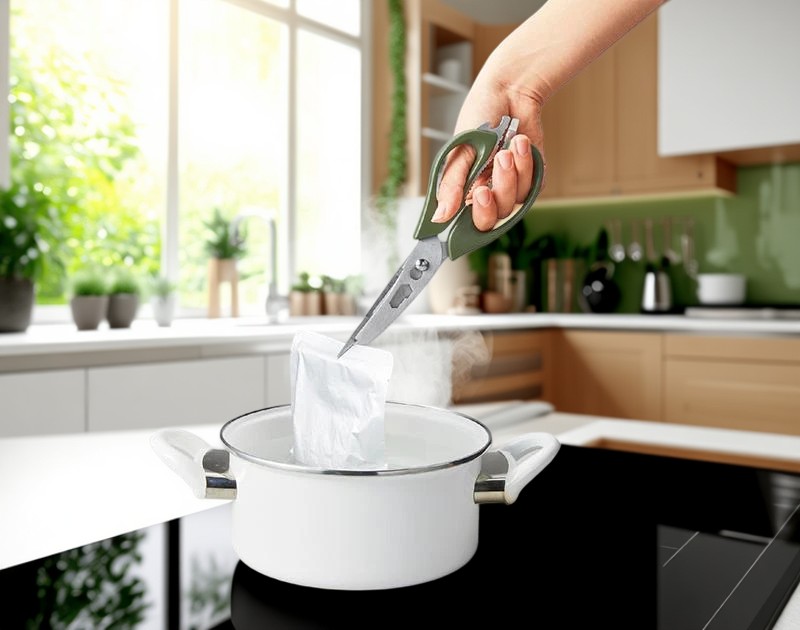
5-in-1 Multifunction Kitchen Shears: Practical Uses, Selection and Care
Kitchen shears are often more useful than people expect. A well-designed pair can cut herbs, trim poultry, open stubborn packaging and handle quick prep jobs that would be awkward with a knife. The 5-in-1 multifunction kitchen shears described here combine several everyday functions in one compact tool: stainless steel cutting blades, a serrated edge, a built-in bottle opener, a nutcracker-style grip for nuts or tight lids, and a blade separation option for wider access during tasks such as fish cleaning.
This guide explains how to evaluate, use and care for multifunction kitchen shears without treating them as a substitute for every knife in the kitchen. The goal is simple: choose a tool that fits your cooking habits, keep it clean, and use each function safely.
Key Takeaways
- 5-in-1 kitchen shears are best for quick cutting, packaging, small prep tasks and occasional utility functions.
- Stainless steel blades are useful in wet kitchen environments, but they still need prompt washing and drying.
- A serrated blade can grip tougher foods or packaging better than a smooth blade.
- Separate blades are easier to clean and can help with wider-access tasks such as cleaning fish.
- Before buying, check comfort, hinge action, cleaning method and whether each built-in function suits your kitchen routine.
What Makes These Kitchen Shears “5-in-1”?
The value of multifunction shears comes from combining several tasks in one hand tool. Based on the stated product features, these shears include high-quality stainless steel blades for cutting, one serrated blade edge for tougher materials, a bottle opener integrated into the handle, a nutcracker function that can also help loosen hard jar lids, and a blade separator option. When separated, the blades may be used independently for certain tasks, such as wider cutting access or fish cleaning.
That does not mean every function should be used with unlimited force. Kitchen shears are precision cutting tools first. The extra features are helpful for convenience, but they work best when used within reasonable household kitchen tasks rather than heavy-duty workshop or outdoor abuse.
Where Multifunction Kitchen Shears Work Best
For home cooks, the strongest reason to keep kitchen shears nearby is speed. Instead of reaching for a knife and cutting board for every small job, shears can make controlled cuts directly over a bowl, pan or plate. They are especially useful when cutting soft herbs, trimming small pieces of meat, portioning cooked foods, snipping noodles, opening vacuum packs or cutting parchment and food packaging.
The serrated edge is useful when the material tends to slip. For example, poultry skin, fish fins or stubborn packaging may be easier to control when one blade can grip the surface. The bottle opener is practical during cooking or serving, while the nutcracker area provides extra leverage for cracking nuts or loosening some tight lids. The blade separation feature is helpful for cleaning because food residue can collect near the pivot.
Feature Comparison and Selection Checklist
Use the checklist below to decide whether a pair of multifunction shears is a good match for your kitchen. It also helps you compare similar products without relying only on appearance.
| Feature | Why It Matters | What to Check Before Buying |
|---|---|---|
| Stainless steel blades | Useful for regular kitchen contact with moisture and food. | Ask how the blades should be washed and dried to reduce corrosion risk. |
| Serrated blade edge | Helps grip tougher or slippery items during cutting. | Check whether the serration suits poultry, fish, herbs or packaging tasks. |
| Built-in bottle opener | Reduces the need for a separate opener during casual food prep. | Confirm the opener position feels safe and stable in your hand. |
| Nutcracker and lid-loosening grip | Adds leverage for nuts or some tight lids. | Use moderate pressure and avoid twisting the tool beyond its intended range. |
| Blade separator option | Makes cleaning easier and allows wider blade access for specific tasks. | Check how the blades separate and lock back together securely. |
| Ergonomic grip | Comfort matters during repetitive cutting. | Make sure the handle fits your hand and does not pinch during use. |
How to Use 5-in-1 Kitchen Shears Safely
Good technique keeps both the food and your hands under control. Hold the shears with a dry grip whenever possible. If cutting raw meat or fish, keep the cutting path clear and avoid forcing the blades through bone unless the product instructions specifically allow that use. For packaging, angle the tips away from your body and cut slowly through thick seams.
- Use the main blades for herbs, food portions, packaging and light trimming.
- Use the serrated side when the food or material slips under a smooth edge.
- Use the bottle opener only on a stable surface or with a secure hold.
- Use the nutcracker area with controlled pressure; do not overextend the handles.
- Separate the blades only when cleaning or when a wider-access task requires it.
If using the separated blade as a small knife, work on a stable cutting surface and keep fingers away from the edge. A separated shear blade is not shaped exactly like a chef’s knife, so it is best for limited utility tasks rather than long chopping sessions.
Cleaning and Care for Longer Service Life
Stainless steel is a practical blade material, but it is not a reason to ignore care. Food acids, salt, moisture and trapped residue can still affect performance over time. After cutting raw meat, poultry or fish, wash the shears promptly with warm water and dish soap. Pay special attention to the hinge area, serrations and any textured parts of the handle.
If the blades separate, clean each blade individually and dry them fully before reassembling. This is especially important after fish cleaning, cutting herbs or working with sticky marinades. Avoid leaving the shears soaking in the sink where they can be damaged by other utensils or create a safety hazard. Store them closed in a drawer organizer, knife block slot or protective sleeve if available.
Comfort, Grip and Everyday Handling
The original description notes ergonomic grips with a soft earthy brown finish, plus a lightweight but durable construction. In real use, handle comfort can be as important as sharpness. A handle that feels fine for one quick cut may become uncomfortable when trimming a full meal’s worth of ingredients. Look for smooth inside edges, adequate finger space and a shape that suits both left- and right-hand use if multiple people will share the tool.
Weight is another practical point. Very heavy shears may feel solid but can tire the hand. Very light shears may be comfortable but should still feel stable at the pivot. Open and close the tool several times if possible. The motion should feel controlled, not loose or gritty.
When to Choose Shears Instead of a Knife
Kitchen shears are not a replacement for proper knife skills, but they are often the better tool for quick, narrow or awkward cuts. Use them when you need control more than long slicing motion. They are helpful for trimming fat, cutting small bunches of herbs, portioning cooked bacon, snipping dried fruit or opening sealed ingredient bags.
Use a knife and cutting board for large vegetables, precise dice, hard squash, bread slicing or tasks requiring long clean cuts. Thinking of shears and knives as complementary tools will help you get better results from both.
Practical FAQ
Can these shears cut meat and fish?
Yes, kitchen shears are commonly used for trimming meat and handling fish preparation. The described serrated edge and blade separation option can help with slippery or wider-access tasks. Avoid cutting through hard bone unless the supplier’s instructions clearly support that use.
Are stainless steel blades rust-proof?
Stainless steel is chosen for kitchen use because it resists rust and corrosion better than many ordinary steels. However, it should still be washed and dried promptly, especially after contact with salt, acids or raw proteins.
Why is a separable blade design useful?
Separated blades are easier to clean around the pivot and can provide wider access for tasks such as fish cleaning. Always reassemble the tool correctly and check that the hinge feels secure before cutting again.
Can the nutcracker feature open every jar lid?
No. It may help loosen some hard lids, but lid size, shape and tightness vary. Use moderate pressure and switch to a dedicated jar opener if the lid requires excessive force.
How should I store multifunction kitchen shears?
Store them clean, dry and closed. A drawer organizer or protective cover helps protect the blades and reduces the chance of accidental cuts when reaching into a drawer.
For most kitchens, 5-in-1 multifunction kitchen shears are valuable because they solve small problems quickly. Choose them for comfortable handling, sensible built-in functions and easy cleaning rather than for novelty alone. With proper use and care, they can become one of the most frequently reached-for tools in everyday food preparation.
