





5 Inch School Scissors: Safe, Practical Guidance for Buyers
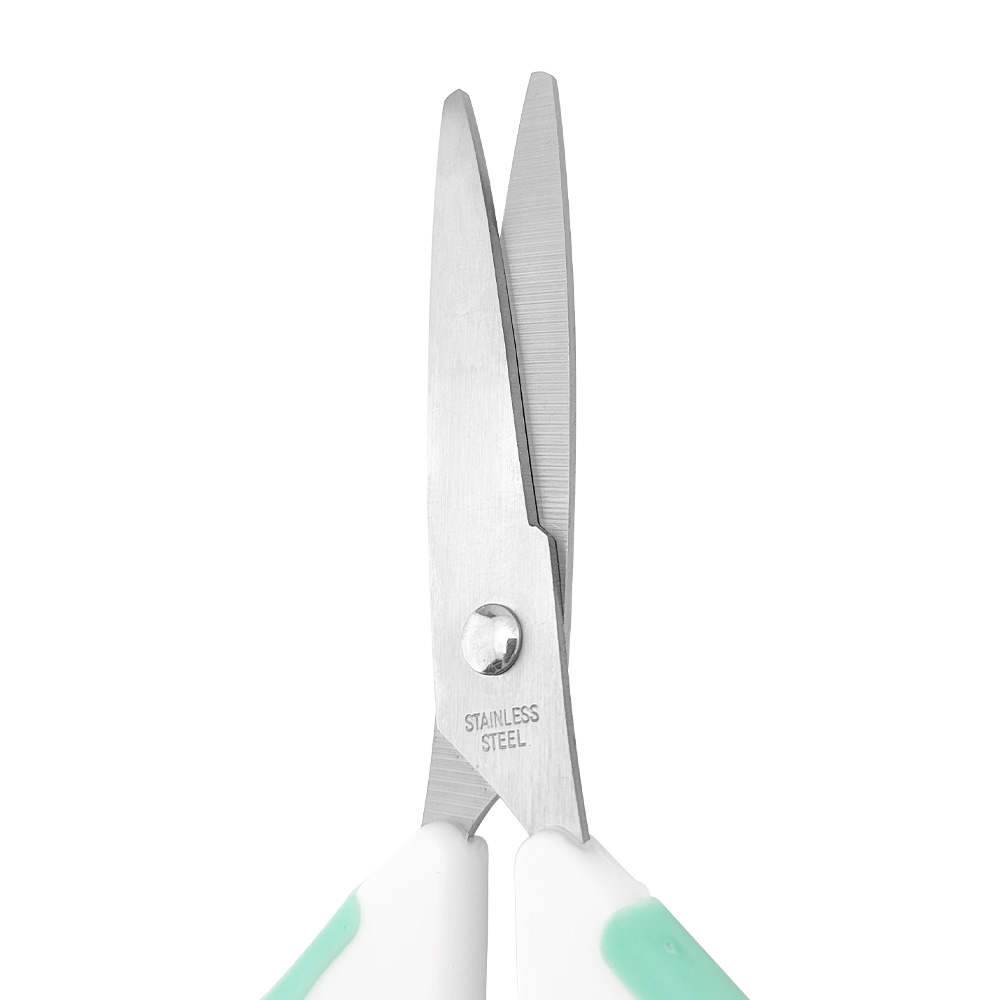
5 inch school scissors are a common choice for young learners because the compact size is easier for small hands to control than larger office or craft scissors. For schools, stationery retailers, education distributors and OEM buyers, the goal is not only to find a low-cost cutting tool. The better question is whether the scissors are comfortable, appropriately designed for children, consistent in production and suitable for the intended sales channel.
The original product description highlights several useful ideas: a 5 inch format, a soft grip concept, use in school and creative activities, and attention to safety for children. This rewritten guide turns those points into a practical sourcing and selection checklist, especially for buyers comparing school scissors from factories or suppliers.
Key Takeaways
- 5 inch school scissors are typically selected for children because the shorter length supports easier handling and control.
- Safety-focused design should be reviewed carefully, including tip shape, blade exposure, handle comfort and age suitability.
- For OEM or wholesale sourcing, buyers should ask suppliers for material details, sample approval, packaging options and quality control procedures.
- Soft grip handles can improve comfort, but buyers should check the actual feel, durability and fit for different hand sizes.
- Do not rely only on product photos; request samples and confirm specifications in writing before placing volume orders.
Why the 5 Inch Size Works for School Use
In a classroom, scissors need to be manageable for repeated cutting tasks such as paper crafts, worksheets, collage projects and basic creative activities. A 5 inch length is compact enough for many younger users while still providing enough blade length for straight cuts and simple curves. This balance is why the size is often used in school supply programs.
For institutional buyers, size consistency matters. If the product is sold as 5 inch school scissors, confirm how the supplier measures the item: total length from tip to handle end, blade length, or packaging label size. Small differences may affect retail shelf presentation, classroom kit compatibility or tender documentation.
Safety Features Buyers Should Evaluate
Children's scissors should be assessed with a safety-first mindset. The original article refers to rounded tips and blunt edges as child-friendly features. These are useful design directions, but buyers should still inspect the actual sample. A rounded tip can reduce risk during classroom handling, while an appropriately finished blade edge may help prevent unnecessary sharp contact outside the cutting zone.
Safety review should include how the scissors open and close, whether the pivot feels stable, and whether there are sharp burrs around the blade, screw or handle. If the scissors are intended for a specific age group, ask the supplier how the design matches that use case. Buyers should also ask what warnings, age guidance or care instructions can be placed on the packaging, without assuming compliance claims that have not been verified.
Grip Comfort and Control
The original description mentions soft grip scissors technology and padded handles. In practice, grip comfort is one of the most important factors for school scissors. Children may use scissors for short, repeated sessions, and poor handle design can cause slipping, pinching or hand fatigue. A soft or cushioned handle can help, but it must be well attached and suitable for the intended users.
When checking samples, test both the finger loops and thumb loop. The openings should feel smooth, without rough plastic edges. Ask whether the handle is designed for right-handed use, left-handed use or general use. If your market includes mixed classroom sets, it may be worth asking whether left-hand options are available. Do not assume this feature unless the supplier confirms it.
Comparison Checklist for Sourcing 5 Inch School Scissors
| Evaluation Point | What to Check | Questions to Ask the Supplier |
|---|---|---|
| Size | Overall length, blade length and handle dimensions | How is the 5 inch measurement defined on the specification sheet? |
| Safety design | Tip shape, blade finish, pivot stability and edge smoothness | Can you provide samples for physical safety review before order confirmation? |
| Grip | Comfort, slip resistance and fit for small hands | What handle materials and color options are available? |
| Cutting performance | Clean cutting on paper and light classroom materials | What materials are the scissors intended to cut? |
| OEM options | Branding, packaging, color matching and labeling | What customization options require confirmation before quotation? |
| Quality control | Consistency across samples and production lots | What inspection steps are used for blade alignment, handle finish and packaging? |
OEM and Wholesale Buying Considerations
For distributors, importers and school supply brands, OEM school scissors sourcing requires more than choosing a design from a catalog. Start by defining the buyer profile: classroom pack, retail blister card, back-to-school set, promotional kit or private-label stationery line. Each channel may require different packaging, labeling, color assortment and carton planning.
Before discussing price, prepare a written specification. Include the 5 inch size requirement, intended users, handle color, grip style, packaging type, branding needs and any market-specific labeling requests. If the supplier cannot confirm a detail, treat it as an open question rather than an assumption. Buyers should ask for product drawings or specification sheets when available, plus pre-production samples for approval.
Commercial details such as MOQ, lead time, tooling, sample fees and payment terms should be requested directly from the supplier. These details can vary by design, packaging and order quantity, so they should not be guessed from a general product article.
Quality Checks Before Placing an Order
A reliable school scissors order depends on repeatable quality. Even if a first sample looks good, buyers should define what will be checked during production and before shipment. Important inspection points include blade alignment, opening and closing smoothness, handle molding quality, tip finishing, surface cleanliness and packaging accuracy.
For school use, cutting performance should be tested on realistic materials. Paper is the basic benchmark, but some classroom projects may involve light craft materials. Buyers should confirm the intended cutting scope with the supplier instead of assuming the scissors can handle fabric, plastic or thicker materials. If a product is marketed for broader craft use, request evidence through samples and agreed specifications.
Packaging and Presentation for School Markets
Packaging affects both safety and sales. Retail packaging may need a clear product view, barcode area, age guidance and brand space. Classroom bulk packs may prioritize easy counting, simple distribution and reduced waste. OEM buyers should ask whether the supplier can support the preferred packaging format and whether artwork templates are available.
Color is also a practical consideration. The original article references a mint green and white colorway as appealing for children. Color can support classroom organization or retail differentiation, but exact color matching should be confirmed with samples or color references. If multiple colors are required in one carton, ask how assortments are controlled during packing.
Practical FAQ
Are 5 inch school scissors suitable for all children?
Not automatically. The 5 inch size is often suitable for younger users, but age, hand size, supervision and cutting task all matter. Buyers should review samples and packaging guidance before selecting a product for a specific group.
What should I ask an OEM school scissors supplier first?
Ask for the specification sheet, available handle colors, packaging options, sample policy, customization process, production lead time and quality inspection method. Confirm all important details in writing.
Do soft grip handles make school scissors safer?
Soft grip handles can improve comfort and control, which may support safer use. However, safety also depends on tip design, blade finish, pivot stability, supervision and correct use.
Can these scissors cut materials other than paper?
The primary school use is usually paper and light classroom craft work. If you need cutting for fabric, plastic or thicker materials, ask the supplier to confirm the intended use and provide test samples.
How can buyers avoid quality problems in bulk orders?
Approve samples, write a clear specification, confirm packaging, define inspection points and compare production goods against the approved sample before shipment.
Final Selection Advice
Choosing 5 inch school scissors is a practical decision that should balance size, comfort, safety and supply reliability. For parents or educators, the best approach is to check whether the scissors fit the child’s hand and cut paper smoothly under supervision. For wholesale and OEM buyers, the stronger approach is to document every requirement, test real samples and ask the supplier clear questions before committing to production. A simple product can still create problems if size, grip, packaging or quality standards are unclear, so careful selection at the start helps protect both users and buyers.
