




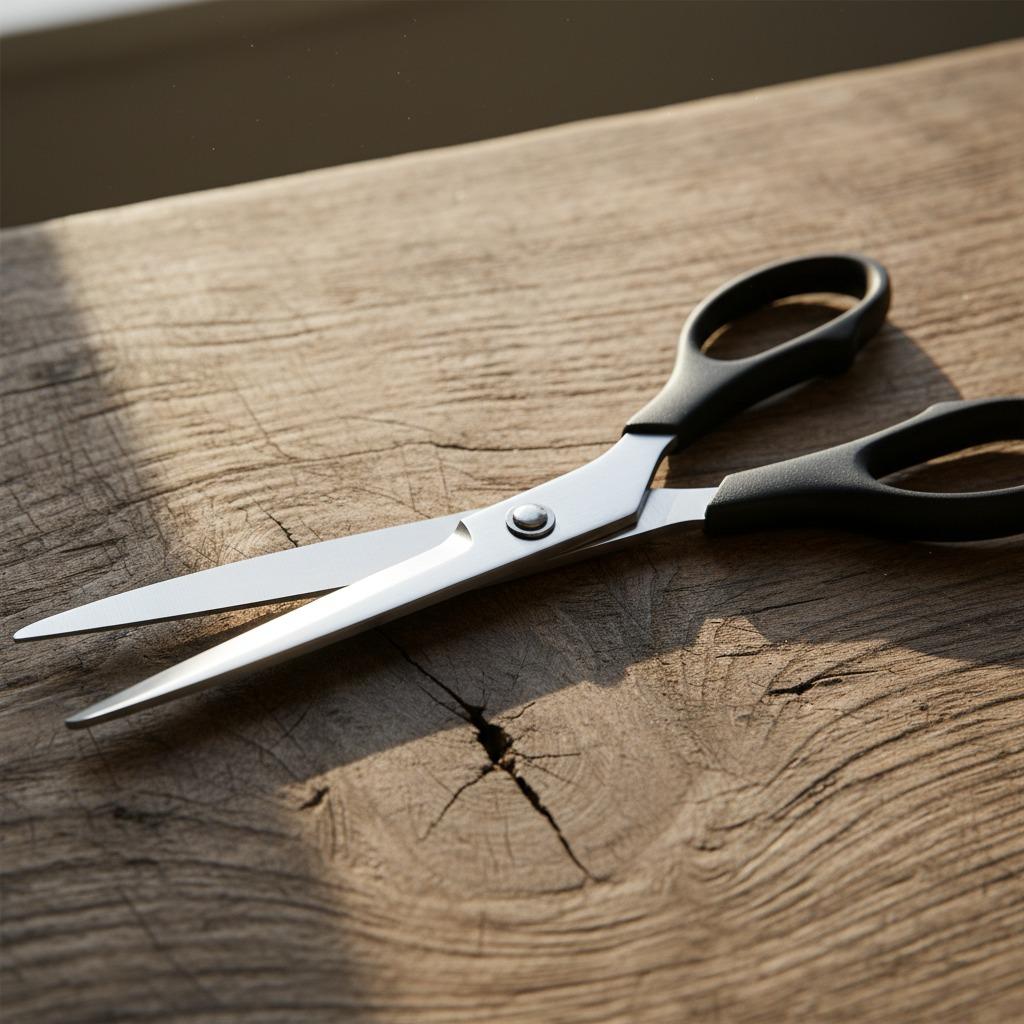
5 Signs Your Office Scissors Are Becoming Dull
Office scissors are used for small but frequent tasks: trimming paper, opening envelopes, cutting labels, preparing presentation materials, and removing light packaging. Because these tasks feel routine, a dull pair often goes unnoticed until it starts wasting time or damaging materials. The good news is that dullness is easy to identify if you know what to look for.
This guide explains five practical signs that your office scissors are losing their edge, how to test them, and when cleaning, sharpening, or replacement makes the most sense.

Key Takeaways
- Dull scissors usually tear, fold, or crush paper instead of making a clean cut.
- Extra hand pressure, slipping blades, and visible nicks are warning signs.
- Residue from tape or adhesive can feel like dullness, so clean before you replace.
- For office purchasing, match scissors to the main task: paper, labels, packaging, or shared desk use.
- If cutting performance does not improve after cleaning or basic maintenance, replacement may be the safer and more efficient option.
1. Paper Edges Look Jagged, Frayed, or Torn
The simplest test is to cut a single sheet of ordinary office paper. Sharp scissors should start cutting near the pivot and continue smoothly toward the tips. If the paper tears before the blades close, or if the edge looks fuzzy and uneven, the cutting edge may be rounded or damaged.
This matters when preparing handouts, notices, name tags, product labels, or presentation materials. A rough cut can make a document look careless even when the content is correct. If the same paper cuts cleanly with another pair of scissors, the problem is likely the tool rather than the paper.
2. You Need More Force Than Before
When office scissors become dull, users often compensate without noticing. They open the blades wider, squeeze harder, or cut in short repeated bites. This may seem minor, but repeated extra force can cause hand fatigue during mailroom, reception, admin, or classroom tasks.
In a shared office, one dull pair can slow down many people. If several users complain that a pair feels stiff, weak, or uncomfortable, check both the blade edge and the pivot screw. A loose pivot can let the blades separate; an overly tight pivot can make cutting feel heavy. Either condition can reduce cutting performance even if the edge is not severely worn.
3. The Blades Chew or Fold the Material
A clear sign of dullness is when the scissors push paper forward instead of cutting it. The material may fold between the blades, wrinkle near the cut line, or show small crushed marks. This is often described as scissors “chewing” the paper.
Chewing is especially common on thin paper, receipts, lightweight labels, and plastic film. It can happen because the cutting edges are dull, but it can also happen when adhesive residue prevents the blades from closing cleanly. Before deciding the scissors are worn out, wipe the blades carefully with a suitable cleaner, dry them, and test again on plain paper.
4. You Can See Nicks, Burrs, or Shiny Flat Spots
Under good light, look closely along the cutting edge. A sharp blade usually has a defined bevel. A worn edge may show small chips, dents, shiny flat areas, or a rounded line where the edge should be crisp. These marks can appear after cutting materials that are too hard for general office scissors, such as thick plastic ties, wire, staples, or heavy cardboard.
Small residue marks can be cleaned. Physical damage is different. Nicks and burrs interrupt the cutting path, so the scissors may catch at the same point every time. If a blade has a visible damaged section, simple cleaning will not restore a smooth cut.
5. Layered or Lightweight Materials Slip
Many office users first notice dullness when scissors struggle with two or three sheets that used to cut easily. The blades may slide over the material, jam halfway, or leave uncut fibers near the tip. Lightweight materials can also expose dullness because they need a clean edge and firm blade alignment.
If the scissors only fail at the very tip, the tips may be rounded, bent, or misaligned. If they fail throughout the full blade length, the edge or pivot may need attention. Do not force the cut; forcing dull or misaligned scissors can worsen blade damage and increase the chance of slipping.
Quick Checklist: Sharp vs. Dull Office Scissors
| Check | Sharp Office Scissors | Dull or Problem Scissors | What to Do |
|---|---|---|---|
| Single-sheet paper test | Clean, straight cut | Frayed or torn edge | Clean blades, then retest |
| Force needed | Light pressure | Hard squeezing or repeated cuts | Inspect pivot and edge |
| Blade movement | Smooth opening and closing | Loose, stiff, or uneven movement | Check pivot screw if adjustable |
| Visual edge | Consistent bevel | Nicks, burrs, shiny flat spots | Sharpen or replace |
| Layered paper | Cuts without slipping | Slides, folds, or jams | Use a better-suited pair |
Clean, Sharpen, or Replace?
Not every poor cut means the scissors are finished. Use a simple sequence before replacing them:
- Clean first: Remove tape glue, paper dust, and residue from the blades. Dry the scissors fully after cleaning.
- Check the pivot: If the blades feel loose or do not meet evenly, the pivot may be the cause.
- Test on plain paper: Avoid testing on tape, coated labels, or cardboard because these can hide the real issue.
- Consider sharpening: If the blades are structurally sound but dull, sharpening may help. Use a proper sharpener or professional service when accuracy matters.
- Replace when needed: Replace scissors if the blades are chipped, bent, badly misaligned, uncomfortable, or still cut poorly after maintenance.
For general office environments, replacement is often practical when labor time, inconsistent results, or user frustration cost more than a new pair. However, specialty scissors may justify professional sharpening.
How to Choose Better Office Scissors
When selecting office scissors for a workplace, focus on the tasks they will actually handle. A reception desk may need compact scissors for envelopes and paper. A shipping area may need stronger scissors for labels, light packaging, and tape. A design or education setting may need clean cutting for paper projects.
Before buying in quantity, ask suppliers clear questions: What materials are the scissors intended to cut? Are they suitable for left-handed and right-handed users? Is the handle comfortable for repeated daily use? Are replacement or care recommendations provided? What packaging options are available for office, retail, or wholesale purchasing? If you are sourcing for business use, request samples and test them with your own paper, labels, and packaging materials rather than relying only on product photos.
Care Tips to Keep Office Scissors Cutting Longer
- Use office scissors for paper and light office materials, not wire, staples, or hard plastic.
- Keep at least one dedicated pair for tape or adhesive labels to protect general-use scissors.
- Wipe blades after cutting sticky materials.
- Store scissors closed in a drawer, cup, or tool station to protect the tips.
- Do not drop scissors, as impact can bend the tips or affect alignment.
- Label shared scissors by use area, such as “paper only” or “packing desk.”
FAQ
How can I quickly tell if office scissors are dull?
Cut a single sheet of standard office paper from the base of the blades to the tip. If the cut tears, folds, or stops halfway, the scissors may be dull, dirty, or misaligned.
Can tape residue make scissors feel dull?
Yes. Adhesive residue can stop the blades from sliding cleanly. Clean and dry the blades before judging whether the edge is worn.
Should office scissors be sharpened or replaced?
For basic office scissors, replacement is often easier if the blades are nicked, bent, or uncomfortable. Sharpening may be worthwhile for higher-quality or specialty scissors.
How often should a workplace replace shared scissors?
There is no universal schedule. Replace them when cleaning and normal adjustment no longer restore clean cutting, or when users need extra force for simple tasks.
What should buyers test before ordering office scissors in bulk?
Test cutting performance, handle comfort, blade alignment, packaging, and suitability for your real daily materials. Ask the supplier about intended use and care guidance before placing a larger order.
