




6 Inch Household Scissors: Practical Buying Guide for Everyday Cutting
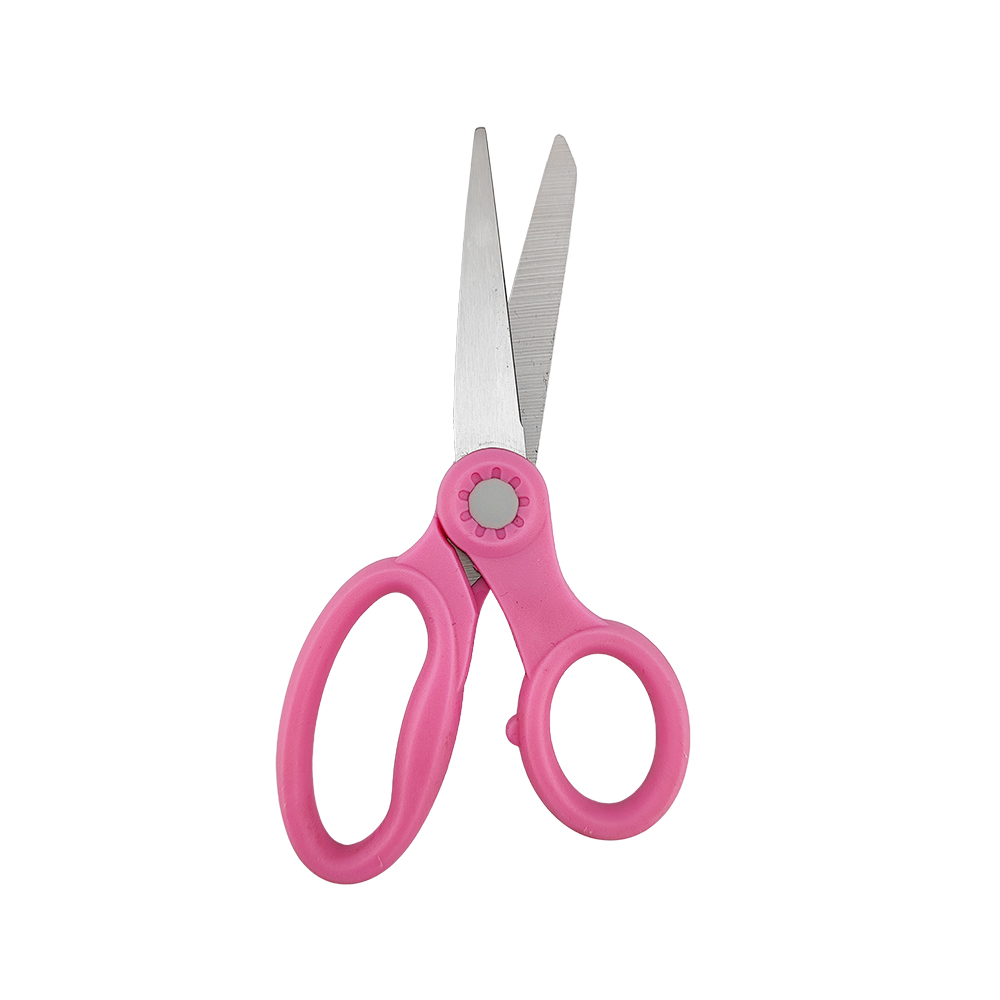
Key Takeaways: A 6 inch household scissors design is compact enough for detailed tasks, yet practical for daily cutting around the home, office, craft room, or light workshop. Buyers should compare blade performance, handle comfort, opening action, packaging options, and supplier communication before choosing a product or requesting OEM production. The original article identifies a pink-handled 6 inch household scissors product with stainless steel blades and an ergonomic handle, suitable for cutting paper, fabric, threads, herbs, and lightweight materials.
What Makes 6 Inch Household Scissors Useful?
Six-inch household scissors sit between small detail scissors and larger utility shears. That middle size is why they are often chosen for mixed daily tasks: opening envelopes, trimming paper, cutting loose threads, preparing lightweight craft materials, or snipping herbs in the kitchen. They are easier to control than longer scissors when the user needs short, accurate cuts.
For retailers, distributors, and private-label buyers, the size also has commercial appeal. A compact tool can fit into home organization sets, craft kits, stationery assortments, kitchen accessory ranges, and general household product lines. However, a simple-looking pair of scissors still needs careful evaluation. Poor blade alignment, uncomfortable handles, or inconsistent finishing can quickly lead to customer complaints.
Product Features Explicitly Shown in the Source
The original product description highlights several useful facts that can guide the rewrite without adding unsupported claims. The scissors are described as 6 inch household scissors with stainless steel blades and a vibrant pink ergonomic handle. The source also says they are intended for clean cuts on paper, fabric, threads, herbs, and lightweight materials. It states that the handle is suitable for both left- and right-handed users and is designed for comfort during extended sessions.
- Product type: 6 inch household scissors.
- Blade material stated in the source: stainless steel.
- Handle description stated in the source: pink ergonomic handle.
- Suggested uses: paper, fabric, thread, herbs, and lightweight materials.
- User orientation stated in the source: suitable for left- and right-handed users.
These points are helpful, but B2B buyers should still verify details directly with the supplier. For example, stainless steel can refer to many grades and finishes, so the exact grade, hardness, edge treatment, and corrosion-resistance expectations should be confirmed before purchase.
How to Evaluate Cutting Performance
For household scissors, performance is not only about sharpness. A good pair should open and close smoothly, cut from the base to the tip, and maintain alignment after repeated use. Buyers can request samples and test them on the materials most relevant to their market. If the product is sold for general household use, testing paper, thin cardboard, thread, lightweight fabric, and kitchen herbs gives a more realistic picture than cutting one material only.
Pay attention to the pivot area as well. A loose pivot may cause material to fold instead of cut, while an overly tight pivot can create hand fatigue. The original article mentions smooth action and reduced hand strain, but bulk buyers should confirm this through sample testing and define acceptable tolerances with the supplier.
Handle Comfort and User Experience
The pink ergonomic handle is a key visual and functional detail. For consumer-facing products, color can help a product stand out, but comfort matters more in long-term use. Check whether the finger loops fit the target users, whether the inner edges feel smooth, and whether the grip remains stable when hands are slightly wet or oily.
If the scissors are promoted for both left- and right-handed users, sample testing should include people from both groups. Some handles look symmetrical but still feel different depending on hand orientation. For wholesale or OEM programs, it is useful to ask whether handle colors, logo placement, and packaging can be customized, while also asking what design files, approval samples, and production lead times are required.
Comparison Checklist for Buyers
| Evaluation Point | What to Check | Questions to Ask a Supplier |
|---|---|---|
| Blade performance | Clean cuts on paper, thread, fabric, herbs, and lightweight materials | What blade material, grade, hardness, and edge process are used? |
| Size and control | 6 inch length, tip control, maneuverability for detail work | Can you provide full product dimensions and weight? |
| Handle comfort | Ergonomic feel, smooth inner edges, left- and right-hand usability | Can we review samples with our target users before confirming? |
| Finish consistency | Blade alignment, burrs, pivot smoothness, color consistency | What quality checks are performed before packing? |
| OEM options | Color, logo, packaging, barcode, instruction insert | Which customization options are available and what are the requirements? |
| Commercial terms | MOQ, lead time, packing method, sample policy | What are the current MOQ, sample cost, lead time, and export packing details? |
OEM and Wholesale Sourcing Guidance
When sourcing from an OEM scissors factory or household scissors manufacturer, avoid relying only on product photos. A photo can show handle color and general shape, but it cannot prove cutting feel, blade alignment, packaging strength, or long-term consistency. Start with a written specification sheet and request pre-production samples if customization is involved.
Commercial buyers should ask practical questions before placing an order: What materials are used for the blade and handle? Are there different blade finishes available? Can the factory match a Pantone color for the handle? What logo methods are possible? How are scissors protected during shipping? What inspection standard is used for appearance, function, and packing?
Do not assume certifications, testing results, or compliance coverage unless the supplier provides current documents that match the product and destination market. If the scissors are intended for sale in a regulated market or for use by children, ask what testing is appropriate and consult local requirements.
Use and Care Tips for End Users
For consumers, 6 inch household scissors last longer when they are used within their intended range. Cutting thick plastic, wire, or hard packaging can damage the edge or loosen the pivot if the scissors are designed for lighter household materials. Keep one pair for kitchen or herb use and another for paper and craft work if hygiene and edge quality are priorities.
- Wipe blades dry after cutting herbs or damp materials.
- Store scissors closed and away from children.
- Avoid using household scissors as a screwdriver, pry tool, or wire cutter.
- Clean adhesive residue from the blades after cutting tape or labels.
- Replace scissors if the blades become misaligned or the pivot feels unsafe.
FAQ
Are 6 inch household scissors suitable for fabric?
They can be suitable for lightweight fabric, as stated in the original description. For heavy fabric or professional tailoring, buyers should test samples or choose scissors designed for that specific use.
Can these scissors be used in the kitchen?
The source mentions snipping herbs, which is a light kitchen task. For raw meat, bones, or heavy food preparation, dedicated kitchen shears may be more appropriate.
What should OEM buyers confirm first?
Confirm blade material details, handle material, exact dimensions, sample availability, customization options, MOQ, lead time, packaging method, and quality inspection process.
Does a stainless steel blade mean it will never rust?
No. Stainless steel can resist corrosion, but performance depends on grade, finish, care, and environment. Buyers should ask the supplier for the exact material details and care guidance.
Why choose a pink ergonomic handle?
A pink handle can support product differentiation, while the ergonomic shape is intended to improve comfort. Buyers should still test grip comfort with their target users before bulk ordering.
Final Buying Advice
A well-chosen 6 inch household scissors product should feel controlled, comfortable, and reliable across common light-duty tasks. For B2B sourcing, the best approach is to combine sample testing with clear written specifications and supplier questions. The pink ergonomic model described in the original article offers a compact format, stainless steel blades, and daily-use versatility, but final purchasing decisions should be based on verified specifications, sample performance, and the needs of the target market.
