




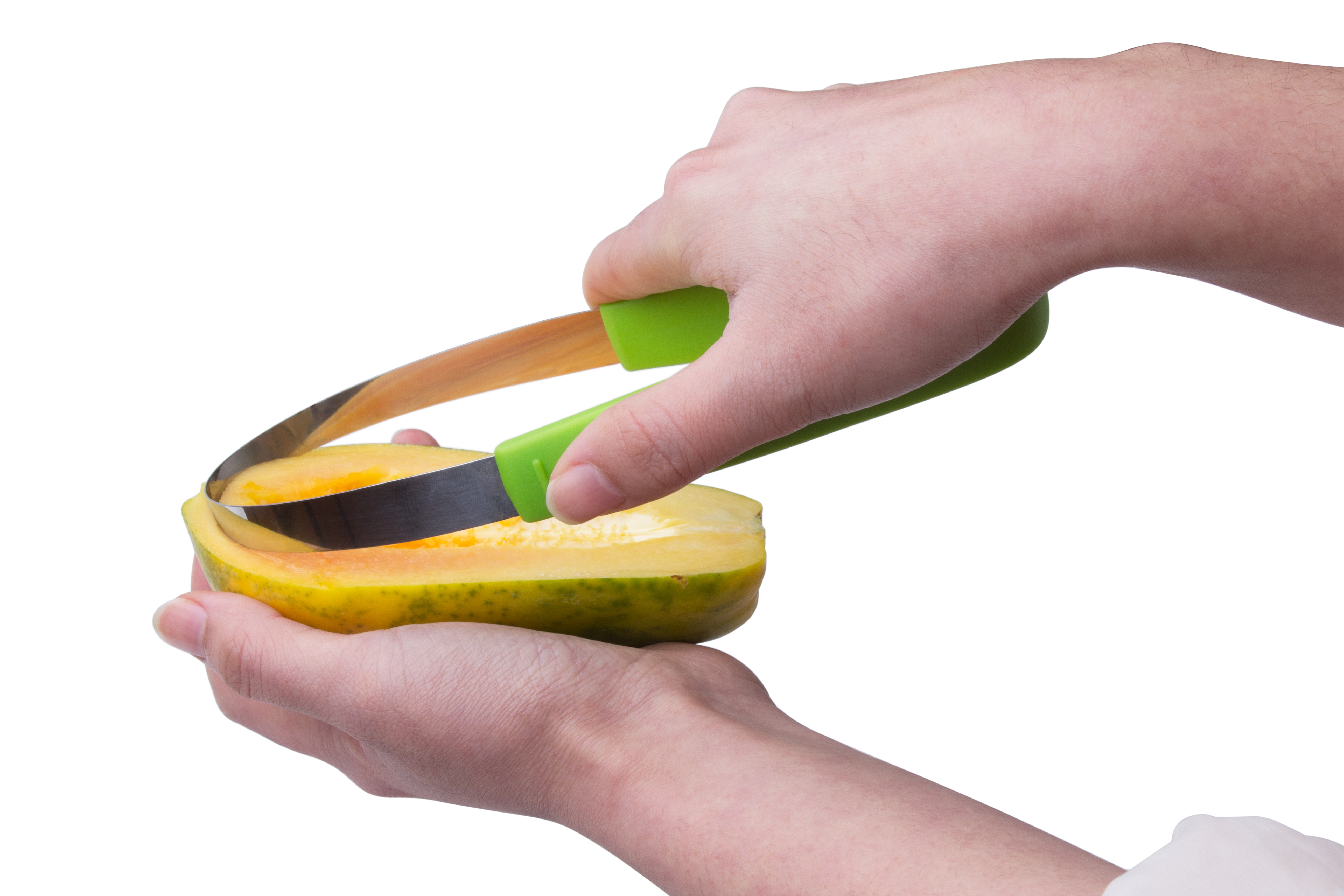
Advancing Fruit Scoop Manufacturing with Innovative Designs
Fruit scoops are simple kitchen tools, but sourcing them well requires more than choosing a pleasing shape. For retailers, importers, promotional product buyers, and kitchenware brands, the right fruit scoop should be practical for the end user, efficient to pack, consistent in production, and suitable for the target sales channel. The original purpose remains clear: a fruit scoop helps remove fruit flesh neatly and quickly, serving both home kitchens and professional food preparation environments.
Today, many buyers are also interested in nesting fruit scoop designs because they can stack compactly and reduce storage space. This article explains how to evaluate fruit scoop manufacturing, what to ask a nesting fruit scoop factory, and how to compare product options without relying on unverified claims.
Key Takeaways
- Fruit scoop sourcing should balance usability, durability, packaging efficiency, and production consistency.
- Nesting designs can improve storage and display efficiency, but buyers should verify fit, tolerance, and ease of separation.
- Material, handle design, edge shape, cleaning method, and packaging should be confirmed directly with the supplier.
- For OEM or wholesale orders, request samples and ask about quality control checkpoints before confirming production.
Understanding Fruit Scoop Manufacturing
Fruit scoop manufacturing focuses on producing tools that help users extract or portion fruit with control. Common use cases include preparing melon, avocado, citrus, and other soft fruits, depending on the scoop shape and edge design. A good product should feel stable in the hand, work without excessive force, and be easy to clean after repeated use.
From a sourcing perspective, buyers should separate confirmed product details from assumptions. Some fruit scoops may use metal heads, plastic handles, or one-piece molded construction, but the exact material and finish should always be verified. If a supplier describes a scoop as stainless steel, BPA-free, dishwasher-safe, or wear-resistant, ask for the supporting specifications, test reports, or product documentation available for that exact item and order.
The Role of a Nesting Fruit Scoop Factory
A nesting fruit scoop factory specializes in designs that fit together compactly. This matters for several reasons: nested tools can take less warehouse space, may ship more efficiently, and can be easier for consumers to store in a drawer. For retailers, nesting can also support cleaner shelf presentation or bundled sets.
However, nesting design creates additional manufacturing considerations. If the tolerance is too tight, the scoops may stick together and frustrate users. If the fit is too loose, the set may rattle, shift in packaging, or feel poorly made. Buyers should request pre-production samples and test whether each scoop can be removed easily, stacked repeatedly, and packed without deformation.
Product Design Factors Buyers Should Compare
Not every market needs the same fruit scoop. A budget retail line, a professional kitchenware range, and an OEM gift set may require different priorities. Before choosing a supplier, define the intended user, expected price position, packaging format, and sales region. Then compare design choices in a structured way.
| Selection point | What to check | Questions to ask the supplier |
|---|---|---|
| Scoop shape | Depth, edge curve, and suitability for target fruits | Which fruits was this design tested with, and can samples be provided? |
| Nesting fit | Stacking stability and ease of separation | What tolerance controls are used during production? |
| Handle comfort | Grip size, balance, and slip resistance during use | Are handle colors, textures, or branding options available? |
| Material claims | Head and handle material, finish, and cleaning guidance | What documentation supports any material or food-contact claims? |
| Packaging | Retail display, protection in transit, barcode and labeling needs | Can packaging be customized, and what information is required from the buyer? |
Quality Control in Fruit Scoop Production
High-quality fruit scoops are usually the result of clear specifications and consistent inspection, not vague promises. Buyers should define measurable requirements before placing an order. These may include dimensions, weight tolerance, surface finish, edge smoothness, handle alignment, color matching, nesting performance, and packaging condition.
For OEM or wholesale sourcing, discuss where inspections happen in the production process. Useful checkpoints may include incoming material checks, first-piece confirmation, in-process inspection, finished goods review, and final packaging inspection. If a supplier offers dishwasher-safe, ergonomic, serrated-edge, or other functional claims, confirm whether those features apply to the exact model being ordered and whether any relevant test data is available.
OEM, Wholesale, and Packaging Considerations
Kitchen tool buyers often need more than the product itself. They may need custom colors, private-label packaging, carton markings, instruction inserts, or marketplace-ready barcodes. These requirements should be discussed early because they can affect lead time, artwork approval, and inspection criteria.
- Prepare a product brief with target market, estimated order quantity, packaging type, and branding needs.
- Request existing product options first, then discuss custom tooling only if needed.
- Ask for physical samples to evaluate grip, balance, nesting, and cleaning convenience.
- Confirm what commercial details are available, such as MOQ, sample cost, production lead time, and payment terms.
- Review packaging durability for shipping, not only appearance for retail display.
A reliable sourcing process should also include written confirmation of approved samples and artwork. This helps reduce misunderstanding when a product moves from sampling to mass production.
Innovation Without Overcomplication
Innovation in fruit scoop manufacturing does not always mean adding more features. In many cases, the best improvement is a more comfortable handle, cleaner edge geometry, better stacking performance, or packaging that reduces damage during transit. A multifunctional feature, such as a cutting edge or serrated section, may be useful for some markets, but it should not compromise safety, cleaning, or ease of use.
For brands and distributors, the strongest product choice is usually the one that matches the end user’s real habits. Professional kitchens may prioritize repeated use and fast cleaning. Home users may care more about drawer storage and comfortable handling. Promotional buyers may focus on branding area and packaging. Define the priority before selecting a fruit scoop supplier.
Practical FAQ
What should I ask a fruit scoop supplier before ordering?
Ask about available materials, dimensions, sample options, packaging choices, customization, MOQ, lead time, inspection process, and documentation for any safety or performance claims made for the product.
Why are nesting fruit scoops useful?
Nesting fruit scoops can save storage space and simplify packing. They are especially useful for bundled sets, compact kitchen drawers, and retail packaging where space efficiency matters.
How can I judge fruit scoop quality from a sample?
Check the scoop edge, surface finish, handle comfort, balance, nesting fit, ease of cleaning, and packaging condition. Test it with the types of fruit your customers are most likely to prepare.
Can fruit scoops be customized for private label orders?
Many suppliers may offer branding, color, or packaging options, but capabilities vary. Buyers should request the supplier’s current customization options and confirm costs, MOQ, artwork requirements, and lead time.
Should I choose a standard design or develop an OEM design?
A standard design is often faster and lower risk for first orders. OEM development may be appropriate when you need a unique shape, brand-specific packaging, or a differentiated product range, but it requires more sampling and specification control.
