




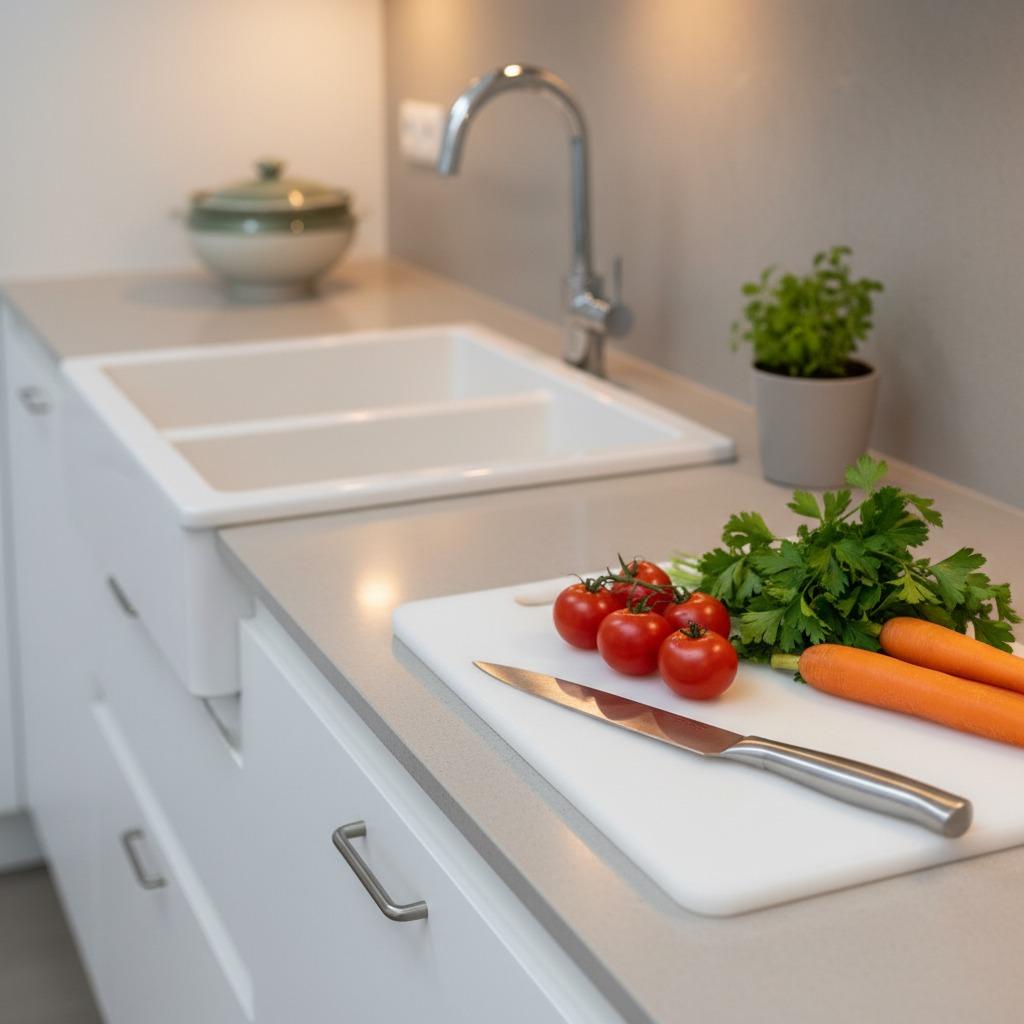
Are Plastic Cutting Boards Still the Best Choice?
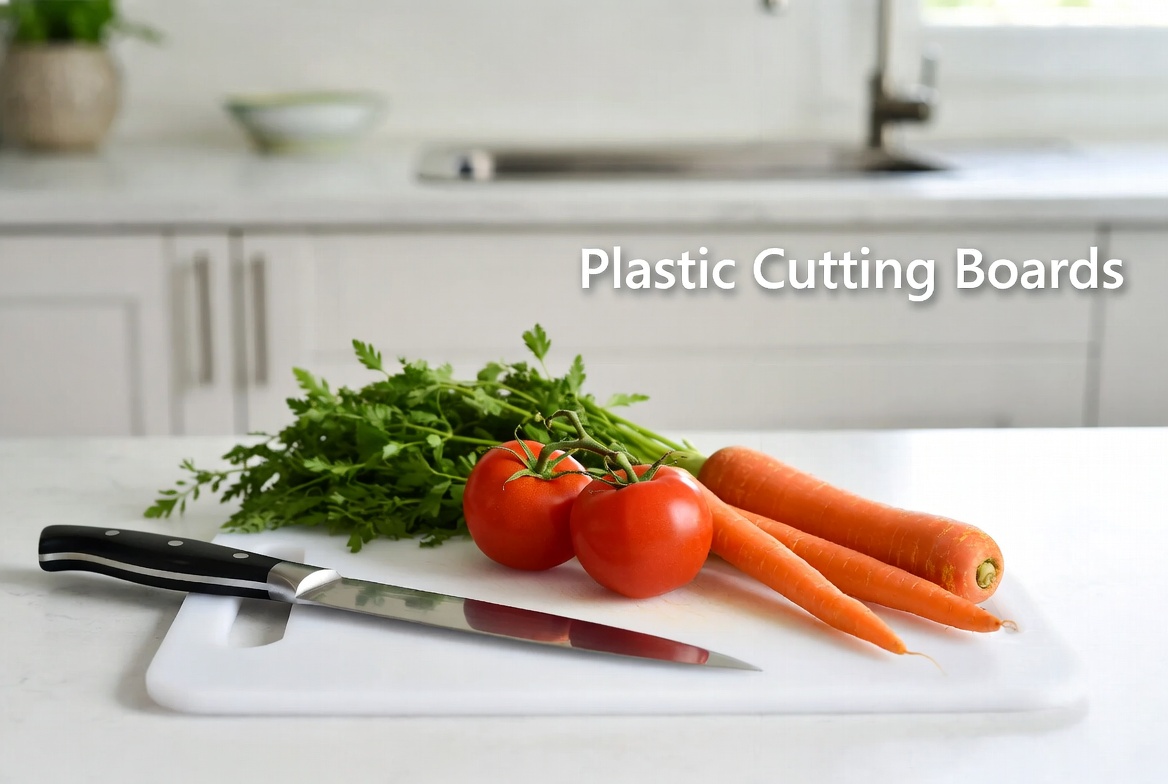
Plastic cutting boards have been common in home and commercial kitchens for decades because they are lightweight, affordable, easy to store, and often suitable for dishwasher cleaning. They also support simple color-coding systems, such as using one board for raw meat and another for vegetables. Those advantages are still real, but they do not automatically make plastic the best choice for every cook or every task.
The better question is: what do you need the board to do? A board used for quick meal prep has different requirements from one used in a restaurant line, a small catering business, or a household that cooks raw poultry several times a week. Hygiene, knife wear, maintenance time, replacement frequency, and environmental concerns all matter. This guide explains where plastic cutting boards still make sense, where they fall short, and how to choose and care for the right board.
Key Takeaways
- Plastic cutting boards are convenient, lightweight, and useful for color-coded food prep.
- Deep knife grooves are the main concern because they can hold moisture and food residue.
- Replace a plastic board when it is heavily scarred, warped, stained, or difficult to clean.
- Wood, bamboo, rubber, and composite boards can be better choices depending on your habits.
- No cutting board material is hygienic without proper washing, drying, and task separation.
Why Plastic Cutting Boards Became Popular
The appeal of plastic is practical. A plastic board is usually lighter than a thick wooden board, easy to move from counter to sink, and simple to store in a cabinet or on a rack. For busy kitchens, the ability to assign different board colors to different food categories can reduce the chance of cross-contamination when the system is followed consistently.
Plastic boards also start with a non-porous surface. When the board is new and smooth, it is easy to wash away visible food residue. Many home cooks prefer plastic because it does not require oiling, does not need the same moisture control as wood, and can often be cleaned more aggressively. For anyone who wants a low-maintenance secondary board, plastic can still be a reasonable option.
The Main Drawback: Knife Grooves and Wear
The biggest issue is not how a plastic cutting board performs on day one. It is how it performs after repeated chopping, slicing, and washing. Over time, knives create grooves and rough patches. These cuts can trap juices, small food particles, and moisture. Once a board is deeply scored, cleaning becomes harder, even if the surface looks acceptable from a distance.
Worn plastic boards may also shed small particles as the surface breaks down. This is one reason some buyers are reconsidering plastic as their everyday board. Another concern is knife performance. A board that is too hard, too rough, or heavily scarred can make cutting feel less smooth and may contribute to faster edge wear, depending on the knife and the board surface.
Plastic vs. Wood, Bamboo, Rubber, and Composite Boards
No single material is best for every kitchen. Use the comparison below as a practical checklist before buying or replacing a board.
| Material | Strengths | Limitations | Best Use |
|---|---|---|---|
| Plastic | Lightweight, affordable, easy to color-code, often dishwasher-friendly | Knife grooves can hold residue; may need frequent replacement when scarred | Raw meat prep, quick tasks, secondary boards |
| Wood | Stable cutting feel, generally gentle on knives, long service life with care | Needs hand washing, drying, and periodic oiling | Daily vegetable prep, bread, general home cooking |
| Bamboo | Light, renewable material source, usually less expensive than premium hardwood | Can feel harder under the knife; quality depends on construction | Light to moderate prep, serving and simple chopping |
| Rubber | Good grip, comfortable cutting surface, used by some serious cooks | Can be heavier and may cost more than basic plastic | Knife-focused prep and frequent chopping |
| Composite | Durable, low-maintenance, available in many formats | Performance varies by material and construction | Busy households seeking a durable alternative |
When Plastic Is Still a Smart Choice
Plastic cutting boards still have a place, especially when a kitchen needs a simple system for separating food types. A set of boards dedicated to raw poultry, seafood, cooked food, and produce can be useful, provided each board is cleaned properly and replaced when worn. Plastic is also practical for messy prep tasks, such as trimming meat or cutting foods that stain strongly.
For small kitchens, plastic’s low weight is an advantage. It is easy to rinse quickly, move around, and store vertically so it can dry. For commercial or food-service use, buyers should not rely on assumptions. Ask the supplier which material is used, whether the board is intended for dishwasher cleaning, what temperatures it can tolerate, and what replacement guidance they recommend for heavy-use environments.
How to Choose a Plastic Cutting Board
If you decide plastic is the right choice, focus on practical details rather than marketing claims. A good board should sit flat, provide enough working space, and feel stable under the knife. Very thin boards can flex, slide, or warp more easily, while boards that are too small may increase mess and make cutting unsafe.
- Size: Choose a board large enough for your usual ingredients, not just your storage space.
- Stability: Look for a flat surface and use a damp towel or non-slip mat underneath if needed.
- Color system: If using multiple boards, assign each color to a specific food category and keep the rule consistent.
- Surface condition: Avoid continuing to use boards with deep cuts, rough areas, or persistent odors.
- Cleaning guidance: Check the supplier’s care instructions before using high heat or a dishwasher.
Cleaning, Sanitizing, and Replacement Tips
Good board hygiene is a habit, not a feature built into the material. Wash the board soon after use with hot water and dish soap, paying attention to the edges and any textured areas. After washing, dry it upright or in a rack so moisture does not remain trapped underneath. If a board has been used for raw meat, poultry, or seafood, clean it immediately before it contacts other foods.
Replace a plastic cutting board when it shows deep scoring, discoloration that does not wash away, warping, cracks, or a smell that remains after cleaning. Heavy-use kitchens should inspect boards on a schedule rather than waiting until a board looks severely damaged. Home cooks can do a quick check each month: run your fingers over the surface, look for dark grooves, and confirm the board still lies flat.
Are Plastic Cutting Boards the Best Overall?
Plastic cutting boards are still useful, but they are no longer the obvious best choice for every kitchen. Their strongest advantages are convenience, low maintenance, light weight, and food-category separation. Their weaknesses appear with age: grooves, staining, odor retention, and eventual replacement.
For many households, the best setup is not one board but a small system. Use a sturdy wood or other comfortable board for daily prep, and keep one or more plastic boards for raw proteins or messy tasks. This approach gives you the convenience of plastic without depending on a worn board for all food preparation.
Practical FAQ
Are plastic cutting boards safe to use?
Yes, they can be safe when kept clean, dried properly, and replaced once heavily scarred. The condition of the board matters more than the label alone.
Can I put a plastic cutting board in the dishwasher?
Many plastic boards are marketed as dishwasher-safe, but not all are suitable for the same heat or cycle conditions. Follow the supplier’s care instructions and stop using boards that warp.
How often should I replace a plastic cutting board?
There is no universal timeline. Replace it when grooves become deep, stains or odors persist, the board cracks, or it no longer sits flat.
Should I use separate boards for meat and vegetables?
Yes. Separate boards or a clear color-coding system can reduce cross-contamination risk, especially when preparing raw meat, poultry, or seafood.
Is wood better than plastic?
Wood can be a better everyday cutting surface for many home cooks, especially when properly washed, dried, and maintained. Plastic remains useful for specific tasks and easy separation.
