




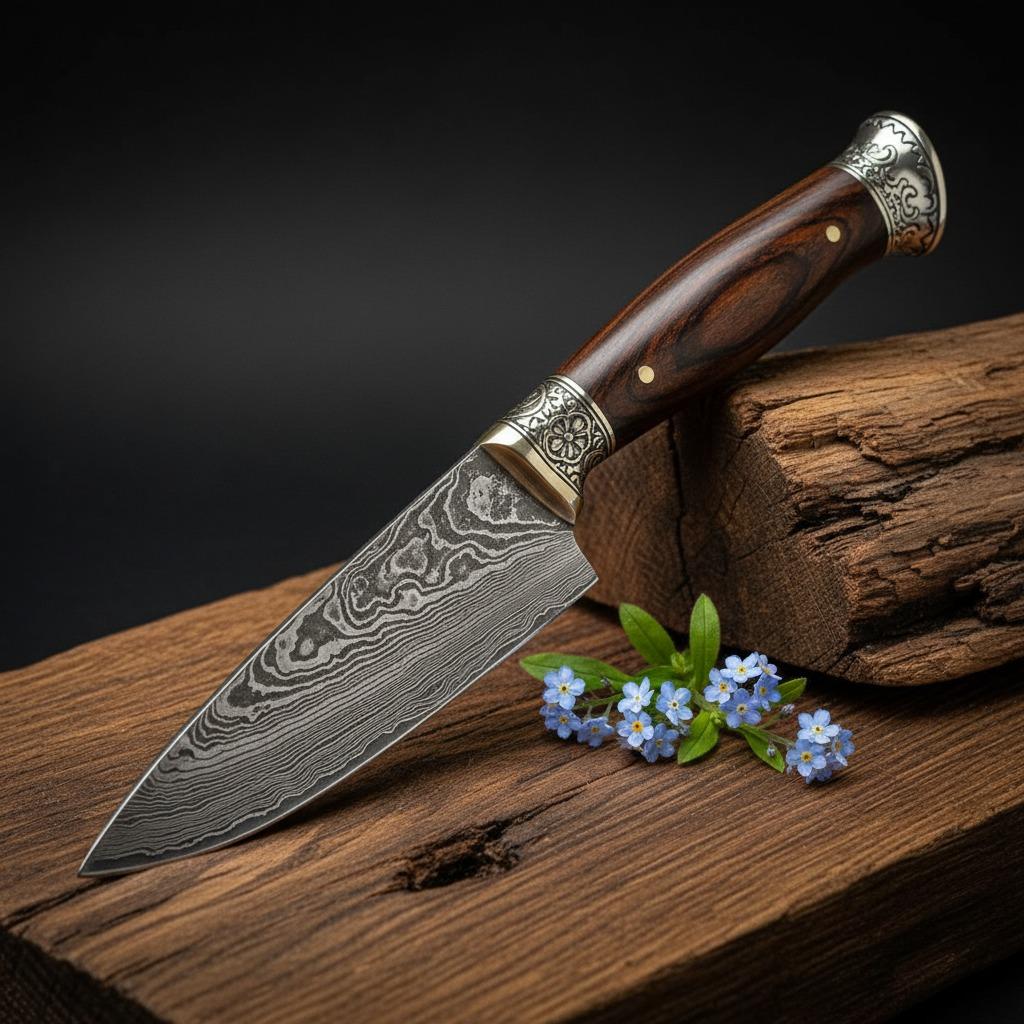
Art in the Kitchen: The Charm of Custom Knife Handles
A kitchen knife is judged first by its blade, but the handle is what the cook actually feels through every slice, chop and mince. A custom knife handle can change how a knife balances, how secure it feels in wet hands and how personal it looks on a counter or magnetic strip. For chefs, culinary students and dedicated home cooks, the handle is not decoration alone; it is the contact point between technique and tool.
Custom handles appear in many forms, from stabilized burl woods and resin-wood hybrids to traditional lacquered artwork and inlaid details. The best choice depends on how the knife will be used, how often it will be cleaned and whether the buyer values a bold visual statement or a quiet, comfortable grip. This guide explains how to compare custom kitchen knife handles without losing sight of daily performance.
Key Takeaways
- A custom handle should improve comfort and control, not only appearance.
- Stabilized woods and resin-based hybrids are popular because they can offer distinctive looks with lower moisture sensitivity than raw wood.
- Shape, balance and surface texture matter as much as handle material.
- Ask clear questions about care, construction and compatibility before ordering a custom-handled knife.
Why the Handle Matters as Much as the Blade
During long prep sessions, small handle details become obvious. A handle that is too narrow can create pressure points. One that is too slick may feel unsafe when cutting juicy vegetables, fish or meat. A handle that shifts the balance too far back can make a knife feel less precise, while a front-heavy design may tire the wrist faster.
Good handle design supports repeatable technique. It should allow a pinch grip near the blade, a secure full grip when needed and a natural wrist position. For professional kitchens, consistency and easy cleaning are important. For home cooks, comfort and a pleasing design may carry more weight, but the knife still needs to be practical enough for routine use.
Popular Custom Knife Handle Materials
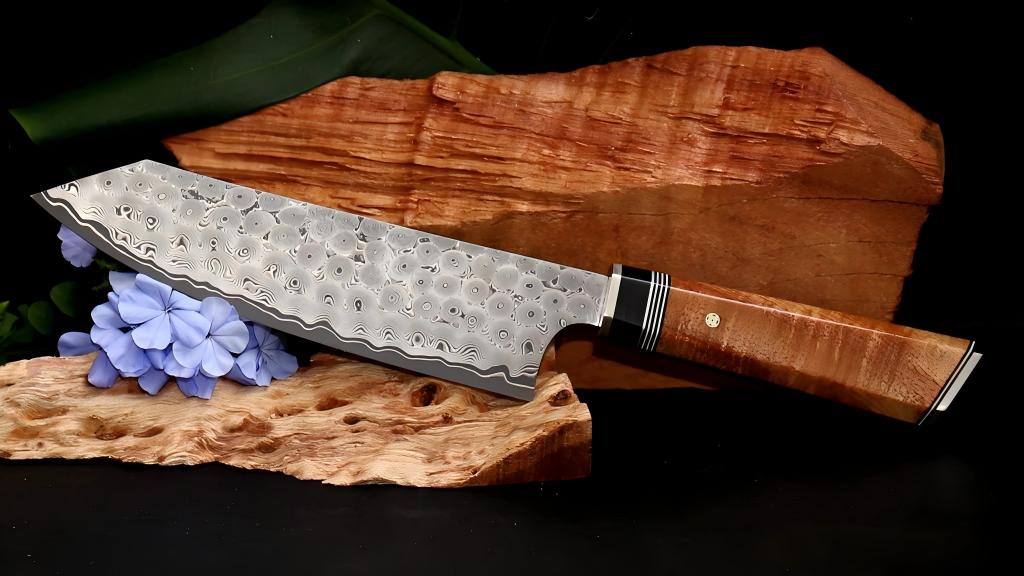
The original appeal of artistic knife handles often comes from material choice. Stabilized burl wood can show dramatic grain patterns. Resin-wood hybrid handles may display strong colors, swirls or layered effects. Some traditional styles use lacquer techniques, including decorative motifs, for a more collectible appearance. Each option has trade-offs in feel, maintenance and cost.
| Handle material | Visual character | Grip feel | Care level | Best suited for |
|---|---|---|---|---|
| Stabilized burl wood | Natural grain, figure and depth; may be dyed | Warm and comfortable when shaped well | Low to moderate; avoid soaking | Cooks who want natural character with practical use |
| Resin-wood hybrid | Bright colors, swirls and modern patterns | Can be smooth or textured depending on finish | Generally low; wipe clean and dry | Users who prefer bold custom designs |
| Stabilized exotic wood | Rich tones and dramatic figuring | Solid, traditional hand feel | Moderate; follow maker guidance | Classic custom knives and display-worthy tools |
| Lacquered or decorative handle | Artistic surface, sometimes with painted or metallic details | Varies by shape and finish | Moderate to high; avoid abrasion | Collectors and careful users |
| Composite or synthetic handle | Consistent color and controlled appearance | Often stable and predictable | Low; confirm cleaning limits | Busy kitchens needing easy maintenance |
How to Choose a Handle Shape and Grip
Material attracts attention, but shape determines whether the knife feels right after ten minutes of cutting. Western-style handles often have contoured sides and visible rivets, while Japanese-style wa handles may be octagonal, D-shaped or oval. Neither is automatically better. The right choice depends on hand size, grip style and the type of prep work performed most often.
Before choosing a custom handle, consider these points:
- Hand size: A large handle can feel stable but bulky; a small handle may offer agility but less support.
- Grip style: Pinch-grip users may prefer a handle that does not interfere near the choil or blade neck.
- Texture: Polished handles look refined, but some users prefer a slightly tactile finish for wet prep tasks.
- Balance: A heavy handle can shift the knife’s balance backward. Ask how the finished knife is expected to feel.
- Cleaning routine: Handles with deep grooves, fragile artwork or complex inlays may require more careful wiping.
Questions to Ask Before Buying a Custom-Handled Knife
If you are ordering from a supplier, maker or retailer, avoid vague descriptions. Custom does not always mean better; it means there are more variables to confirm. Ask practical questions before purchase so the finished knife matches your expectations.
- What is the handle material, and is it stabilized, sealed or otherwise treated?
- Is the handle designed for daily kitchen use or mainly for collection and display?
- How should the handle be cleaned and dried after use?
- Can the handle tolerate normal food-prep moisture, or should it be kept especially dry?
- What handle shape and approximate dimensions are available?
- Will the finished handle change the knife’s balance compared with a standard version?
- Are there any special care restrictions for lacquer, inlay, resin or natural wood?
For restaurants, culinary schools or wholesale buyers, also ask whether the supplier can provide consistent handle styles across multiple knives, whether replacement or rehandling is available and what information is supplied for staff care instructions. Do not assume details such as certifications, minimum order quantities or testing results unless the supplier provides them directly.
Use and Care Tips for Custom Knife Handles
Most custom-handled kitchen knives benefit from simple, careful habits. Wash the knife by hand rather than leaving it in a sink. Wipe the handle with a soft cloth and dry it promptly. Avoid dishwashers unless the manufacturer specifically states that the knife is dishwasher safe, because heat, detergent and impact can damage both blade and handle over time.
Wood and decorative finishes need particular attention. Do not soak them. Do not scrub lacquered or painted surfaces with abrasive pads. If the supplier recommends occasional oiling for a wood handle, use the suggested product and frequency rather than guessing. Store the knife where the handle will not be knocked against other utensils, especially if it has polished resin, inlay or artistic surface work.
When a Custom Handle Is Worth Considering
A custom handle makes sense when the user already values a knife enough to keep it sharp, clean and properly stored. It is also useful when standard handles do not fit the hand comfortably. Professional cooks may look for reduced fatigue and a grip that feels predictable during repeated tasks. Home cooks may choose a custom handle to make a favorite knife more personal while still keeping it usable.
However, a custom handle is not a shortcut around blade quality, sharpening or safe technique. A beautiful handle cannot compensate for a poorly maintained edge. The strongest purchase decision considers the complete knife: blade geometry, weight, handle fit, cleaning needs and the environment where it will be used.
FAQ
Are custom knife handles only for professional chefs?
No. Professional chefs may value comfort during long shifts, but home cooks can also benefit from a handle that fits the hand well and suits their care habits.
Is stabilized wood better than regular wood for kitchen handles?
Stabilized wood is commonly chosen because it is treated to reduce moisture sensitivity compared with raw wood. Exact performance depends on the material and process, so ask the supplier for care guidance.
Can I put a custom-handled knife in the dishwasher?
Hand washing is the safer default. Unless the supplier clearly says the knife is dishwasher safe, wash it gently, dry it immediately and store it properly.
What is the best handle material for wet hands?
There is no single best material. Look for a shape that locks comfortably into the hand and a finish with enough texture. Ask whether the handle remains secure during normal wet food preparation.
Should I choose appearance or comfort first?
Choose comfort first. A striking handle is enjoyable, but a kitchen knife should feel controlled, balanced and safe during real prep work.
