




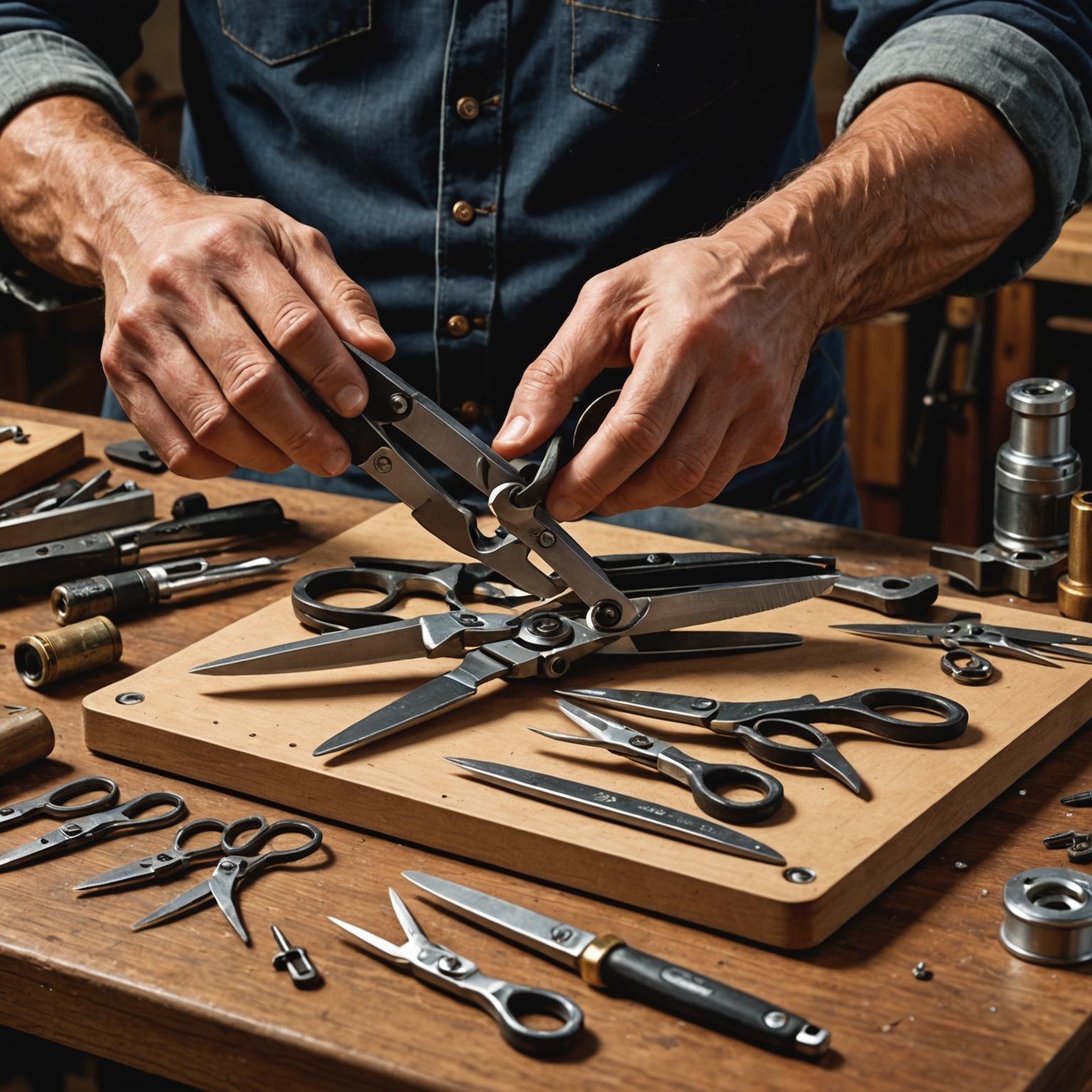
Assembly of Scissors: Techniques, Parts, and Quality Checks
The assembly of scissors looks simple from the outside: two blades, two handles, and a pivot. In practice, a useful pair of scissors depends on the accurate fit of several small parts, controlled blade contact, comfortable handling, and consistent inspection. For manufacturers, wholesalers, and sourcing teams, understanding the assembly process helps separate a reliable product from one that only looks acceptable in a catalog photo.
This guide explains the main parts used in scissors assembly, the techniques that influence performance, and the practical quality checks buyers can discuss with a supplier. It avoids assuming one universal specification because scissors vary by application, from general household cutting to textiles, crafts, packaging, and industrial use.
Key Takeaways
- Scissors performance depends on alignment, blade contact, pivot tension, and handle comfort, not only sharp edges.
- Common assembly parts may include blades, screws, washers, spacers, springs, and handles, depending on the design.
- Buyers should ask suppliers how tension is set, how sharpness is checked, and how finished products are inspected.
- For OEM or wholesale orders, confirm target use, materials, packaging, labeling, and acceptable quality criteria before production.
What Scissors Assembly Really Involves
Scissors assembly is the process of bringing individual components together so the two blades move smoothly and meet at the correct angle. If the blades are too loose, material can fold or slip between them. If the blades are too tight, the user may feel drag, fatigue, or uneven cutting. The goal is a controlled relationship between the two cutting edges through the full opening and closing motion.
The original article highlights that screws, washers, spacers, and springs can all affect operation. That is important because these small parts often decide whether scissors feel smooth after repeated use. A well-assembled product should open and close consistently, cut the intended material cleanly, and avoid obvious looseness at the pivot.
Main Components in a Pair of Scissors
The exact structure depends on the product type, but most scissors include several functional areas. Understanding these helps buyers compare samples and ask better questions during sourcing.
- Blades: The cutting surfaces. Their shape, edge finish, and alignment determine how the scissors engage with paper, fabric, plastics, or other materials.
- Pivot screw or fastener: The point where the two blade halves connect. This part controls movement and tension.
- Washers or spacers: Small components that can help manage friction, spacing, and smooth operation.
- Springs: Used in some scissor designs to assist reopening or repeated cutting motions.
- Handles: The gripping area. Handle shape affects control, comfort, and the amount of force transferred by the user.
The source article mentions stainless steel as a material commonly associated with strength and corrosion resistance. However, buyers should not assume every product uses the same grade, thickness, or heat treatment. These are commercial and technical details to confirm with the supplier before ordering.
Blade Alignment and Pivot Tension
Two assembly details have an outsized impact on cutting performance: blade alignment and pivot tension. Alignment refers to how the blades meet along their cutting path. Tension refers to the resistance created by the pivot screw or fastening system. Both must be appropriate for the intended task.
For textile use, a clean continuous cut is important because fabric can snag or shift. For general household use, the scissors may need to handle paper, light packaging, thread, or thin plastics. For industrial projects, durability and repeated cutting performance may matter more than a very light hand feel. A supplier should be able to explain how the assembly team sets tension and how they check consistency from batch to batch.
When reviewing samples, open and close the scissors slowly. Listen for scraping, feel for tight spots, and test whether the blades close fully without a visible gap near the tip. A single good sample is not enough for a wholesale decision; ask how the supplier controls the same result during production.
Handles, Ergonomics, and Intended Use
The original article notes that handle design is important for comfort and cutting efficiency. In sourcing terms, this means the handle should match the user group and cutting application. A product used occasionally in a kitchen drawer has different requirements from scissors used all day in tailoring, crafts, or packaging work.
Buyers should evaluate grip opening size, surface finish, edge smoothness, and whether the handle gives enough leverage. If samples will be used by different people, collect feedback from both small and large hands. Also check whether the handle remains comfortable during repeated cutting, not just during a quick inspection.
For OEM projects, provide the supplier with the intended market and use case. Instead of asking only for "good scissors," define the materials the scissors should cut, expected hand feel, target retail channel, packaging needs, and any restrictions for labeling or materials that apply in the destination market.
Assembly and Inspection Checklist
The following table gives sourcing teams a practical way to review samples or discuss quality control with a scissors supplier.
| Check Point | What to Look For | Questions to Ask a Supplier |
|---|---|---|
| Blade contact | Blades should meet smoothly through the cutting stroke. | How is blade alignment checked during assembly? |
| Pivot tension | Movement should not feel too loose or too tight. | Is tension adjusted manually, by fixture, or by another process? |
| Cutting test | Scissors should cut the intended material cleanly. | What materials are used for routine cutting tests? |
| Handle finish | No sharp flash, rough edges, or uncomfortable pressure points. | What visual and touch inspections are performed? |
| Fastener security | Screw or pivot should remain stable after repeated opening. | How is loosening controlled or checked? |
B2B Sourcing Guidance for Scissors Buyers
For wholesale, OEM, or private-label sourcing, the best results come from clear specifications before sampling. A buyer should define the product type, target material, expected finish, packaging format, labeling requirements, and inspection standard. If the supplier offers multiple material or handle options, request written details rather than relying on general descriptions.
- Request production samples that match the intended order, not only showroom samples.
- Ask which parts can be customized, such as handle color, packaging, or logo placement.
- Confirm whether the supplier can document material details, inspection procedures, and packaging specifications.
- Agree on how defects will be classified, including loose pivots, poor cutting, scratches, rust marks, or handle flaws.
- Clarify lead time, order quantity, and after-sales handling directly with the supplier.
Do not assume capacity, minimum order quantity, certifications, or compliance claims unless the supplier provides current supporting information. These details vary by product, market, and order plan.
Practical FAQ
What is the most important step in scissors assembly?
Blade alignment and pivot tension are usually the most important performance factors. Sharp edges matter, but poor assembly can still cause pulling, folding, or uneven cutting.
Are stainless steel scissors always better?
Stainless steel is commonly valued for corrosion resistance, but buyers should confirm the specific material, finish, and intended use. The right choice depends on the application and budget.
How should buyers test scissors samples?
Test them on the actual materials they are expected to cut. Check cutting from heel to tip, handle comfort, pivot stability, and whether multiple samples perform consistently.
What should be included in an OEM scissors inquiry?
Include target use, size range if known, preferred material information, handle requirements, packaging, logo needs, destination market, expected order volume, and any inspection criteria.
Can one pair of scissors work for every material?
Some scissors are multi-purpose, but different materials place different demands on edge geometry, blade strength, and handle leverage. It is better to source by intended use.
Conclusion
Scissors assembly is a precision process built around small details: how the blades meet, how the pivot is tensioned, how the handle fits the hand, and how each finished piece is inspected. For B2B buyers, understanding these details leads to better supplier conversations and more reliable product decisions. Instead of judging only appearance, evaluate samples against the material to be cut, the user environment, and the quality controls the supplier can clearly explain.
