




Bear Safety Scissors: A Parent’s Guide to Safer Kids’ Crafting
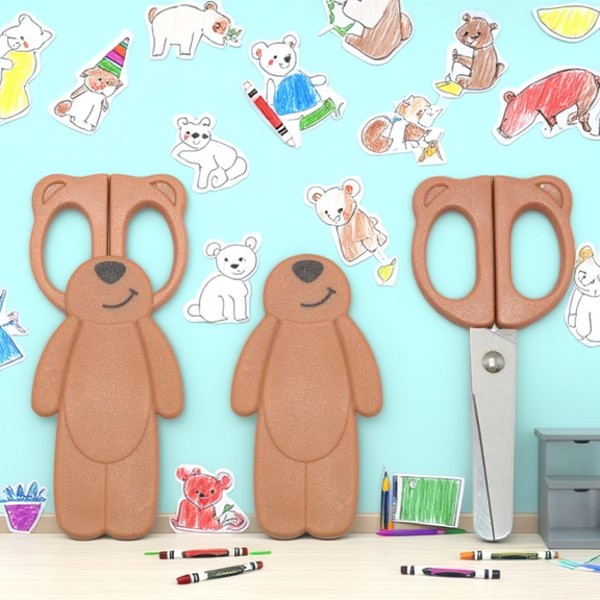
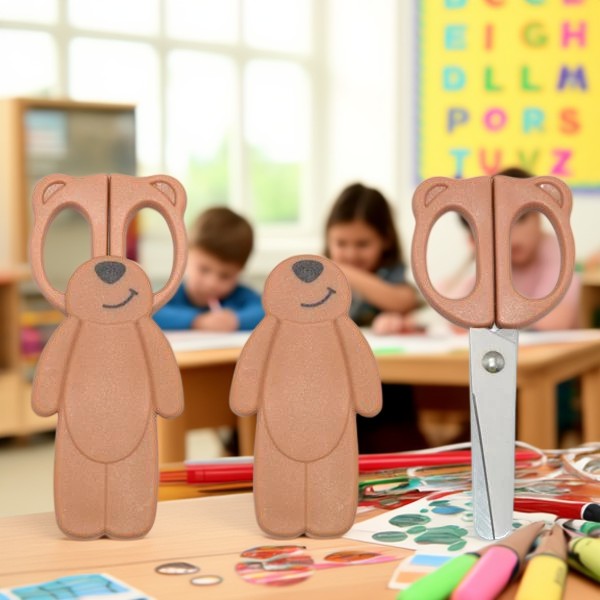
Children often enjoy cutting paper, making cards, and exploring simple art projects, but scissors require careful product selection and adult supervision. Bear safety scissors are designed to make early crafting more approachable by combining a child-friendly bear shape with practical safety details. The Bear Buddy Safety Scissors described in the original article feature an adorable bear motif, handles shaped like bear ears, rounded precision stainless steel blades, and a protective snap-on bear face sheath for storage.
This guide explains how to evaluate children’s safety scissors, when to use them, what to teach a child before cutting, and how to keep the tool in good condition. It is written for parents, teachers, caregivers, and activity organizers who want a safer craft setup without treating safety scissors as a substitute for supervision.
Key Takeaways
- Bear safety scissors are best for supervised paper cutting and basic craft activities.
- Rounded blades help reduce poke risk, but they are still cutting tools and should be used with care.
- A snap-on sheath is useful for storage, transport, and teaching children to put tools away.
- Fit, grip comfort, blade control, and age-appropriate use are more important than appearance alone.
- Adults should set clear cutting rules before every activity.
What Makes Bear Safety Scissors Different?
The most visible difference is the playful bear design. Instead of looking like a standard office tool, the scissors use a friendly form that can feel less intimidating to children. In the Bear Buddy design, the handles are shaped like bear ears, giving small hands a defined place to hold the tool. A comfortable grip matters because children are still developing hand strength, coordination, and control.
The original product description also notes rounded precision stainless steel blades. Rounded tips are important because young users may move suddenly, lean over a project, or pass tools across a table. A rounded tip can help reduce accidental pokes compared with sharp pointed craft scissors. However, the blades can still cut paper and may pinch or cut skin if misused, so the safest approach is guided use.
Best Uses for Children’s Safety Scissors
Bear safety scissors are most suitable for simple, low-risk crafting where children can practice hand-eye coordination. The original article specifically mentions supervised crafting, paper cutting, and basic art projects. These are sensible use cases because the material is thin, predictable, and easy for a child to handle.
Good activities include cutting strips of construction paper, trimming simple shapes, making greeting cards, creating paper animals, or preparing collage pieces. For younger children, start with straight lines before moving to curves, corners, or layered paper. Avoid using children’s safety scissors on hard packaging, thick cardboard, fabric, plastic sheet, wire, or food unless the supplier clearly states that the scissors are intended for that material.
Safety Features to Check Before Buying
A cute design should never be the only reason to choose a pair of kids’ scissors. Parents and teachers should inspect the tool as a practical object. Look for a handle that supports a stable grip, blades that open and close smoothly, and a protective cover that stays in place when the scissors are stored. The Bear Buddy scissors include a protective snap-on bear face sheath, which is useful because it covers the blades when not in use and helps create a consistent storage habit.
| Feature to Check | Why It Matters | Question to Ask |
|---|---|---|
| Rounded blade tips | Helps reduce poke risk during supervised use | Are the tips rounded and smooth? |
| Blade material | Affects cutting performance and care needs | What blade material is used? The original article states stainless steel. |
| Handle shape | Supports grip comfort and control | Can the child hold the bear-ear handle securely? |
| Protective sheath | Covers blades during storage and transport | Does the snap-on cover stay attached when handled? |
| Opening and closing action | Influences ease of use and pinch risk | Does the movement feel smooth, not loose or stiff? |
| Adult supervision needs | Defines safe activity planning | What rules will adults set before use? |
How to Teach Safe Scissor Habits
Even well-designed safety scissors work best when children learn simple rules. Before starting a craft session, demonstrate how to hold the scissors, where to place the other hand, and what to do when finished. Keep the instructions short and repeatable.
- Use scissors only while seated at the activity table.
- Cut paper only, unless an adult approves another material.
- Keep fingers away from the blades and cutting line.
- Point the closed blades downward when carrying scissors.
- Pass scissors handle-first to another person.
- Put the sheath on and return the scissors to storage after use.
For group activities, give each child enough workspace so elbows and scissors do not bump into neighbors. If a child is tired, distracted, or using the scissors as a toy, pause the activity. Safety depends on behavior as much as product design.
Cleaning, Care, and Storage
Children’s craft tools often pick up paper dust, glue residue, marker stains, or classroom grime. After use, wipe the handles and closed blades with a dry or slightly damp cloth. If adhesive builds up on the blades, an adult should clean them carefully and dry them fully before storing. Avoid soaking the scissors unless the supplier’s care instructions say it is acceptable.
The snap-on bear face sheath should be used whenever the scissors are not actively cutting. Store the scissors in a dedicated craft box, drawer, or teacher-controlled supply area. Do not leave them loose in a backpack, toy bin, or shared play space where a younger child may find them. Periodically check that the blades are not damaged, the handle is not cracked, and the sheath still fits properly.
Choosing Bear Safety Scissors for Home or Classroom
For home use, one pair may be enough if it fits the child’s hand and skill level. For a classroom, daycare, or craft workshop, consistency matters. Select scissors that children can identify easily, store predictably, and use only with clear supervision. The bear design can help younger children recognize their craft tool, but adults should still make decisions based on safety, comfort, durability, and suitability for planned activities.
If you are comparing suppliers, avoid assuming details that are not stated. Ask practical questions: What age range is recommended? What materials can the scissors cut? Are replacement sheaths available? How should the scissors be cleaned? What packaging is used for bulk orders? Are there any test reports or compliance documents available for your market? These questions help buyers make responsible decisions without relying on appearance alone.
FAQ
Are bear safety scissors completely safe?
No scissors are completely risk-free. Rounded tips and a protective sheath can reduce certain risks, but children should still use them only under adult supervision.
What can children cut with these scissors?
Based on the original description, they are suitable for supervised crafting, paper cutting, and basic art projects. Do not use them on tougher materials unless the supplier confirms suitability.
Why is the snap-on sheath useful?
The sheath covers the blades when the scissors are not in use. It also helps teach children that tools should be closed, covered, and stored after an activity.
Are stainless steel blades better for kids’ scissors?
The original article states that these scissors have stainless steel blades. Stainless steel is commonly used for cutting tools, but buyers should still ask about care instructions and intended use.
How should teachers manage scissors in a group setting?
Set rules before the activity, provide enough table space, count scissors before and after use, and store them in a controlled location with the sheaths attached.
Final Thoughts
Bear safety scissors can make early crafting more engaging while supporting better cutting habits. The Bear Buddy design combines a bear motif, bear-ear handles, rounded stainless steel blades, and a snap-on bear face sheath, all of which are useful details for supervised kids’ activities. The right approach is to pair a child-friendly tool with clear rules, careful storage, and age-appropriate projects. That combination gives children room to practice creativity while helping adults manage everyday craft safety.
