




Bear Scissors Factory: OEM Sourcing Guide for Kids’ Cutting Tools
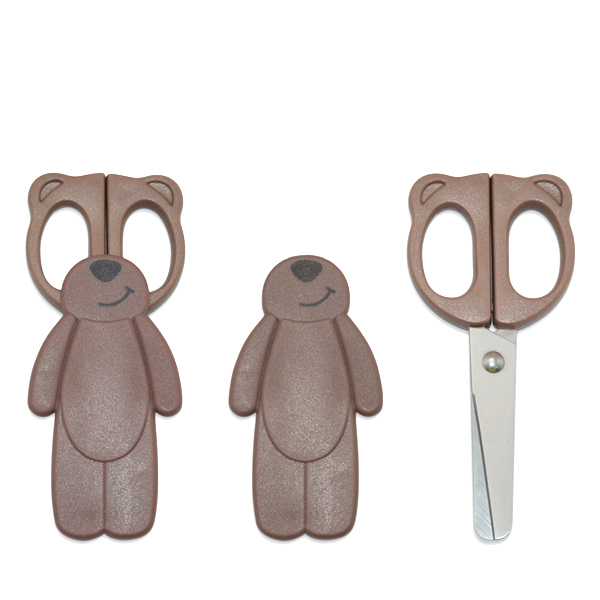
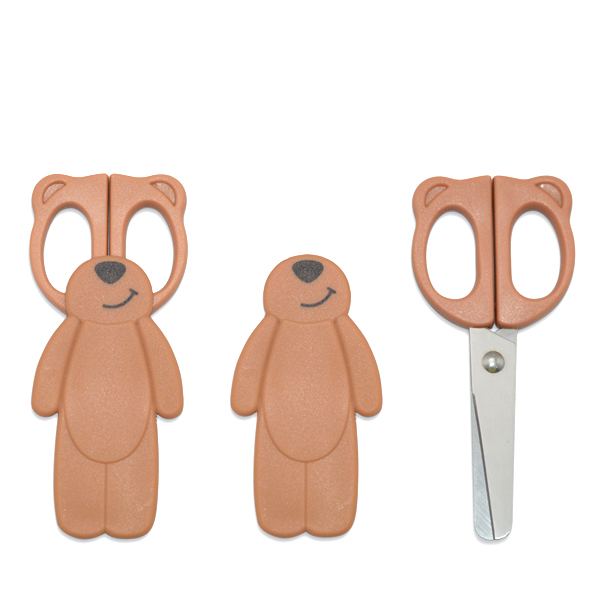
Bear-shaped scissors are a small product category, but they require careful sourcing decisions. Buyers are not only choosing a cutting tool; they are choosing an item often used in classrooms, craft kits, stationery assortments, promotional gift sets, and household activity packs for children. The original product concept highlights a cute teddy-bear appearance, an orange color, a smiling face, and a kid-friendly positioning. For wholesalers, importers, and private-label brands, the key question is how to evaluate a bear scissors factory without relying on appearance alone.
This guide explains what to check when sourcing bear shape scissors, how to discuss OEM options, and which practical questions to ask before placing an order. It avoids assumptions about materials, certifications, pricing, or production capacity, because those details should be confirmed directly with the supplier for the exact model and market.
Key Takeaways
- Bear scissors should be evaluated for usability, child-appropriate design, packaging, and quality consistency.
- OEM buyers should confirm all specifications in writing, including dimensions, blade details, handle design, color, logo placement, and packaging.
- Do not assume compliance, testing, MOQ, or material grade; ask the factory for documents and samples relevant to your destination market.
- A cute design can support retail appeal, but sourcing decisions should still be based on safety review, durability checks, and supplier communication.
What Makes Bear Scissors Different from Standard Kids’ Scissors?
Standard children’s scissors are usually selected for basic cutting tasks, simple handling, and classroom use. Bear scissors add a visual theme, turning a routine stationery item into a more engaging craft accessory. The teddy-bear shape, smiling face, and bright orange presentation mentioned in the original product information are useful for retail shelves and giftable stationery sets.
However, the novelty design should not distract from core performance. Buyers should still evaluate how the scissors open and close, whether the handle size suits the intended age group, whether the cutting edge matches the product description, and whether the shape creates any handling issues. For children’s products, comfort and control are just as important as the visual concept.
How to Evaluate a Bear Scissors Factory
When a buyer searches for a bear scissors factory, the intent is usually commercial: finding a manufacturer, OEM partner, or wholesale source. A good evaluation process starts with a sample and a supplier questionnaire. Ask for clear product photos, physical samples, available packaging formats, and written confirmation of specifications.
Important factory discussion points include:
- Which parts of the scissors can be customized, such as color, logo, packaging card, or outer carton?
- What is the exact product size, weight, and intended user group?
- What materials are used for the handle and cutting parts?
- Can the supplier provide inspection standards for appearance, cutting performance, and packaging?
- What documents are available for the destination market, and are they current for the exact product being ordered?
These questions help separate general promotional language from verifiable manufacturing information. If a supplier cannot confirm basic details, buyers should slow down before committing to artwork, molds, or bulk orders.
OEM and Private-Label Considerations
OEM sourcing for bear scissors can include simple branding or more detailed product development. Simple branding may involve adding a buyer’s logo to packaging. More involved OEM work may include changes to color, character expression, handle shape, or retail presentation. Each change can affect cost, lead time, tooling requirements, packaging fit, and compliance review.
Before requesting a quotation, prepare a short brief. Include target sales channel, order destination, age positioning, expected packaging type, barcode needs, carton marking requirements, and any retailer requirements. If the product will be sold through schools, craft stores, online marketplaces, or children’s gift channels, the packaging and documentation needs may differ.
For private-label orders, buyers should also ask who owns the artwork, whether the design is exclusive, and whether the bear character shape is already part of the supplier’s existing product range. Intellectual property questions should be handled early, especially for branded retail programs.
Comparison Checklist for Buyers
| Checklist Area | What to Review | Questions to Ask the Supplier |
|---|---|---|
| Product design | Bear shape, smiling face, color, handle comfort, child-friendly appearance | Can the color, face detail, or handle design be customized? |
| Performance | Opening and closing action, cutting feel, edge consistency, handling control | What inspection method is used for cutting performance? |
| Materials | Handle material, blade material, surface finish, durability expectations | What materials are used, and can they be documented? |
| Packaging | Retail card, bag, display box, warning text, barcode, carton labeling | What packaging options are available for wholesale or retail orders? |
| Compliance | Market-specific requirements for children’s stationery or craft tools | Which test reports or declarations are available for this exact item? |
Sample Review: What Buyers Should Test
A sample review should be more than a quick visual check. Create a simple internal test sheet and compare multiple samples if possible. Look for consistent color, clean edges, smooth movement, stable assembly, and packaging condition after transit. If the scissors are positioned for kids, have adults assess whether the grip and resistance feel appropriate for supervised craft use.
Buyers should also cut common craft materials that match the intended use, such as paper or light card, if the supplier states the product is suitable for those tasks. Avoid expanding marketing claims beyond what the product can consistently handle. If the scissors are mainly for paper crafts, do not promote them for heavy materials unless the supplier verifies that performance.
Packaging and Retail Presentation
Because bear scissors rely partly on visual appeal, packaging matters. The teddy-bear look should be visible, but the pack should also communicate the product clearly. For online sales, ask for photos of the packaged unit, not only the loose product. For wholesale programs, request carton dimensions, packing quantity, gross weight, and labeling format before calculating freight and storage costs.
Packaging copy should be reviewed carefully. Claims such as “safe,” “ergonomic,” or “durable” should be supported by product design, usage instructions, and any required documentation for the market. If the supplier’s original listing uses those terms, buyers should still verify how the claims are substantiated before using them on retail packaging.
Practical FAQ
Are bear scissors only for children?
The product concept is clearly designed to appeal to children, especially for arts and crafts. Adults may also use them for light tasks, but the buyer should define the intended user group and confirm the product size and performance with samples.
Can a bear scissors factory support OEM branding?
Many suppliers may offer OEM options, but the available choices vary. Ask whether logo printing, color changes, packaging design, or other customizations are possible, and confirm any minimum order quantity or setup cost directly.
What documents should importers request?
Request documents relevant to your destination market and sales channel. These may include material information, test reports, declarations, or inspection records, but do not assume availability until the supplier provides current documents for the exact product.
How should I compare quotations from different suppliers?
Compare the same specification, packaging, quantity, and delivery terms. A lower unit price may not be comparable if packaging, inspection standards, customization, or documentation are different.
What is the first step before placing a bulk order?
Start with samples and a written specification sheet. Confirm appearance, function, packaging, labeling, compliance needs, and commercial terms before approving production.
Final Sourcing Advice
Bear scissors can be a practical addition to kids’ stationery, craft, and gift product lines when sourced with clear specifications. The teddy-bear design and bright character presentation can help attract attention, but professional buyers should focus on repeatable quality, accurate documentation, and realistic product claims. Treat the factory conversation as a verification process: ask specific questions, review samples carefully, and confirm every detail in writing before moving to OEM or wholesale production.
