




Beginner’s Guide: How to Choose the Perfect Scissors for Your Needs
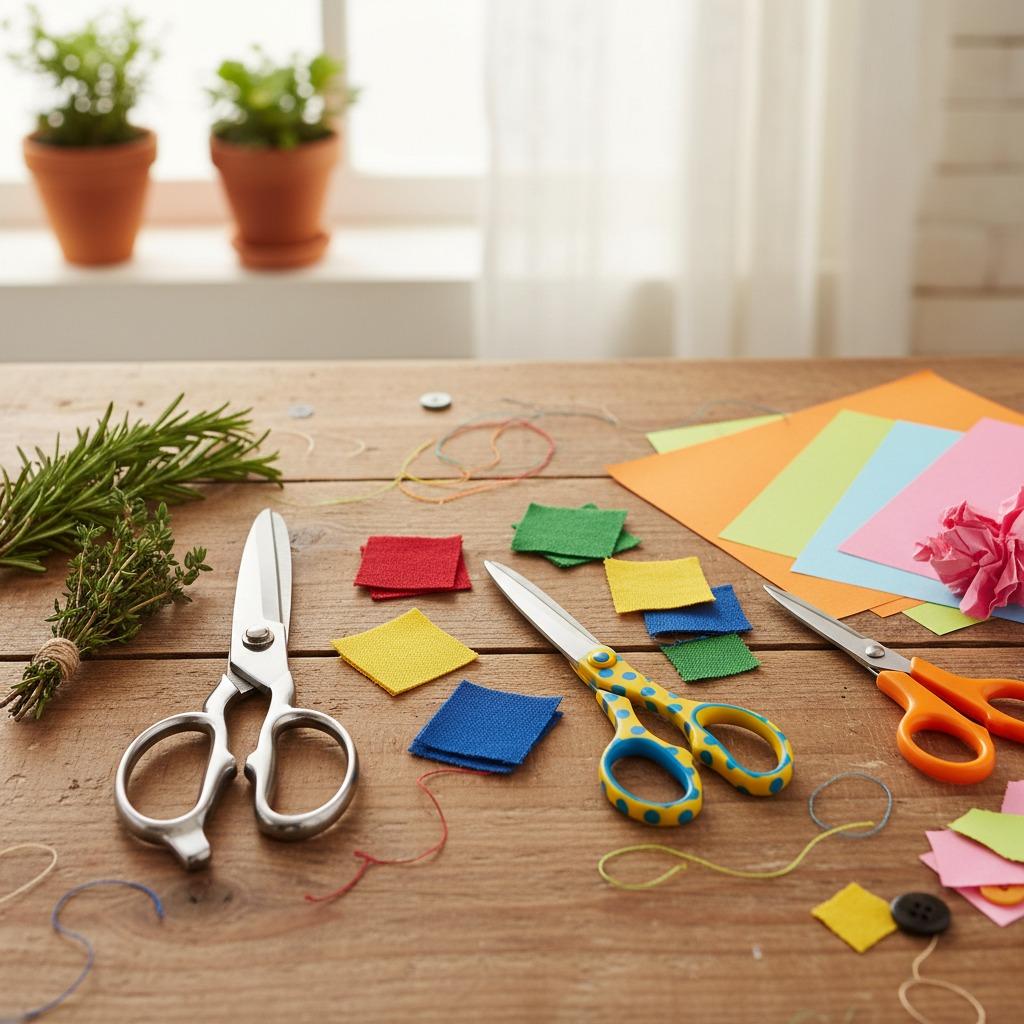
Scissors look simple, but the wrong pair can make a basic job feel awkward, messy, or unsafe. A pair that works well for paper may drag through fabric. Kitchen shears that handle herbs and packaging should not be treated the same way as embroidery scissors. For beginners, the best approach is not to buy the most expensive option first, but to match the tool to the material, your hand comfort, and the amount of use you expect.
This guide explains the main types of scissors, what features matter, and how to care for them after purchase. It is written for everyday users choosing scissors for the kitchen, home office, crafts, sewing, school, or general household tasks.
Key Takeaways
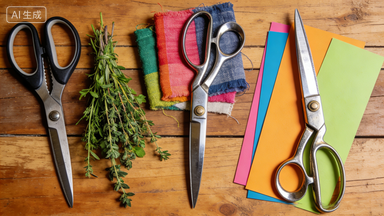
- Choose scissors based on the material you cut most often: food, paper, fabric, thread, cardboard, or plants.
- Blade alignment, sharpness, handle comfort, and safe storage matter more than decorative appearance.
- Keep separate scissors for food, fabric, paper, and adhesive materials to avoid dulling and contamination.
- Clean and dry scissors after use, especially kitchen shears or any pair exposed to moisture.
Start with the Cutting Job
The easiest way to choose scissors is to define the task before looking at features. If you mainly open parcels, cut tape, and trim paper, a general-purpose pair is enough. If you cut fabric, choose sewing or tailoring shears and reserve them for textiles only. If you prepare food, kitchen shears are more appropriate because they are designed for food-prep handling and cleaning.
Using one pair for every task usually shortens its life. Paper can dull fabric shears. Adhesive tape can leave residue on blades. Food use requires hygiene practices that are not relevant to craft scissors. A beginner toolkit can be simple: one kitchen pair, one general household pair, and one task-specific pair if you sew, craft, or garden.
Common Types of Scissors and Best Uses
| Type | Best Use | What to Check Before Buying |
|---|---|---|
| Kitchen shears | Herbs, food packaging, light poultry prep, kitchen tasks | Comfortable grip, easy cleaning, secure pivot, suitable blade shape |
| General-purpose scissors | Paper, envelopes, labels, light cardboard | Medium size, smooth opening, aligned blades |
| Craft scissors | Paper crafts, cardstock, detail cutting | Sharp tips, controlled handling, coating if cutting adhesives |
| Fabric or tailoring shears | Sewing, quilting, textile cutting | Long blades, stable cutting action, comfortable handle angle |
| Embroidery scissors | Thread snipping and small details | Small size, fine tips, precise control |
| Garden shears | Flowers, stems, light pruning | Stronger build, safe grip, easy cleaning after plant sap |
Blade Material, Shape, and Edge Design
Blade material affects durability, corrosion resistance, and maintenance. Stainless steel is common for everyday and kitchen use because it is generally easier to clean and more resistant to rust than plain carbon steel. High-carbon steel is often valued in fabric or craft tools for sharpness and edge retention, but it needs careful drying and storage. Coated blades may help when cutting sticky materials, depending on the coating and quality.
Blade shape matters too. Straight blades are versatile and predictable for general cuts. Longer blades help with smooth, continuous cuts in fabric or wrapping paper. Shorter blades give better control for detailed work. Serrated or micro-serrated edges can help grip slippery materials, but they may not be ideal when you need a perfectly smooth edge.

Handle Comfort and Control
A sharp blade is not enough if the handle hurts your hand. Before buying, think about how long you usually cut at one time. For quick household use, a basic handle may be fine. For sewing, crafting, or food preparation, comfort becomes more important because repeated cutting can cause pressure points.
- Finger space: The loops should not pinch your fingers or force an awkward grip.
- Grip surface: A slightly textured or soft-touch handle can improve control, especially during longer tasks.
- Weight: Heavy scissors may feel sturdy but can cause fatigue; very light scissors may flex on tougher materials.
- Balance: The tool should open and close smoothly without feeling blade-heavy or handle-heavy.
- Handedness: Left-handed users should look for true left-handed scissors, not only handles labeled as universal.
Size Guide for Beginners
Scissors size should match the job and your hand. Small precision scissors, often around 4 to 6 inches, are useful for thread, paper details, and close trimming. Mid-size scissors, often around 7 to 8 inches, are practical for office and household use. Larger shears, often around 8 to 10 inches, are better for fabric panels, wrapping paper, or longer straight cuts.
Do not choose large scissors only because they look stronger. Larger blades reduce the number of cuts needed, but they can be harder to control. Beginners usually do well with a comfortable mid-size general pair plus a specialized pair for their main hobby or kitchen task.
Safety and Cleaning Considerations
Safety is especially important in homes with children or shared workspaces. Rounded tips are safer for school use, while pointed tips are better for precision but need careful storage. A blade cover, drawer organizer, or dedicated tool roll helps protect both the user and the cutting edge.
Kitchen shears need extra attention because they touch food and moisture. Ask whether the design is easy to clean around the pivot and handle. If a pair can be separated for cleaning, follow the maker’s instructions for taking it apart and reassembling it. Always dry metal parts thoroughly before storage.
Before You Buy: Practical Checklist
| Question | Why It Matters | Good Sign |
|---|---|---|
| What will I cut most often? | Prevents buying the wrong category | The product description matches your main material |
| Do the blades meet cleanly? | Misalignment causes tearing or folding | Blades close evenly from pivot to tip |
| Is the handle comfortable? | Reduces fatigue and improves accuracy | No pinching during repeated opening and closing |
| Can I clean it easily? | Important for kitchen and adhesive use | Accessible pivot area and smooth surfaces |
| Is it right- or left-handed? | Affects visibility and cutting pressure | The blade orientation suits your dominant hand |
| How should it be stored? | Protects the edge and improves safety | Comes with or fits a safe storage solution |
Care Tips for Longer-Lasting Scissors
- Use each pair for its intended material. Keep fabric scissors away from paper and packaging.
- Wipe blades after use. Remove fibers, food residue, adhesive, or dust before storage.
- Dry thoroughly. Moisture can damage many metal tools over time.
- Store blades protected. Avoid loose storage with knives, keys, or other hard objects.
- Check the pivot. If cutting feels loose or rough, inspect the screw or joint according to the product instructions.
- Sharpen when needed. If scissors fold material instead of cutting it, professional sharpening may be better than forcing them.
FAQ: Choosing Scissors for the First Time
What is the best first pair of scissors for home use?
A medium-size general-purpose pair is the most practical first choice for paper, packaging, and light household jobs. Add kitchen shears or fabric shears only if you regularly need them.
Can I use kitchen scissors for crafts?
It is better not to. Kitchen scissors should stay in the kitchen for hygiene reasons. Craft materials, glue, tape, and paper dust can also affect blade performance.
Why do scissors push material instead of cutting?
This often happens when blades are dull, misaligned, loose at the pivot, or not suited to the material. Cleaning and adjusting may help, but badly dull blades may need sharpening or replacement.
Are left-handed scissors really different?
Yes. True left-handed scissors reverse the blade orientation so left-handed users can see the cutting line and apply pressure correctly.
How many pairs of scissors should a beginner own?
Most homes can start with two or three: one general-purpose pair, one kitchen pair, and one specialized pair for sewing, crafts, or gardening if needed.
Final Advice
The right scissors are the pair that fits your task, hand, and care routine. Instead of judging by appearance alone, check blade alignment, handle comfort, cleaning requirements, and intended use. With a thoughtful choice and basic maintenance, even a simple pair of scissors can make everyday cutting cleaner, safer, and easier.
