




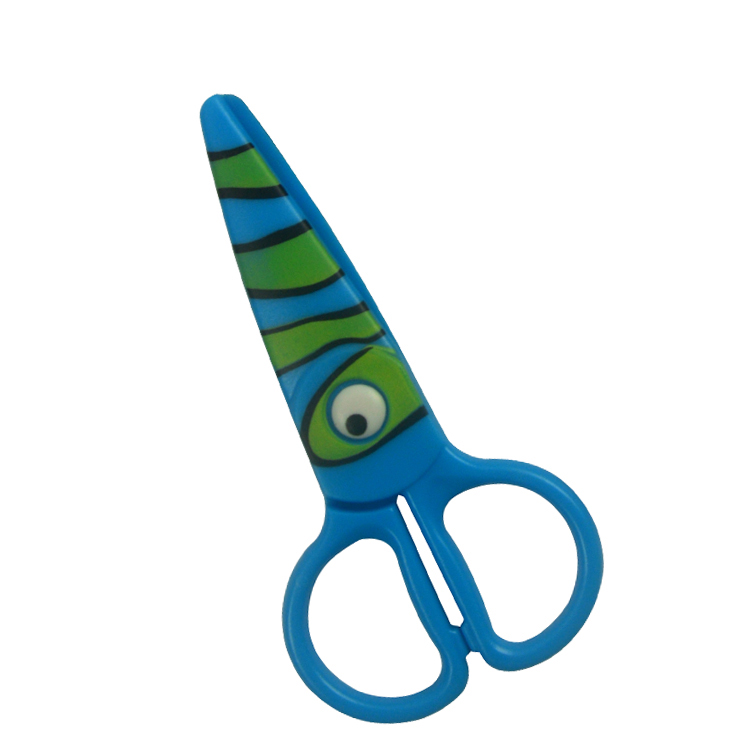
Benefits of OEM Plastic Kid Scissors for B2B Buyers
OEM plastic kid scissors are designed for children’s craft, classroom, and home learning activities, where safety and ease of use matter as much as cutting performance. For importers, education suppliers, stationery brands, and wholesale buyers, the sourcing decision should go beyond appearance. A reliable child-focused scissor program requires careful review of design, materials, factory process, packaging, quality control, and the questions that need to be answered before purchase orders are placed.
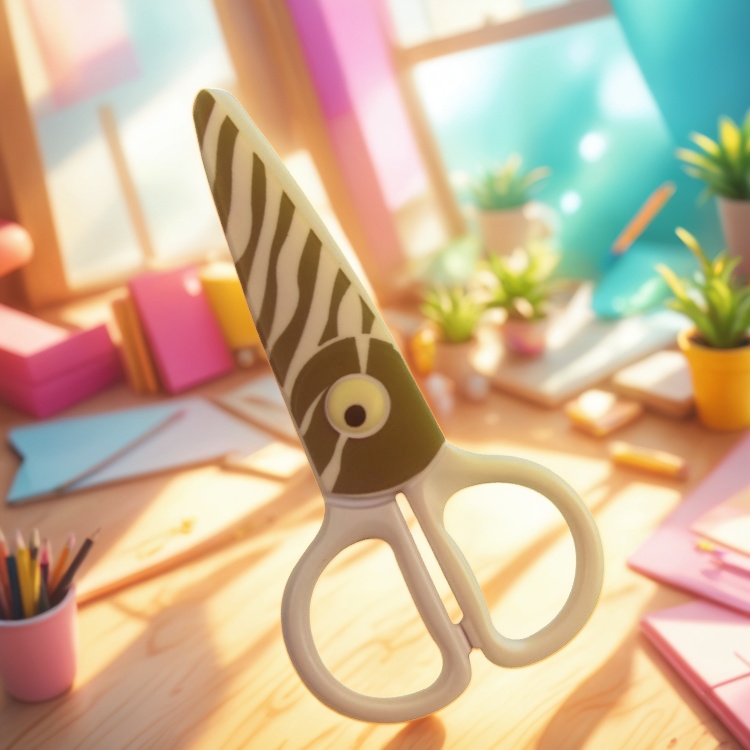
The original product concept highlights several buyer-relevant features: plastic kid scissors for young users, rounded tips, blunt edges, and soft-grip handles intended to support safer handling. Those details are useful starting points, but B2B buyers should still verify the final specification, sample quality, and compliance requirements for their target market.
Why OEM Plastic Kid Scissors Are Sourced in Bulk
Children’s scissors are common in school supply lists, art kits, craft subscription boxes, learning centers, and retail stationery aisles. OEM sourcing allows a buyer to align the product with a brand, age range, sales channel, and packaging format. Instead of purchasing a generic item without control over presentation, buyers can ask a factory or supplier about handle colors, packaging artwork, labeling, carton marks, and assortment planning.
For B2B programs, consistency is important. A classroom pack may need repeated color combinations, while a retail blister card may need a child-friendly look and clear warning text. A craft kit supplier may focus on compact sizing and easy handling. The best sourcing process starts with the end user and sales environment, then works backward to product structure and packaging.
Core Safety Features to Evaluate
Safety is the main reason buyers choose child-specific scissors instead of standard scissors. Rounded tips and blunt edges can reduce the chance of accidental poking or sharp contact during use. Soft-grip handles may also help children hold the scissors more comfortably and reduce slipping during simple cutting tasks.
However, no children’s scissor should be treated as risk-free. Buyers should request clear age grading, usage instructions, and any relevant warning language from the supplier. If the product will be sold in a regulated market, ask the supplier what documents can be provided and whether third-party testing is available for the final production version.
- Confirm whether the tips are rounded on the approved sample.
- Check that the edges match the intended cutting function and age range.
- Review handle comfort for small hands, including left-hand or right-hand use if relevant.
- Ask whether packaging includes adult supervision guidance where needed.
- Test the scissors on the intended materials, such as paper or lightweight craft sheets.
Factory and Supplier Questions Before Ordering
A kid-friendly scissors factory should be able to explain how it controls product consistency from sampling to bulk production. Buyers should not rely only on catalog photos. A photo can show shape and color, but it cannot confirm handle comfort, cutting smoothness, packaging strength, or shipment readiness.
When contacting a supplier, ask practical questions: What customization options are available? What is the usual sample process? How are pre-production samples approved? What inspection steps are used during assembly or packing? What carton size and packing method are recommended for the order quantity? Are commercial terms, lead time, and minimum order quantity confirmed in writing?
If the supplier mentions specific certifications, testing, or material claims, request documents that match the exact product, not a different model. For children’s products, the final design, colorant, packaging, and labeling can all affect what a buyer must verify for their own market.
Comparison Checklist for OEM Plastic Kid Scissors
The table below can help buyers compare samples from different children scissors suppliers before choosing a production partner.
| Evaluation Area | What to Check | Question to Ask the Supplier |
|---|---|---|
| Safety design | Rounded tips, blunt edges, stable handle shape | Is this the final approved design for bulk production? |
| Child usability | Comfort, grip size, opening and closing effort | What age range is this model intended for? |
| Cutting use | Performance on paper and light craft materials | What materials is the scissor designed to cut? |
| OEM options | Color, logo, packaging, assortment | Which elements can be customized and at what order level? |
| Quality control | Sample matching, packaging checks, carton inspection | What inspection process is used before shipment? |
| Documentation | Product details, labeling, test reports if available | Can documents be provided for this exact model and order? |
Customization Without Creating Unnecessary Risk
OEM customization can make a children’s scissor line more attractive to schools, retailers, or craft brands, but every change should be managed carefully. A small change in handle shape may affect comfort. A different packaging format may change labeling space. A color change may require confirmation of material and pigment details. For this reason, buyers should keep a controlled specification sheet for every approved version.
Useful specification points include product dimensions, color references, handle design, tip shape, packaging type, barcode placement, inner pack quantity, master carton quantity, and artwork version. If the supplier provides a sample, label it with the date and version number so the production lot can be compared against the approved sample later.
Quality Control Tips for Wholesale Buyers
For wholesale or private-label orders, quality control should include both product function and presentation. Children’s scissors may be purchased by parents, teachers, school districts, or craft program managers, so a damaged package, inconsistent color, or stiff handle can create complaints even if the product technically works.
- Approve a physical pre-production sample before mass production.
- Check that colors, packaging, and labeling match the final artwork.
- Test sample units from production for smooth opening and closing.
- Confirm that the rounded tips and blunt edges match the agreed sample.
- Inspect retail packaging and shipping cartons for crush resistance and readability.
- Keep records of supplier communication, sample approvals, and shipment inspections.
Buyers should also define acceptable and unacceptable defects before production begins. This reduces confusion if an inspection finds scratches, loose packaging, color variation, or inconsistent cutting feel.
Best-Fit Uses and Sales Channels
OEM plastic kid scissors are commonly suited to paper crafts, classroom projects, basic DIY activities, and children’s creative learning environments. They can be packed as single units, classroom multipacks, stationery sets, or part of broader craft kits. The best format depends on the buyer’s market. Retail buyers may prioritize shelf-ready packaging, while education suppliers may care more about bulk packs, color sorting, and easy distribution.
Because children’s products are sensitive, buyers should describe the intended use clearly when speaking with suppliers. A scissor designed for simple paper cutting should not be marketed beyond its intended function unless the supplier has confirmed suitability and the buyer has completed any necessary checks.
Key Takeaways
- OEM plastic kid scissors should be evaluated for safety design, child comfort, and consistent production quality.
- Rounded tips, blunt edges, and soft-grip handles are useful features to verify on physical samples.
- B2B buyers should ask suppliers about customization, samples, inspection steps, packaging, and documentation.
- Do not rely only on photos or general claims; confirm details for the exact model and order.
FAQ
What should buyers confirm before ordering OEM plastic kid scissors?
Confirm the approved sample, intended age range, tip and edge design, handle comfort, packaging artwork, carton packing, inspection process, lead time, minimum order quantity, and any documents required for the target market.
Are rounded tips enough to make children’s scissors safe?
Rounded tips are an important child-focused design feature, but they are not the only consideration. Buyers should also evaluate edge design, handle stability, age grading, instructions, packaging warnings, and adult supervision guidance where appropriate.
Can OEM kid scissors be customized with brand colors or packaging?
Many OEM programs allow some customization, but the available options depend on the supplier and order details. Ask which parts can be changed, whether tooling or artwork costs apply, and how the supplier controls sample approval.
How should a buyer compare different kid-friendly scissors factories?
Compare physical samples, communication clarity, quality control process, packaging capability, documentation support, and consistency between the quoted product and delivered sample. Written specifications help prevent misunderstandings.
What materials can plastic kid scissors cut?
They are typically intended for simple children’s craft tasks such as paper or lightweight craft materials. Buyers should test the actual sample on the materials their customers will use and avoid making claims beyond verified performance.
