




Best Fabric Scissors Factory: How to Source Tailor Shears for Wholesale
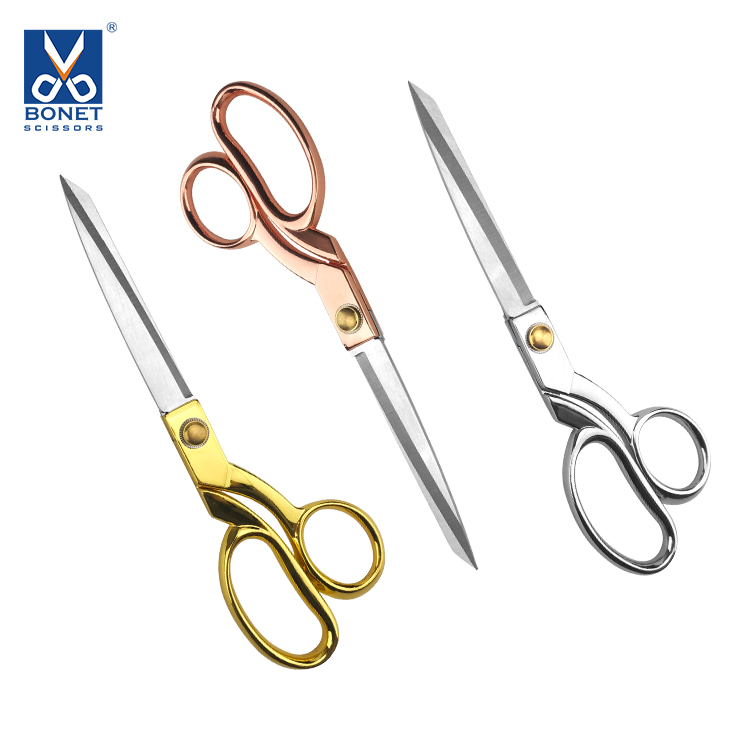
Finding the best fabric scissors factory is not only about choosing a pair of shears that looks good in a product photo. For importers, distributors, sewing retailers, craft brands, and OEM buyers, the real task is to identify a supplier that can deliver consistent cutting performance, practical packaging options, clear communication, and stable order follow-up. Fabric scissors are used by tailors, sewing studios, garment workshops, craft users, and home sewers, so small differences in balance, blade alignment, handle comfort, and finish can strongly affect customer satisfaction.
BONET Houseware presents fabric scissors and tailor scissors for buyers interested in sourcing shears for professional and consumer use. The original product description highlights precision cutting, wholesale supply, metallic finishes, and ergonomic design. This guide explains how to evaluate those points carefully, what to ask before ordering, and how to compare a fabric shears supplier without relying on vague claims.
Key Takeaways
- Choose a fabric scissors factory based on sample quality, repeatability, communication, and after-sales handling, not only appearance.
- Ask suppliers to confirm materials, blade hardness, finish, packaging, MOQ, lead time, and inspection process instead of assuming specifications.
- For wholesale fabric scissors, test cutting performance on real fabrics such as cotton, denim, felt, and layered cloth.
- Ergonomic handle shape, blade alignment, screw tightness, and edge smoothness should be checked before bulk approval.
What Buyers Mean by the “Best” Fabric Scissors Factory
The best factory for one buyer may not be the best for another. A sewing tool distributor may want a broad range of tailor shears, while a craft brand may need a visually distinctive metallic finish. A garment accessory wholesaler may care most about stable pricing, carton packing, and repeat supply. Before contacting suppliers, define your target market and order purpose.
Useful sourcing questions include: Are the scissors intended for professional tailors, sewing schools, craft kits, or household use? Will the product be sold under an existing supplier brand or with customized packaging? Do customers expect heavy-duty fabric shears, compact craft scissors, or a mixed range? These answers help narrow the product choice and prevent over-ordering the wrong style.
Product Features to Evaluate in Tailor Scissors
Fabric scissors should cut cloth cleanly without chewing, dragging, or forcing the user to press excessively. The original BONET description refers to precision and sharp blades, but buyers should still verify performance through samples. Test every sample across several fabric types and note whether the shears cut smoothly from the pivot to the tip.
Key product-selection points include:
- Blade alignment: The two blades should meet evenly, with no visible gap that causes skipped cuts.
- Tip performance: The tips should close cleanly for notches, trimming, and detailed tailoring work.
- Handle comfort: Since the source mentions ergonomic design, check whether the grip is comfortable during repeated cutting.
- Opening and closing feel: The action should be stable, not loose, gritty, or overly tight.
- Finish quality: Metallic finishes can be attractive, but inspect for scratches, uneven coating, rough edges, or color variation.
Wholesale Fabric Scissors: Questions to Ask Before Ordering
When sourcing wholesale fabric scissors, avoid assuming commercial details that have not been confirmed. A reliable supplier should be able to answer practical questions clearly. Ask for the available sizes, handle colors, finish options, packaging choices, carton details, sample policy, production lead time, payment terms, and quality inspection method. If you need OEM or private label service, ask whether logo marking, insert cards, barcode labels, or custom packaging are available and what information is required to quote them.
Also ask how the supplier manages product consistency between samples and bulk goods. For cutting tools, a sample can feel good while the bulk shipment varies if inspection is weak. Request clear pre-production samples or approved reference samples when possible, and confirm what happens if goods arrive with defects, rust, poor blade alignment, or damaged packaging.
Comparison Checklist for Fabric Shears Suppliers
| Evaluation Item | What to Check | Why It Matters |
|---|---|---|
| Sample cutting test | Cut cotton, denim, felt, and layered fabric | Shows whether the shears perform in real use |
| Blade and pivot fit | Check alignment, screw tension, and tip closure | Prevents snagging, skipped cuts, and customer complaints |
| Handle ergonomics | Hold and cut repeatedly for several minutes | Important for tailors and frequent sewing users |
| Surface finish | Inspect metallic finish for scratches and uneven areas | Affects shelf appeal and perceived quality |
| Packaging options | Ask about retail cards, boxes, labels, and carton packing | Supports wholesale, retail, and private label needs |
| Commercial terms | Confirm MOQ, lead time, payment terms, and sample cost | Helps buyers compare suppliers accurately |
| Quality process | Ask how bulk goods are inspected before shipment | Reduces risk in repeat orders |
How to Review Samples Like a Professional Buyer
Do not approve fabric shears after only opening and closing them once. Create a simple sample review sheet and test each pair in the same way. Record the size, weight feel, handle comfort, cutting smoothness, tip accuracy, finish appearance, and packaging condition. If several team members evaluate the samples, compare notes to reduce personal bias.
For a wholesale order, it is also useful to test how the scissors look in retail packaging. A product may cut well but fail on the shelf if the package does not protect the blade, display the item clearly, or fit your market expectations. If you sell online, consider how the scissors will be photographed and whether the finish creates glare or color inconsistency under different lighting.
Use and Care Guidance to Share With Customers
Even good fabric scissors can perform poorly if used incorrectly. Retailers and distributors can reduce complaints by providing simple care instructions. Fabric shears should generally be reserved for cloth, thread, and sewing materials rather than paper, wire, plastic, or adhesive products. Cutting non-fabric materials can dull the edge faster and affect precision.
- Wipe the blades dry after use, especially in humid environments.
- Store scissors closed and away from loose tools that may damage the edge.
- Use a protective sleeve or package insert if selling to consumers.
- Do not drop tailor shears, as impact can affect alignment.
- Recommend professional sharpening when the cutting edge becomes dull.
Where BONET Fits in a Supplier Shortlist
BONET Houseware is presented in the source article as a supplier of fabric scissors and shears, including wholesale fabric scissors and products with metallic finishes and ergonomic design. Buyers considering BONET should treat the company as they would any sourcing candidate: request current product details, ask for samples, confirm available customization, and clarify all commercial terms before placing an order.
The most effective approach is to compare BONET samples against your target price level and market requirements. If your customers value appearance, examine the finish closely. If they are professional users, prioritize cutting performance and comfort. If you are building a private label line, focus on packaging, consistency, and communication during sample approval.
Practical FAQ
What should I ask a fabric scissors factory first?
Start with available sizes, materials, finish options, packaging choices, MOQ, sample availability, lead time, and inspection process. Ask for photos, product specifications, and physical samples before discussing a bulk order in detail.
How can I tell if fabric shears are suitable for professional users?
Test them on layered fabric, check whether the blades cut cleanly to the tip, and evaluate comfort during repeated use. Professional users usually notice blade drag, poor balance, and uncomfortable handles quickly.
Are metallic finishes only decorative?
Metallic finishes can improve product appearance and retail presentation, but buyers should still inspect durability, evenness, and surface quality. Appearance should not replace cutting-performance testing.
Can I order custom packaging for wholesale fabric scissors?
Many suppliers may offer packaging options, but availability varies. Ask the supplier directly about retail cards, boxes, labels, barcodes, artwork requirements, setup costs, MOQ, and approval samples.
How should I compare two tailor scissors suppliers?
Use the same sample test, the same fabric types, and the same checklist for both suppliers. Compare cutting performance, finish quality, packaging, communication, lead time, and how clearly each supplier answers technical and commercial questions.
