




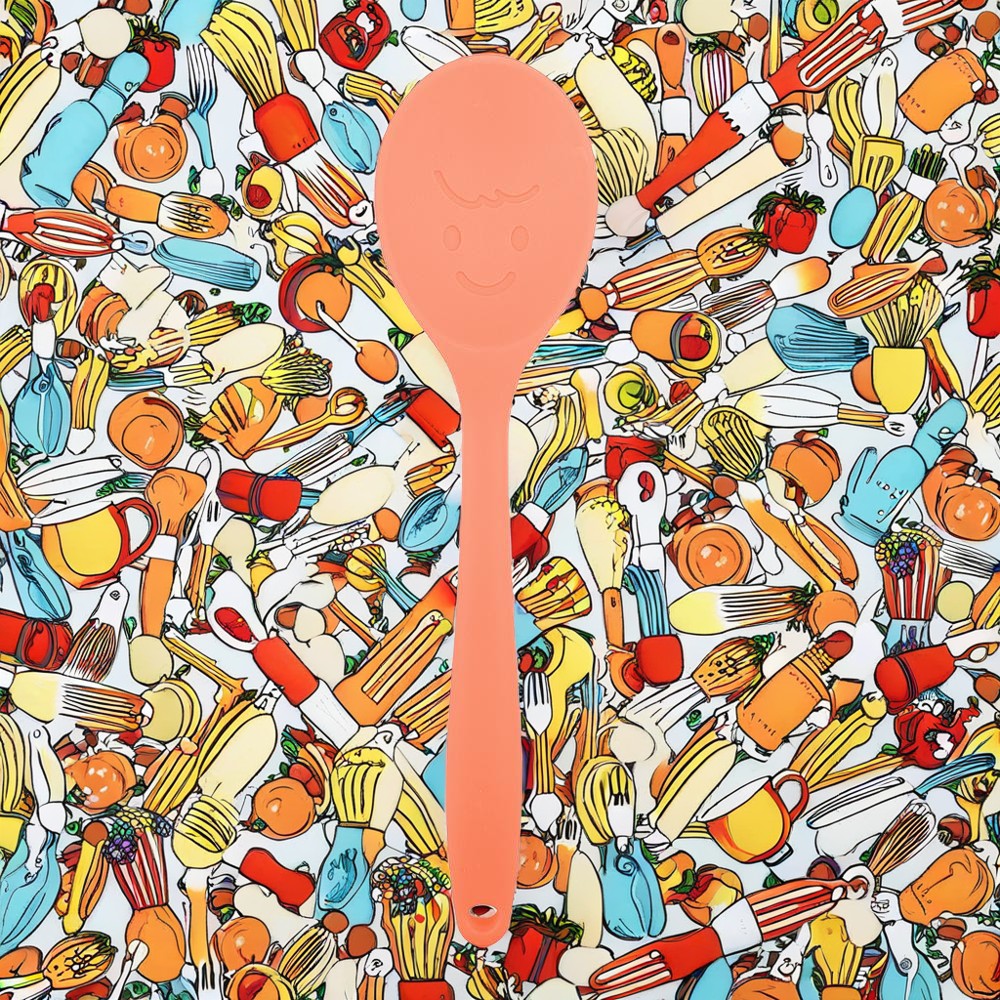
Best Silicone Spoon: How to Choose and Use One Well
A silicone spoon is a simple kitchen tool, but the right one can make daily cooking easier. It is commonly used for stirring sauces, serving soup, scraping pans, folding batters, and working with nonstick cookware. The original Bonet Houseware article highlighted several practical qualities of silicone spoons: heat resistance, durability, gentle contact with cookware, flexibility, dishwasher cleaning, and, in one red smiley design, a built-in stand that helps keep the counter cleaner. This guide expands those points into a practical buying and use guide so you can judge whether a silicone cooking spoon fits your kitchen routine.
Key Takeaways
- A good silicone spoon should feel comfortable, stable, and suitable for the pots and pans you use most often.
- Silicone is valued because it is gentle on nonstick cookware and can be flexible enough for scraping and stirring.
- Look at bowl shape, handle design, cleaning method, and storage before choosing.
- Do not assume all silicone spoons have the same heat rating, dishwasher guidance, or internal construction. Check the supplier information.
- Fun designs, such as a red smiley spoon, can be useful if they also perform well in real cooking tasks.
Why Silicone Spoons Are Popular in Home Kitchens
Silicone spoons are popular because they cover several everyday tasks without being harsh on cookware. When compared with metal utensils, a silicone spoon is usually a better choice for nonstick pans because it is less likely to scratch the coated surface during stirring or serving. Compared with a rigid wooden spoon, silicone can offer a slightly flexible edge that helps reach the sides and corners of cookware.
That flexibility is useful when making sauces, scrambled eggs, soups, stews, or reductions. A spoon that can follow the curve of a pan helps reduce food waste and makes cleanup easier. Many cooks also prefer silicone for serving because the spoon bowl can be soft enough for delicate foods yet firm enough to lift a portion cleanly.
What to Check Before Buying a Silicone Cooking Spoon
The best silicone spoon for your kitchen is not always the most colorful or the largest. It is the one that matches your cookware, cooking habits, and cleaning preferences. Before choosing, review these practical details:
- Heat guidance: The original product description refers to heat resistance, but buyers should still check the stated heat limit from the supplier or product packaging.
- Cookware compatibility: If you use nonstick pans, choose a spoon described as suitable for nonstick cookware.
- Bowl shape: A deeper spoon is better for serving soups and sauces, while a flatter spoon edge can help with scraping and folding.
- Handle comfort: An ergonomic handle can reduce hand strain during long stirring tasks.
- Flexibility: Slight flexibility is helpful, but the spoon should not feel flimsy when lifting heavier foods.
- Cleaning method: If dishwasher cleaning matters to you, confirm that the spoon is listed as dishwasher safe.
- Counter contact: A built-in stand, as described for the smiley spoon design, can keep the spoon head raised from the worktop.
Comparison Checklist: Silicone Spoon Features
| Feature | Why It Matters | What to Ask or Check |
|---|---|---|
| Heat resistance | Helps the spoon perform around hot pans and sauces. | What temperature limit does the supplier state? |
| Nonstick suitability | Reduces the risk of damaging coated cookware during stirring. | Is the spoon described as safe for nonstick cookware? |
| Flexible edge | Improves scraping and helps reach pan corners. | Is it flexible enough to scrape but firm enough to serve? |
| Handle design | Affects comfort, balance, and control. | Does the handle feel secure during wet or greasy cooking? |
| Dishwasher cleaning | Saves time after cooking. | Is dishwasher use recommended by the seller? |
| Built-in stand | Can reduce mess on the counter. | Does the stand keep the spoon head lifted and stable? |
How to Use a Silicone Spoon Effectively
A silicone spoon is useful for more than stirring. Use it to fold ingredients gently into batter, move vegetables around a pan, spoon sauce over food, serve soup, or scrape the last bit of stew from a pot. For nonstick cookware, use slow, controlled movements rather than pressing hard into the surface. Even a gentle utensil should be used with care if the pan coating is already worn.
When cooking thick mixtures such as risotto, curry, or jam, choose a spoon with enough stiffness to move the food without bending excessively. For thin sauces, a more flexible spoon can be an advantage because it follows the pan curve and helps prevent sticking at the edges. If you use the spoon at the table, consider whether the design looks appropriate for serving as well as cooking.
Care and Cleaning Tips
The original article notes that cleaning can be simple and that some silicone spoons can be placed in the dishwasher. Still, care instructions may vary by product, especially if the spoon has a separate handle material or internal support. Check the supplier guidance before using high dishwasher heat or abrasive cleaners.
- Rinse soon after cooking tomato sauce, curry, or strongly colored foods to reduce staining risk.
- Wash with mild dish soap and a soft sponge for routine cleaning.
- Avoid cutting directly against the spoon surface with knives or sharp tools.
- Store it where the spoon head will not be crushed or bent for long periods.
- If the spoon develops cracks, tears, sticky residue, or trapped food in seams, replace it.
About Fun Designs: The Red Smiley Silicone Spoon
The original article mentions a red silicone smiley spoon with a cheerful face and a built-in stand. A playful design can make cooking more enjoyable, especially in family kitchens, but function should come first. Check whether the spoon bowl is the right size, whether the smiley detail is easy to clean, and whether the built-in stand is stable on your worktop.
A red spoon is also easy to spot in a utensil drawer, which can be helpful during busy cooking. If you plan to use it for serving, make sure the shape suits the foods you cook most often. A spoon that is fun but uncomfortable to hold will probably stay in the drawer.
When a Silicone Spoon May Not Be the Best Tool
Silicone spoons are versatile, but they do not replace every utensil. For searing meat, lifting heavy roasts, or scraping burnt food from stainless steel pans, other tools may perform better. A silicone spoon is best viewed as an everyday stirring, scraping, and serving tool, especially for nonstick cookware and sauce-based cooking.
If you regularly cook over very high heat or leave utensils resting in hot pans, pay extra attention to the supplier’s heat guidance. No kitchen utensil should be treated as indestructible. Good habits, such as removing the spoon from the pan when not stirring, help extend its usable life.
Practical FAQ
Is a silicone spoon safe for nonstick cookware?
Silicone spoons are commonly chosen for nonstick cookware because they are gentle on coated surfaces. Still, use moderate pressure and replace damaged cookware or utensils when needed.
Can I put a silicone spoon in the dishwasher?
The original description notes dishwasher cleaning, but you should confirm the care instructions for the exact product you buy. Some handles or decorative parts may need different care.
Does silicone absorb odors?
The source article states that the spoon does not absorb odors. In everyday use, washing promptly after strong-smelling foods such as garlic, curry, or fish is still a good habit.
What size silicone spoon should I choose?
Choose a larger spoon for soups, stews, and serving, and a smaller or narrower spoon for sauces, small pans, and precise mixing. If you cook often, having more than one size can be practical.
What should buyers ask a supplier before ordering?
Ask about stated heat limits, dishwasher guidance, material details, handle construction, packaging options, available colors, and whether the spoon is intended for nonstick cookware. Do not assume these details without written product information.
