




Best Silicone Spoon: Practical Guide for Everyday Cooking
A silicone spoon is one of the simplest tools in the kitchen, but the right one can make daily cooking easier. It is commonly used for stirring sauces, serving stews, mixing vegetables, scraping pans, and working with nonstick cookware. Unlike metal utensils, silicone is gentle on many cookware surfaces. Unlike some wooden spoons, it usually does not absorb color or odor as easily when cleaned properly.
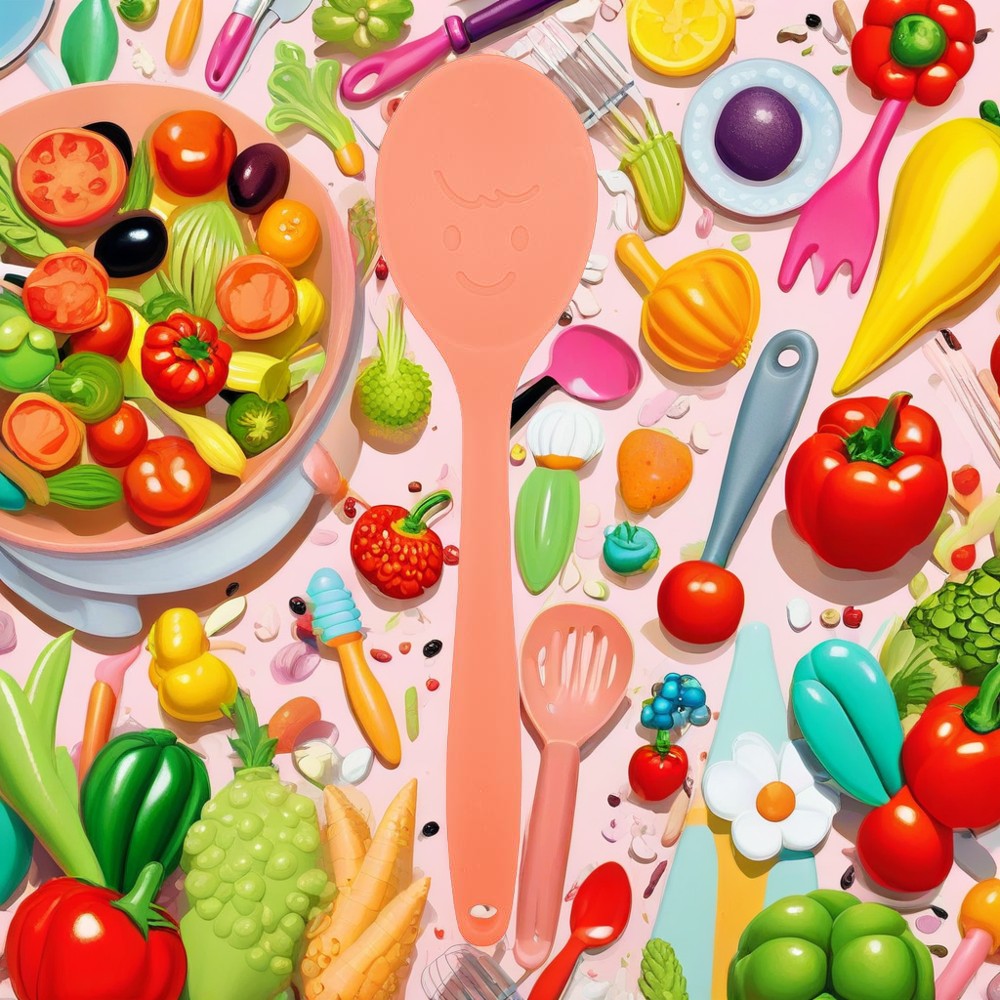
The original Bonet Houseware article introduced a cheerful silicone cooking spoon designed with a playful smile on the spoon bowl, an ergonomic handle, and a built-in mini stand intended to help keep the countertop cleaner. This guide expands that idea into practical buying and use advice, so shoppers can evaluate whether a silicone spoon fits their cooking habits before placing it in the drawer.
Key Takeaways
- A good silicone spoon should feel comfortable, reach the bottom of pans easily, and be gentle on nonstick cookware.
- Heat resistance matters, but buyers should confirm the stated temperature limit from the product label or supplier.
- Look closely at the spoon bowl shape: deeper bowls help with serving, while flatter edges help with stirring and scraping.
- Dishwasher-friendly design can save time, but simple handwashing often helps preserve appearance.
- If buying for retail, hospitality, or wholesale programs, ask suppliers clear questions about materials, packaging, testing, and customization.
Why Silicone Spoons Are Popular in Modern Kitchens
Silicone kitchen utensils became popular because they combine flexibility with a soft touch on cookware. A silicone spoon can move through soup, sauce, and sautéed ingredients without the hard scraping sound of metal. For people who use nonstick pans, enamel-coated pots, or delicate bakeware, this softness is a key advantage.
Another benefit is versatility. A single silicone cooking spoon can stir tomato sauce, fold ingredients, serve rice, scoop chili, or mix a simple batter. The material is also widely valued for easy cleaning. Food does not cling to smooth silicone in the same way it can cling to rough wood, and many silicone spoons are made for dishwasher cleaning. Still, users should always follow the care instructions for the specific product.
What to Look for in the Best Silicone Spoon
The best silicone spoon is not only about color or shape. It should match the way you cook. If you often prepare soups and stews, a deeper bowl may be more useful. If you frequently stir sauces or scrape the bottom of a pan, a slightly flexible edge can help. For long cooking sessions, the handle should feel secure and balanced in the hand.
The original article highlights ergonomic handling and heat-resistant, food-safe silicone. Those are important terms, but shoppers should still verify details. Product descriptions can vary, so check the packaging or ask the supplier for the exact heat-resistance range, cleaning instructions, and whether the spoon is a one-piece or multi-piece design. A one-piece design may reduce seams where food can collect, while a reinforced handle may feel sturdier. The right choice depends on your preference and cooking style.
Comparison Checklist for Choosing a Silicone Cooking Spoon
| Feature to Check | Why It Matters | Practical Buying Tip |
|---|---|---|
| Spoon bowl shape | Affects stirring, serving, and scraping performance. | Choose a deeper bowl for serving soups and stews; choose a flatter edge for sauces. |
| Handle comfort | Reduces hand fatigue during longer cooking tasks. | Look for an ergonomic shape and a grip that does not feel slippery when wet. |
| Heat resistance | Helps prevent damage during normal stovetop use. | Confirm the stated temperature limit from the product label or supplier. |
| Cookware compatibility | Important for nonstick, enamel, and coated surfaces. | Select a smooth silicone surface without sharp edges or exposed metal. |
| Cleaning method | Determines everyday convenience. | Check whether the spoon is dishwasher-friendly and whether handwashing is recommended. |
| Countertop rest or stand | Can reduce mess while cooking. | A built-in mini stand, as described in the cheerful spoon design, may be useful for busy prep work. |
How to Use a Silicone Spoon Well
Even a simple utensil performs better when used correctly. A silicone spoon is ideal for stirring ingredients over medium or low heat, folding mixtures, serving cooked food, and working inside nonstick cookware. When stirring sauces, use slow, steady movements and let the spoon follow the curve of the pan. This helps reduce sticking and gives more control over texture.
For thicker foods such as risotto, oatmeal, chili, or mashed vegetables, choose a spoon with a strong handle and a bowl that does not bend too much under pressure. If you use the spoon for plating, a rounded bowl helps portion food neatly. If the design includes a mini stand, set the spoon down with the spoon bowl elevated to keep sauce off the counter between stirs.
Although silicone is known for heat resistance, avoid leaving any utensil resting in a hot pan for long periods unless the manufacturer clearly says it is safe to do so. Direct contact with very hot cookware, open flames, or broiler heat may exceed the intended use of many kitchen utensils.
Cleaning and Care Tips
Routine care helps keep a silicone spoon looking and performing well. Rinse it soon after cooking, especially after tomato-based sauces, curry, or oily foods. Warm water, mild dish soap, and a soft sponge are usually enough for daily cleaning. If the spoon is labeled dishwasher-friendly, place it where it will not be trapped against heating elements or sharp items.
- Wash before first use according to the product instructions.
- Avoid cutting food directly on the silicone surface.
- Do not use abrasive pads that could roughen the surface.
- Dry thoroughly before storing to avoid water spots or trapped moisture.
- Inspect regularly for cracks, deep cuts, loosened parts, or strong lingering odors.
If a spoon becomes damaged, it is better to replace it than to continue using it with torn silicone or exposed internal material. Good care is simple, but kitchen tools still wear over time.
Notes for B2B Buyers, Retailers, and Hospitality Teams
For B2B sourcing, a silicone spoon should be evaluated beyond appearance. Retailers, distributors, and hospitality buyers should request clear information before ordering. Ask the supplier what material is used, what temperature range is claimed, what cleaning method is recommended, and whether any third-party testing documentation is available. Do not assume certifications or compliance claims unless the supplier provides them in writing.
If the product is for private label, promotional programs, or wholesale kitchenware assortments, ask about packaging options, color matching, logo placement, sample availability, production lead time, carton packing, and quality inspection procedures. If the cheerful smile design or a built-in mini stand is important to your market, confirm whether the design is standard, customizable, or protected by any design limitations. These questions help prevent misunderstandings and make product comparisons more reliable.
FAQ
Is a silicone spoon safe for nonstick cookware?
Silicone spoons are commonly chosen for nonstick cookware because their surfaces are softer than metal. Still, inspect the utensil for sharp seams or damaged areas, and follow the cookware maker’s care guidance.
Can I leave a silicone spoon in a hot pan?
It is better not to leave any utensil in a hot pan for extended periods unless the product instructions clearly allow it. Always confirm the stated heat-resistance limit for the specific spoon.
What makes an ergonomic silicone spoon useful?
An ergonomic handle can improve grip and comfort, especially when stirring thick foods or cooking for a longer time. Balance, length, and surface texture all affect comfort.
Is a built-in spoon stand worth it?
A built-in mini stand can help keep the spoon bowl raised from the counter, reducing mess during cooking. It is most useful if you frequently pause between stirring tasks.
How should wholesale buyers compare silicone spoons?
Compare material information, stated heat resistance, cleaning instructions, packaging, sample quality, customization options, inspection process, and any available compliance documents. Ask suppliers to confirm details instead of relying on assumptions.
Final Thoughts
The best silicone spoon is a practical match for your cookware, recipes, and cleaning routine. A cheerful design can make the tool more enjoyable, but comfort, heat resistance, bowl shape, and durability are the factors that determine everyday usefulness. Whether you are buying one spoon for home cooking or evaluating a product line for wholesale, ask clear questions and choose a design that solves real kitchen tasks.
