




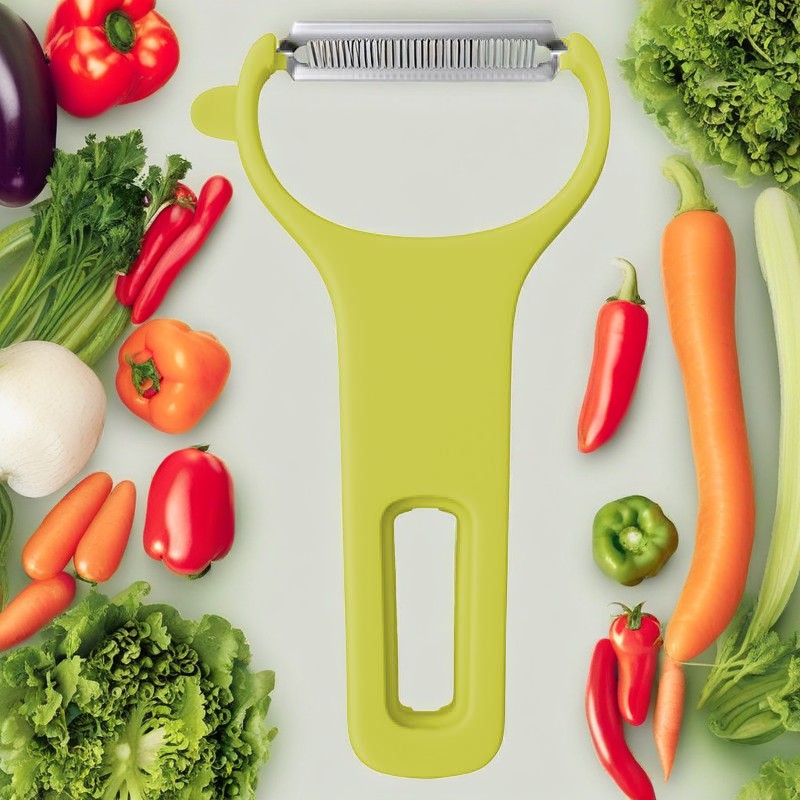
Improve Kitchen Prep Efficiency with a 3-Blade Peeler
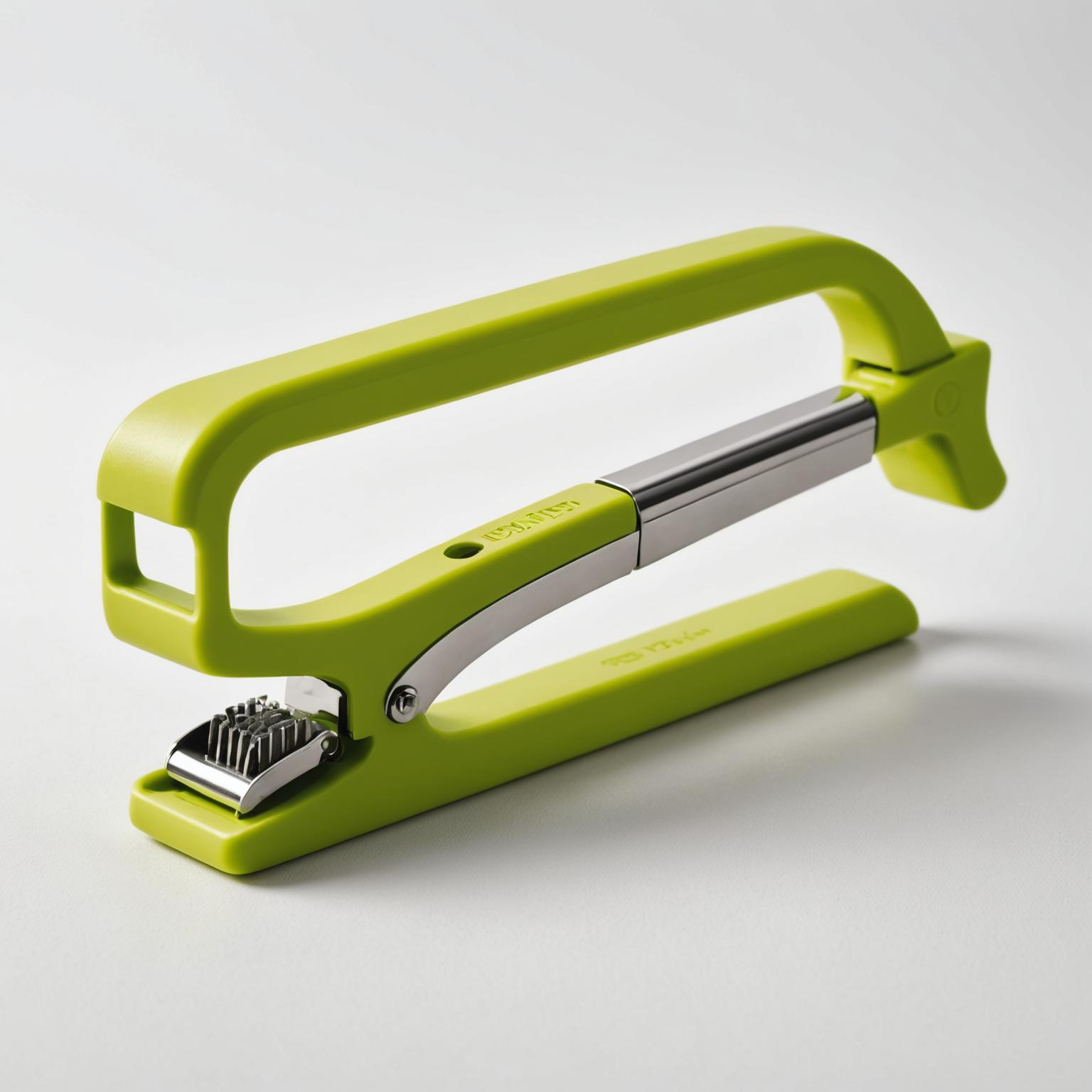
A 3-blade peeler is designed for cooks who want one compact tool for several common prep tasks. Instead of switching between a standard peeler, a serrated peeler and a julienne cutter, this style combines three blade options in one unit. For home kitchens, small food businesses, catering teams or product buyers comparing kitchen accessories, the value is not just speed. The real benefit is choosing the right blade for the texture of the ingredient and the cut you want to achieve.
The original product description highlights three blade types: a straight blade for smooth peeling, a serrated blade for softer fruits, and a julienne blade for decorative strips or thin vegetable ribbons. It also notes stainless steel blades, an ergonomic handle with a thumb grip, a stackable design, bright color options and dishwasher cleaning. This guide explains how to evaluate those features in practical use without treating the tool as a substitute for good knife skills or safe handling.
Key Takeaways
- A 3-blade peeler is useful when you regularly prepare both firm vegetables and softer fruits.
- The straight, serrated and julienne blades serve different purposes; matching blade to ingredient improves results.
- Comfort, grip, blade access and safe storage matter as much as sharpness.
- Cleaning should focus on removing trapped peel, especially around the julienne teeth.
- If buying for resale, hospitality or procurement, ask the supplier for material, packaging, care and compliance details rather than assuming specifications.
What Is a 3-Blade Peeler?
A 3-blade peeler is a multi-function hand tool with three cutting surfaces arranged in a compact body. The straight blade is the most familiar option and is typically used for carrots, potatoes, cucumbers, apples and other produce where a smooth continuous peel is desired. The serrated blade is intended for softer or more delicate skins, such as tomatoes, peaches or similar produce that may crush under a standard blade. The julienne blade cuts produce into narrow strips, useful for salads, garnishes, stir-fry vegetables or quick slaws.
Because all three blades are in one tool, storage is simpler than keeping several separate peelers. However, buyers should still check how the blade selector or blade exposure works. A compact product is only convenient if the user can identify the correct blade quickly and keep unused blades away from fingers during handling.
How to Match Each Blade to the Job
The best results come from using the blade that fits the ingredient. For firm vegetables, a straight blade usually gives the cleanest peel with minimal waste. For soft-skinned produce, a serrated blade can grip the surface better and reduce slipping. For decorative prep, the julienne blade creates narrow strands that would take longer to cut evenly with a knife.
Try these everyday pairings:
- Straight blade: potatoes, carrots, apples, cucumbers and zucchini when a smooth peel is needed.
- Serrated blade: tomatoes, peaches and other soft produce where the skin is thin but slippery.
- Julienne blade: carrots, cucumbers, zucchini and other vegetables for strips, garnish or salad texture.
Do not force the tool through very hard produce. If the ingredient is unstable, oversized or difficult to hold, trim it into a safer shape first or use a cutting board and knife.
Product Selection Checklist
Whether you are choosing one peeler for a home kitchen or evaluating options for wholesale, retail or hospitality use, the checklist below helps separate useful features from vague claims.
| Feature to Check | Why It Matters | Questions to Ask |
|---|---|---|
| Blade types | Confirms the tool can handle smooth peeling, soft skins and julienne cuts. | Are the straight, serrated and julienne blades clearly identified? |
| Blade material | The source notes stainless steel blades, but buyers should verify details for their market. | What stainless steel is used, and how should it be maintained? |
| Handle design | An ergonomic handle and thumb grip can reduce strain during repeated prep. | Is the grip comfortable for different hand sizes? |
| Storage format | A stackable or compact design helps save drawer space. | How are exposed edges protected during storage? |
| Cleaning method | Food particles can lodge around blades, especially julienne teeth. | Is dishwasher cleaning recommended, and are there hand-wash instructions? |
| Retail or B2B details | Commercial buyers need accurate product and packaging information. | What are the available colors, packaging options, barcodes, carton details and order terms? |
Using the Peeler Safely and Efficiently
Sharp peelers make prep easier, but they still require attention. Wash produce first, then place the ingredient on a stable surface if it is wet or slippery. Hold the food with fingertips away from the peeling path. Use short, controlled strokes rather than pulling the blade quickly toward your hand. For round items, rotate the produce as you work instead of twisting your wrist into an awkward angle.
With the julienne blade, avoid pressing too deeply. Light, repeated strokes usually create cleaner strips than one heavy cut. If the strands begin to break, the vegetable may be too soft, too dry or positioned at the wrong angle. A firm carrot or cucumber is often easier to julienne than a very ripe or flexible vegetable.
Cleaning, Drying and Storage
The original description says the tool can be rinsed or placed in the dishwasher. Even when dishwasher cleaning is allowed, it is a good habit to rinse peel and pulp from the blades immediately after use. Dried starch from potatoes or fibers from carrots can be harder to remove later. Use a small brush carefully if food catches in the julienne blade; never wipe directly along a sharp edge with your fingers.
After washing, allow the peeler to dry fully before placing it in a drawer. Stainless steel resists everyday kitchen moisture better than many materials, but drying still helps preserve appearance and hygiene. If the product includes a stackable body or protective arrangement, store it so blades do not contact other utensils or hands reaching into the drawer.
Guidance for Retailers and Sourcing Buyers
For B2B buyers, a 3-blade peeler can be a simple kitchenware item, but the purchasing questions are still important. Do not rely only on photos or general descriptions. Ask the supplier to confirm the blade material, handle material, color availability, packaging format, labeling options, cleaning instructions and whether samples are available for evaluation. If you need OEM branding, request artwork requirements, packaging dielines and a pre-production sample process.
Also ask how the product is protected during transport and display. A peeler with multiple blades should be packaged so the cutting edges remain secure before purchase. For regulated markets or large retailers, request the documents your channel requires and confirm them directly with the supplier. Avoid making claims about food-contact compliance, testing or certifications unless documentation is provided and verified.
Practical FAQ
Is a 3-blade peeler better than a standard peeler?
It depends on your cooking habits. If you only peel potatoes occasionally, a standard peeler may be enough. If you prepare varied produce and want straight, serrated and julienne cuts in one tool, a 3-blade peeler is more versatile.
Which blade should I use for tomatoes?
Use the serrated blade. It is designed to grip softer skins that can slip or tear under a smooth straight blade.
Can the julienne blade replace a spiralizer?
Not completely. A julienne blade makes narrow strips, but it will not create long spiral cuts in the same way a spiralizer does. It is better for small batches, garnishes and quick salad prep.
How should I clean food stuck in the blades?
Rinse immediately after use and use a small cleaning brush if needed. Keep fingers away from the cutting edges, especially around the julienne teeth.
What should buyers ask before ordering in bulk?
Ask for confirmed materials, available colors, packaging details, care instructions, sample availability, order terms and any required documentation for your sales market. Do not assume specifications that are not clearly stated by the supplier.
