




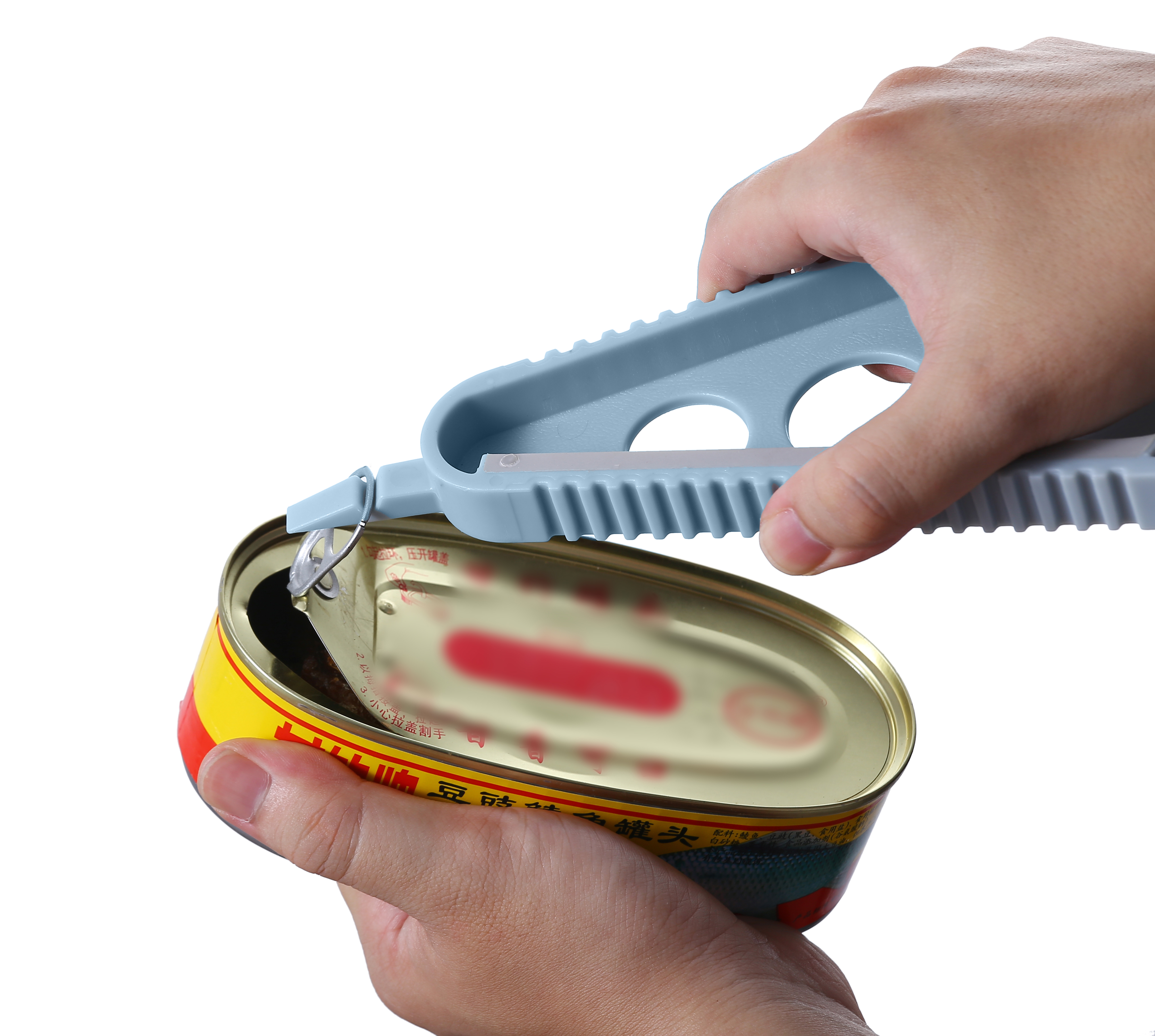
Can Opener Factory: Innovations & Future Trends
A can opener factory produces a small kitchen tool that buyers often underestimate until quality problems appear: slipping gears, uncomfortable handles, weak cutting performance, unstable motors or inconsistent packaging. For importers, wholesalers, private-label brands and kitchenware distributors, the goal is not simply to find a low unit price. The better question is whether a supplier can produce can openers that match the intended market, user habits, retail channel and after-sales expectations.
The original category includes both automatic can opener manufacturing and manual can opener production. Those two product directions have different materials, assembly methods, inspection points and sourcing risks. This guide explains how to evaluate a factory, what to ask before placing an order and which future trends are worth watching without making unverified claims about any specific supplier.
Key Takeaways
- Manual and automatic can openers require different quality checks, especially around cutting parts, handles, gears, motors and electronics.
- Buyers should verify materials, testing methods, packaging standards and customization options directly with the factory.
- Future trends include improved ergonomics, more consistent assembly, practical sustainability choices and hybrid product concepts.
- A reliable sourcing process should include samples, comparison testing and clear written specifications before bulk production.
What a Can Opener Factory Actually Does
A can opener factory typically manages several production and assembly steps: material sourcing, component forming, blade or cutting wheel preparation, handle or housing production, gear assembly, fastening, inspection and packing. In automatic models, the process may also include integration of electronic components, motors, switches and battery compartments. In manual models, the focus is usually on mechanical alignment, grip comfort and cutting reliability.
Factories may use computer-controlled machines for precision tasks such as molding, forming or aligning components, while some assembly steps may still require skilled workers. The balance between automation and hand assembly depends on the product structure and order requirements. Buyers should avoid assuming that one method is always superior. A well-controlled manual assembly line can outperform a poorly managed automated line, and vice versa.
Automatic Can Opener Manufacturing: What Buyers Should Check
Automatic can openers are more complex because they combine mechanical cutting with powered movement. The original article noted that production can involve durable plastics, metals, electronic components and computer-controlled alignment of blades and motors. For B2B buyers, the important task is to turn those general ideas into measurable purchasing questions.
- What materials are used for the body, drive parts and cutting components?
- How is motor performance checked during production?
- How are blades or cutting wheels aligned with the drive system?
- What battery type, power source or switch design is used, if applicable?
- What sample tests are available for repeated opening cycles, user safety and basic durability?
Because automatic can openers may include electrical parts, buyers should also ask which compliance requirements apply in the target market. Do not rely on verbal assurance. Request documentation relevant to your region and confirm whether testing is performed by the factory, a third-party laboratory or the buyer’s own inspection partner.
Manual Can Opener Production: Reliability Comes First
Manual can opener production emphasizes mechanical reliability, cutting control and user comfort. The original article referred to sturdy handles, sharp blades, robust materials and ergonomic designs that help reduce hand strain. These are useful goals, but they must be checked through samples and clear specifications.
For a manual model, small variations can create large user complaints. A loose rivet, uneven gear engagement, uncomfortable handle shape or dull cutting wheel can make the tool feel cheap even if it looks acceptable in photos. Buyers should request pre-production samples and test them on different common can sizes. The testing process should include right-handed and left-handed users when relevant, because grip angle and turning resistance can affect comfort.
If a buyer wants customized grips, colors, retail packaging or private-label branding, those requirements should be confirmed before quotation. Ask whether customization changes the tooling, lead time, packaging dimensions or inspection method.
Comparison Checklist for Manual and Automatic Can Openers
| Evaluation Point | Manual Can Opener | Automatic Can Opener | Buyer Question |
|---|---|---|---|
| Main quality risk | Gear slip, dull cutter, poor handle comfort | Motor weakness, alignment issues, electronic failure | What inspection steps catch these defects? |
| Key components | Handles, cutter, gear, rivets or fasteners | Housing, motor, cutter, switch, battery area | Can the supplier provide component specifications? |
| User testing | Grip comfort and turning effort | Ease of operation and cutting consistency | How many sample units can be tested before order? |
| Customization | Color, handle shape, logo, packaging | Color, housing design, logo, packaging | Does customization require new tooling? |
| Best-fit channel | Value retail, supermarket, cookware sets | Convenience-focused retail, gift sets, specialty kitchenware | Which product type matches the target customer? |
How to Evaluate a Can Opener Supplier
A factory audit does not need to be complicated, but it should be structured. Start with the product range: does the supplier mainly produce manual models, automatic models or both? A factory that understands both categories may offer useful design suggestions, while a specialist may provide deeper process control for one type.
- Request current product photos, specifications and packaging options.
- Ask for samples from regular production, not only display samples.
- Define the target market, retail price level and expected user profile.
- Confirm materials, color standards, logo method and carton requirements in writing.
- Discuss inspection criteria for appearance, function, sharpness, assembly and packaging.
- Clarify lead time, order process, payment terms and after-sales handling before committing.
Buyers should also ask whether the factory supports OEM or private-label work and what information is needed to quote accurately. Missing details often cause later disputes. A useful quotation should be based on a defined product, not a vague request for “best price.”
Innovation and Future Trends in Can Opener Factories
Innovation in this category is usually practical rather than dramatic. Factories are improving consistency through better component alignment, more controlled assembly and clearer inspection standards. In automatic can opener manufacturing, greater attention may be placed on motor stability, user-friendly switches and compact housing design. In manual can opener production, buyers may see more focus on grip comfort, smoother turning and easier cleaning.
The original article also mentioned sustainable practices and eco-friendly materials as an emerging direction. Buyers interested in this should ask precise questions: What material is being changed? Is recycled content used? Is the packaging plastic-free or reduced? Can the supplier document the claim? Sustainability language should be specific enough to use responsibly in product listings and retail packaging.
Hybrid concepts may also appear, combining manual reliability with convenience-focused features. However, every added feature should be tested against real user needs. A more complex product is not automatically better if it increases defects, cost or confusion.
FAQ: Sourcing from a Can Opener Factory
What should I ask before choosing a can opener factory?
Ask about product range, materials, sample availability, customization methods, inspection procedures, packaging options and documentation needed for your target market.
Are manual can openers easier to source than automatic models?
They are usually simpler mechanically, but quality still depends on cutting performance, gear alignment and handle comfort. Automatic models add motor and electronic considerations.
Can a factory produce private-label can openers?
Many kitchenware suppliers may offer OEM or branding services, but buyers should confirm logo method, packaging design support, tooling needs and approval process directly.
How can I reduce quality risk before bulk production?
Test samples, write clear specifications, approve packaging artwork, define inspection criteria and consider pre-shipment inspection for appearance, function and carton condition.
What trends matter most for future can opener sourcing?
Useful trends include better ergonomics, consistent assembly, practical material choices, improved automatic operation and packaging that matches retailer and consumer expectations.
