





5 Inch Children Safety Scissors: A Practical Guide for Safe School and Craft Cutting
Children safety scissors are designed for early cutting practice, classroom crafts and supervised home activities. A 5 inch size is common because it is compact enough for small hands while still large enough to cut paper, card and lightweight craft materials with control. For retailers, school supply buyers and OEM sourcing teams, the goal is not only to find a colorful product, but to evaluate whether the scissors are age-appropriate, comfortable, consistent and easy to manage in bulk.
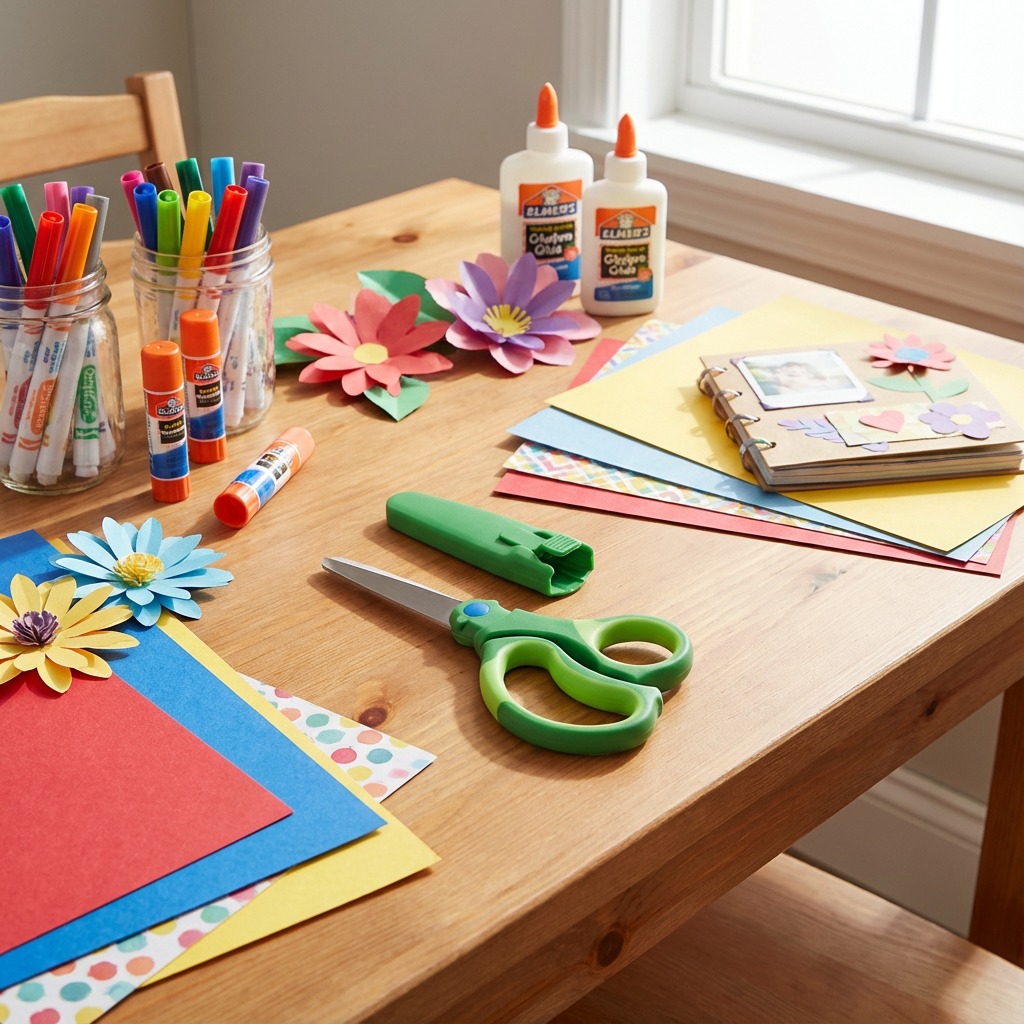
The original product introduction highlights several useful features: rounded tips, soft grips, a protective safety cover and durable stainless steel blades. Those details are a good starting point, but responsible selection should also consider packaging, labeling, handle fit, blade alignment, supplier communication and intended use. Children should always use scissors with adult guidance, especially when first learning to cut.
Key Takeaways
- Choose children safety scissors by age range, hand size, cutting task and supervision level.
- Rounded tips and a blade cover can reduce handling risks when the scissors are stored or carried.
- Soft grips can improve comfort, but buyers should check fit for both left- and right-hand use if needed.
- Wholesale and OEM buyers should ask suppliers for samples, packaging options and applicable safety documentation before ordering.
What Makes 5 Inch Children Safety Scissors Different?
Unlike general-purpose scissors, children safety scissors are intended for controlled cutting tasks rather than heavy-duty use. The 5 inch format is typically suitable for classroom projects, paper crafts, scrapbooking practice and basic art activities. A shorter blade can make it easier for children to learn open-and-close cutting movements without overreaching.
Safety features matter because children are still developing hand strength and coordination. Rounded tips help reduce the chance of accidental poking, while a protective sheath keeps the blades covered when the scissors are not in use. Soft grip handles can make the tool easier to hold during repeated cutting activities. However, no design removes the need for instruction. Teachers, parents and caregivers should explain how to carry scissors, how to pass them to another person and where to store them after use.
Design Features to Review Before Buying
When assessing a children scissors product, start with the basics rather than appearance alone. The blades should open and close smoothly without feeling loose or overly tight. The handle should allow a natural grip, and the finger holes should not pinch. If the product includes a safety cover, check that it fits securely enough for storage but is not so difficult that children or teachers struggle to remove it.
The original article mentions stainless steel blades, rounded tips, soft grips and a protective sheath. These are useful features for school and craft environments. Still, buyers should confirm exact materials, finish, dimensions, handle colors and packaging details with the supplier instead of assuming every batch or variation is identical. If the scissors are intended for a specific market, ask what labeling, warnings and documentation can be provided.
Comparison Checklist for Product Selection
| Selection Point | Why It Matters | Questions to Ask a Supplier |
|---|---|---|
| Blade tip design | Rounded tips are more suitable for young users than pointed tips. | Are the tips rounded on all production versions? |
| Blade material | Material affects cutting feel, durability and care requirements. | What blade material is used, and can it be confirmed in writing? |
| Handle comfort | Soft grips may reduce hand fatigue during classroom use. | What handle materials and colors are available? |
| Safety cover | A sheath helps protect blades during storage and transport. | Is a cover included as standard or optional? |
| Packaging | Retail, classroom and wholesale channels may need different packs. | Can you provide individual, bulk or OEM packaging? |
| Compliance support | Importers may need documents for their target market. | What test reports or certificates are available for review? |
Use Cases: Classroom, Home Craft and Retail Packs
For schools, durability and easy storage are important. Teachers may prefer scissors that are simple to distribute, collect and count after activities. Safety covers can be helpful when sets are stored in bins or craft carts. Color options may also support classroom organization, but color should not be the main buying criterion.
For home use, parents often look for a manageable first pair of scissors for paper crafts, greeting cards and supervised creative play. A 5 inch children safety scissors design is usually easier to control than longer office scissors. The user should still cut only suitable materials and avoid forcing the blade through thick plastic, heavy cardboard or wire.
For retailers and distributors, product presentation matters, but accuracy matters more. Listings should clearly state that the product is for children’s craft or school use and should include supervision guidance. Avoid overstating performance. If a product is not designed for fabric, food, metal or industrial materials, do not market it that way.
OEM and Wholesale Sourcing Guidance
When the purchase involves OEM scissors, private label packaging or wholesale supply, evaluate the supplier through samples and written specifications. Do not rely only on photos. Ask for a pre-production sample if you plan to customize handle colors, packaging, logo placement or sets. Confirm whether the safety cover is included, whether artwork templates are available and whether packaging text can be adjusted for your market.
Useful sourcing questions include:
- What are the exact dimensions and weight of the 5 inch scissors?
- What materials are used for the blades, handles and safety cover?
- Can you provide product samples before bulk ordering?
- What packaging formats are available for retail, school supply or bulk distribution?
- What documents can you provide for the destination market?
- How is quality checked for blade alignment, handle finish and cover fit?
- What are the lead time, carton details and order terms?
These questions help buyers compare suppliers fairly without making assumptions about capacity, certifications or pricing. If compliance is important for your channel, consult the regulations of the country or region where the product will be sold and request supporting documents from the supplier.
Care, Storage and Safe Use Tips
Children safety scissors last longer and stay safer when they are used correctly. Keep them clean and dry after craft sessions, especially if they cut glue-backed paper or tape. Do not use them on materials that are too thick for the blade, because forcing the cut can bend the scissors or cause a child to lose control. Store each pair with the blades closed and the safety cover attached when available.
Adults should teach simple habits: sit down while cutting, keep fingers away from the blade path, carry scissors with blades closed and never run with scissors. For group activities, set up a collection point so tools are returned after use. Replace scissors that become loose, cracked, rusty or difficult to open and close.
FAQ
Are 5 inch children safety scissors suitable for all ages?
No. Suitability depends on the child’s age, hand size, coordination and supervision. Always follow the supplier’s age guidance and local safety requirements.
Can these scissors cut fabric?
The original article mentions use on lightweight fabrics, but buyers should confirm the intended cutting materials with the supplier. For regular fabric cutting, a dedicated fabric scissor may be more appropriate.
Why is a safety cover useful?
A cover helps shield the blades when the scissors are stored in a pencil case, craft box or classroom bin. It is an added storage feature, not a replacement for supervision.
What should OEM buyers verify before placing an order?
Verify samples, materials, packaging, labeling, documentation, quality checks, lead time and carton information. If selling in a regulated market, request relevant compliance support before confirming production.
How should children safety scissors be maintained?
Wipe off paper dust, glue or tape residue after use, keep the scissors dry, store them closed and covered, and remove damaged pairs from use.
