




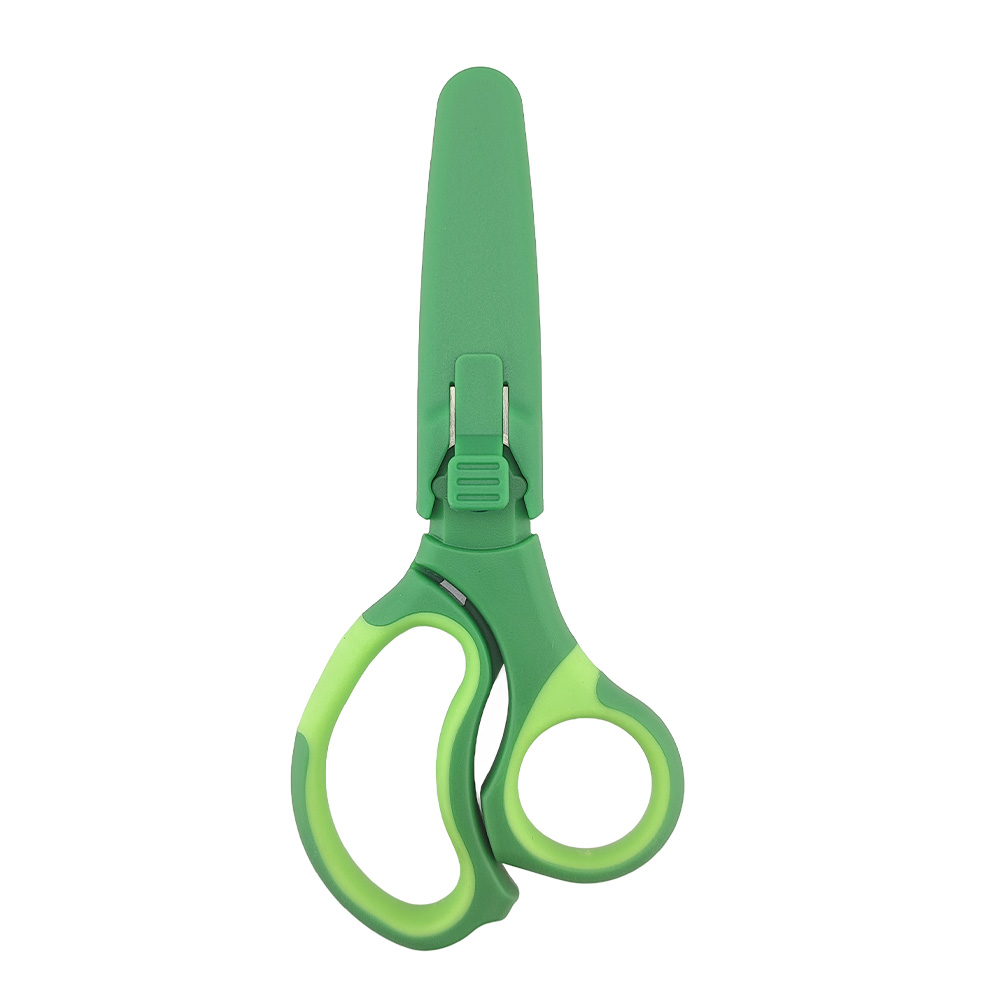
Children Safety Scissors: Safe Creativity for Kids
Children safety scissors are small tools with a serious job: they help children practice cutting, crafting and classroom tasks while reducing avoidable risk. For parents, teachers, stationery retailers and OEM buyers, the best choice is not simply the brightest handle color or the lowest unit cost. It is the product that matches the age group, cutting task, storage method and quality expectations of the intended market.
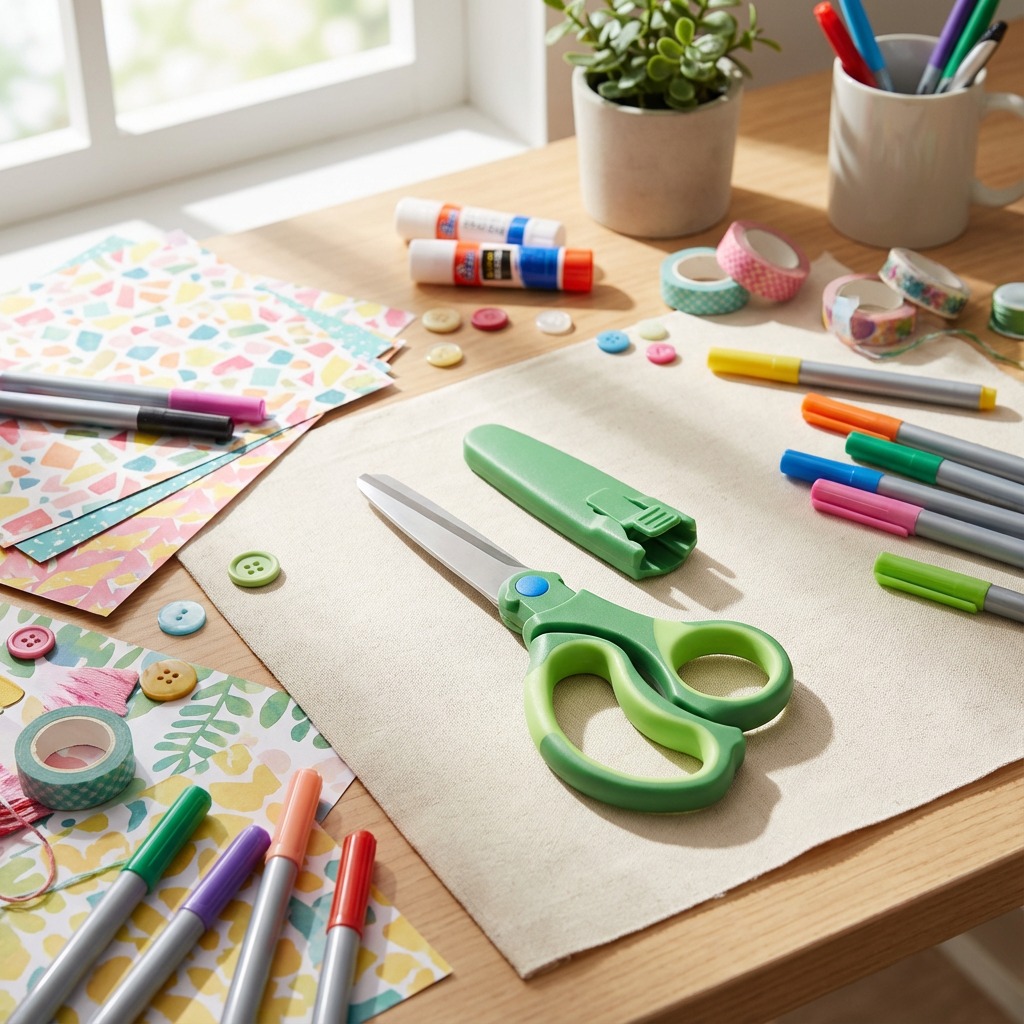
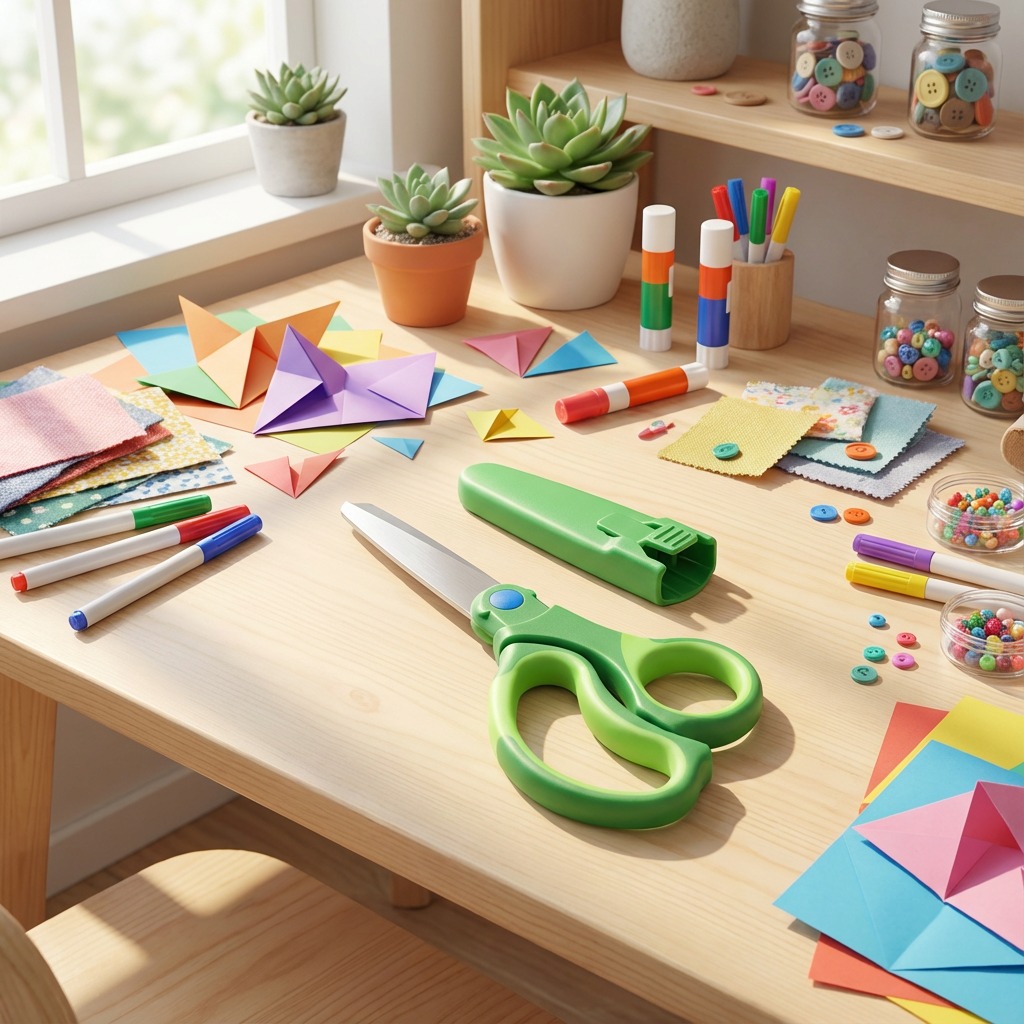
The original product description highlights several useful features: rounded tips, easy-grip handles, stainless steel blades, a green handle option and a protective safety cover. Those details make the product relevant for school projects, home art sessions and bulk educational purchasing. This rewritten guide focuses on how to evaluate such scissors before placing an order or adding them to a product range.
Key Takeaways
- Children safety scissors should be selected by age group, cutting task and supervision level.
- Rounded tips, easy-grip handles and a protective cover can improve everyday handling and storage.
- For OEM or wholesale sourcing, buyers should request samples, packaging details and written specifications before confirming an order.
- Do not assume compliance, material grade, MOQ or testing results unless the supplier provides documented confirmation.
What Makes Children Safety Scissors Different?
Standard household scissors are designed for general cutting performance, not for beginner hands. Children safety scissors usually prioritize controlled cutting, easier grip and reduced exposure to sharp points. Rounded tips are especially important because children may move quickly, pass tools across a desk or carry them in a pencil case. A blade cover adds another layer of storage safety when scissors are placed in backpacks, craft boxes or classroom supply bins.
Safety does not mean the scissors should be unusable. If the blades cannot cut paper cleanly, children may apply extra force, twist their wrists or become frustrated. A good pair should cut common classroom materials such as paper and light craft sheets with reasonable control. If you need performance on thicker card, yarn or fabric, confirm suitability with the supplier and test samples under real use conditions.
How to Evaluate the Handle and Grip
The handle is where children interact most with the tool. The original article mentions easy-grip and ergonomic handles, including a green color option. For sourcing decisions, look beyond color and ask how the handle fits different hand sizes. A kindergarten child and an older primary school student may need different ring sizes or grip shapes.
When reviewing a sample, check whether the handle edges feel smooth, whether fingers sit comfortably in the loops and whether the scissors open and close without stiffness. A non-slip feel can help children maintain control, but buyers should avoid making performance claims unless they have test results or supplier documentation to support them.
Blade Design, Rounded Tips and Covers
The source text describes stainless steel blades with blunt or rounded characteristics and a protective cover. Stainless steel is commonly valued for corrosion resistance and everyday durability, but buyers should still ask the supplier to confirm the exact material description used in quotations, labels and product pages. The wording on packaging should match the actual product specification.
Rounded tips help reduce puncture risk, while the cutting edge must still be functional for paper-based activities. A cover is useful for transport and storage, but it should fit securely enough that it does not fall off inside a bag. During sample review, open and close the cover several times and check whether children can remove it without touching the blade edge.
Comparison Checklist for Buyers
| Evaluation Point | What to Check | Questions to Ask the Supplier |
|---|---|---|
| Age suitability | Handle size, blade length and opening force | Which age range is this model intended for? |
| Tip design | Rounded or blunt tips with no sharp protrusions | Can you provide close-up photos or samples? |
| Blade material | Material description matches quotation and packaging | What blade material is used, and how is it stated? |
| Protective cover | Cover fits securely and is easy to remove safely | Is the cover included as standard or optional? |
| OEM options | Color, packaging, logo and labeling possibilities | What customization options, MOQ and lead time apply? |
| Quality checks | Cutting consistency, handle finish and assembly | What inspection process is used before shipment? |
OEM and Wholesale Sourcing Guidance
For schools, distributors, stationery brands and promotional buyers, children safety scissors are often purchased in quantity. OEM scissors can be customized, but customization should be managed carefully. Ask which elements can be changed: handle color, cover color, packaging artwork, barcode placement, logo printing or carton labeling. Do not assume that every change is available for every order size.
Before placing a bulk order, request physical samples from the same production route intended for mass production. Review the sample with the people who will actually use or sell the scissors. A procurement team may focus on cost and packaging, while teachers may notice grip comfort, opening force and classroom storage issues. Retail buyers may also need hang holes, blister cards or shelf-ready packaging, depending on the sales channel.
Commercial details should be confirmed directly with the supplier. Important questions include minimum order quantity, sample cost, lead time, packaging options, payment terms, inspection standards and export documentation. If your market requires specific safety or chemical compliance documentation, ask for current certificates or test reports and verify that they apply to the exact model being purchased.
Practical Use and Care Tips
Even safety scissors should be used with clear rules. Children should cut while seated, keep the blade pointed away from the body and pass scissors handle-first. Teachers and parents can reduce lost covers by assigning each pair to a kit or labeled storage cup. If the scissors are used for glue-heavy craft work, wipe the blades after activity so residue does not affect cutting.
- Choose the right model for the child’s age and hand size.
- Use scissors only on suitable craft materials unless the supplier confirms broader use.
- Store the scissors with the cover attached when not in use.
- Inspect handles, rivets and blade edges regularly in classroom environments.
- Replace damaged scissors rather than trying to repair loose or cracked parts.
FAQ
Are children safety scissors completely risk-free?
No. They are designed to reduce common risks, not remove the need for supervision. Children should still learn safe carrying, cutting and storage habits.
What materials should children safety scissors cut?
They are typically used for paper and light craft materials. If you need to cut card, fabric or other materials, test samples first and confirm the intended use with the supplier.
Is a protective cover necessary?
A cover is very helpful for backpacks, classroom bins and home craft boxes. It protects the blade area during storage and can reduce accidental contact when the scissors are not in use.
What should OEM buyers confirm before ordering?
Confirm the exact product specification, customization options, packaging, MOQ, lead time, inspection process and any compliance documents required for your market.
Can handle color be customized?
Many OEM programs may offer color options, and the original article mentions a green handle. Buyers should ask the supplier which colors are available and whether custom colors require a minimum order.
Final Thoughts
Children safety scissors are simple products, but the sourcing decision benefits from careful review. Rounded tips, easy-grip handles, stainless steel blades and a protective cover are all useful features when they match the intended age group and use case. For OEM, wholesale or school purchasing, the best approach is to compare samples, ask precise supplier questions and confirm every commercial and compliance detail in writing before production.
