




Children Safety Scissors: A Practical Guide for Safe Crafting and OEM Sourcing
Children safety scissors are small tools with an important job: helping young users practice cutting, crafting, and classroom tasks with lower risk than standard scissors. For parents, teachers, school-supply buyers, craft-kit brands, and wholesale distributors, the goal is not simply to find a colorful product. The right choice depends on age suitability, blade design, handle comfort, storage protection, packaging, and the reliability of the supplier behind the item.
This guide explains what to review before buying or sourcing children safety scissors, including OEM scissors options, factory scissors manufacturing questions, and safety cover scissors for kids. It avoids assumptions about a specific supplier’s capacity or certifications; instead, it gives practical checks that buyers can use during product evaluation.
Key Takeaways
- Match scissors to the user’s age, hand size, and cutting task before comparing price.
- Look for safety-focused details such as rounded tips, controlled blade exposure, and a protective cover when needed.
- For OEM projects, confirm materials, packaging, artwork, labeling, samples, lead times, and inspection standards in writing.
- Ask suppliers for relevant test reports or compliance documents instead of assuming a product meets your market’s rules.
What Makes Children Safety Scissors Different?
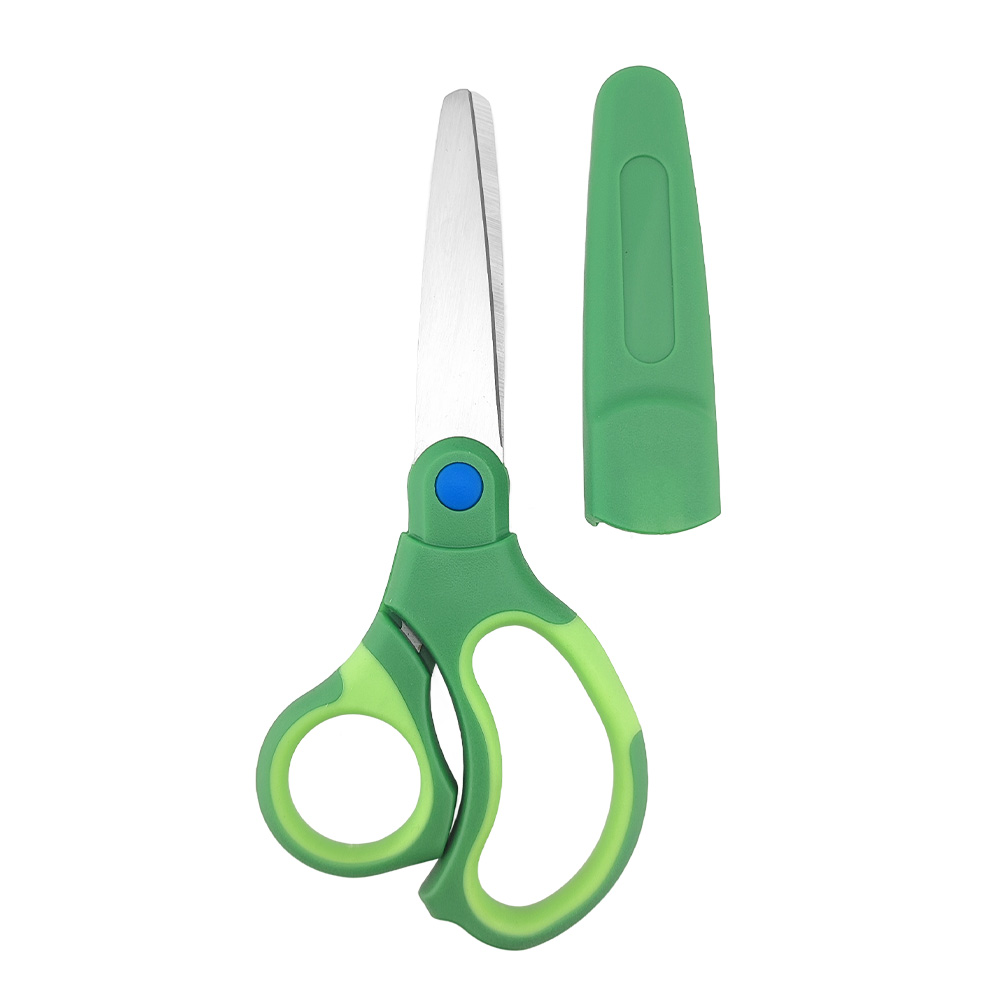
Unlike general-purpose scissors, children safety scissors are designed for early learning environments such as preschools, classrooms, home craft tables, and activity kits. Common safety-oriented characteristics may include rounded tips, shorter blades, blunt or less aggressive cutting edges, and larger handles that are easier for small hands to grip. Some versions also include a safety cover that shields the blades during storage or transport.
The main purpose is controlled cutting. A good pair should cut paper or lightweight craft materials well enough to avoid frustration, but not feel overly sharp or oversized for the child. If the scissors are too dull, children may apply excessive force or twist their wrists, which can create another type of risk. If they are too sharp or too long, they may not be suitable for younger users.
Choosing by Age, Skill Level, and Use Case
Selection should begin with the intended user and setting. A preschool classroom may need simple, durable scissors for supervised paper cutting. A school-supply retail pack may need broader appeal, attractive colors, and clear labeling. A craft-kit brand may need scissors that fit inside a box, match a theme, and cut the specific materials included in the kit.
Before ordering, test scissors with the actual materials you expect users to cut. Paper, thin card, foam sheets, yarn, felt, and fabric can behave differently. The original article mentions suitability for paper and fabric, but buyers should verify the final product’s performance by sample testing rather than relying on a generic description.
Feature Comparison and Buyer Checklist
| Feature to Review | Why It Matters | Questions to Ask a Supplier |
|---|---|---|
| Tip shape | Rounded tips can reduce accidental pokes during supervised use. | Are the tips rounded, and can you provide close-up sample photos? |
| Blade edge | The edge should cut intended materials without encouraging excessive force. | What materials are the scissors designed to cut in normal use? |
| Handle design | Comfort affects control, especially for small hands or repeated classroom use. | What handle sizes, colors, or ergonomic options are available? |
| Safety cover | A cover helps protect blades in pencil cases, kits, or retail packs. | Is a removable cover included, optional, or customizable? |
| Packaging and labeling | Retail and school orders often require clear age guidance and warnings. | Can packaging artwork, barcode placement, and warning text be customized? |
| Quality inspection | Consistent assembly reduces complaints and returns. | What inspection steps are used before shipment, and can a sample be reviewed? |
OEM Scissors: Customization Without Guesswork
OEM scissors projects can involve handle colors, logo placement, packaging design, blade length, cover style, or bundled sets. Customization is useful for school brands, promotional education kits, stationery wholesalers, and craft product companies. However, an OEM project should be managed with a clear specification sheet rather than broad descriptions such as “kid friendly” or “safe.”
Ask the supplier to confirm the exact product dimensions, materials, color references, printing method, packaging format, carton details, sample approval process, and production lead time. If the product will be sold in a regulated market, request documentation relevant to that destination. Do not assume that a design is compliant because it is intended for children. Compliance requirements vary by country, age group, and product category.
Factory Scissors Manufacturing: What B2B Buyers Should Verify
When sourcing from a factory or manufacturing partner, evaluate both the product and the process. The original article refers to factory scissors manufacturing and attention to detail, but buyers should still verify how consistency is controlled. Important areas include raw material confirmation, blade forming, handle molding, assembly, cover fitting, visual inspection, packaging inspection, and final shipment checks.
For larger orders, consider asking for pre-production samples, signed approval samples, in-line inspection options, and final random inspection reports. If the supplier claims specific materials, certifications, or test results, request documents that match the exact model being purchased. If the order involves private labeling, confirm who is responsible for artwork accuracy, warning statements, and market-specific labeling.
Safety Cover Scissors for Kids: When a Cover Helps
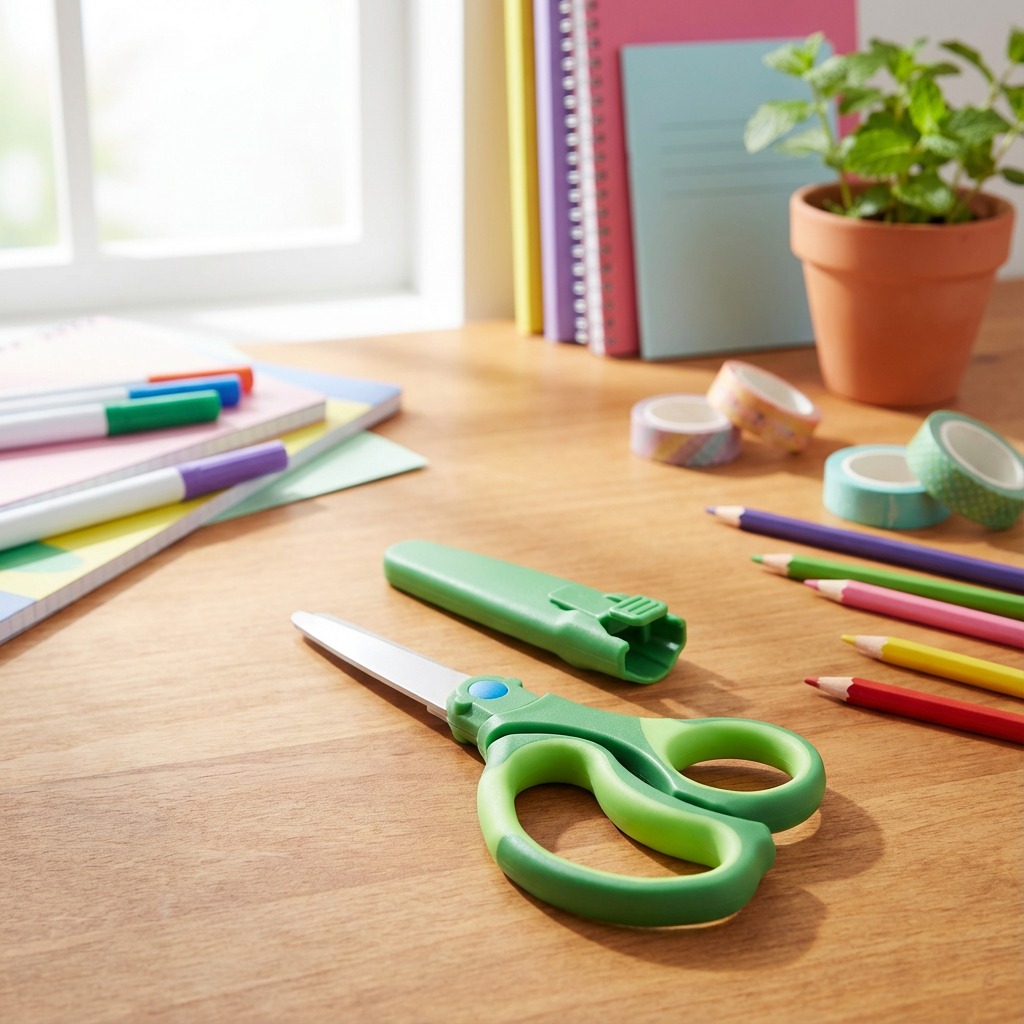
Safety cover scissors for kids are especially useful when the product will be stored in school bags, pencil cases, classroom bins, or craft kits. A cover can reduce contact with the blade edges while the scissors are not in use. It can also keep the product cleaner during storage and make the item easier to pack with other craft supplies.
Check that the cover fits securely but is not so tight that a child or teacher must struggle to remove it. For younger children, adult supervision is still important. A cover is a storage aid, not a replacement for safe handling, proper instruction, and age-appropriate use.
Use, Care, and Storage Tips
- Introduce scissors with a short demonstration: hold, pass, cut, and store them safely.
- Use the scissors only on recommended craft materials; avoid hard plastic, metal, or thick cardboard unless approved by the supplier.
- Wipe blades after messy craft activities and dry them before storage.
- Store scissors with the cover attached or in a closed classroom container.
- Replace damaged scissors if the blades loosen, the handle cracks, or the cover no longer fits.
Practical FAQ
Are children safety scissors suitable for toddlers?
Some scissors are designed for very young users, but suitability depends on the model, the child’s motor skills, and adult supervision. Buyers should check the supplier’s recommended age range and request labeling guidance for the target market.
Can OEM scissors include custom colors and packaging?
Many suppliers can discuss color, handle, cover, logo, and packaging options. Confirm what is available for the exact model and ask about samples, artwork requirements, lead times, and any minimum order conditions.
What should schools or distributors test before bulk ordering?
Test comfort, cutting performance, cover fit, packaging durability, and consistency across samples. Also review warning labels and any documentation required for your sales region.
Do safety covers make scissors completely safe?
No. A safety cover helps during storage and transport, but children still need instruction and supervision when cutting. The product should match the user’s age and the intended activity.
What information should be included in a purchase inquiry?
Include target age, intended materials, quantity range, packaging needs, destination market, branding requirements, and any compliance documents you need the supplier to provide.
Final Sourcing Advice
Children safety scissors should be reviewed as both a learning tool and a sourced product. For consumer use, focus on fit, control, cutting task, and safe storage. For B2B sourcing, focus on specifications, samples, quality checks, and documentation. Clear questions at the beginning of the process reduce misunderstandings later and help buyers choose scissors that are practical for classrooms, craft kits, retail shelves, and everyday supervised use.
