




China Cloth Scissors Factory: Practical Sourcing Guide for Buyers
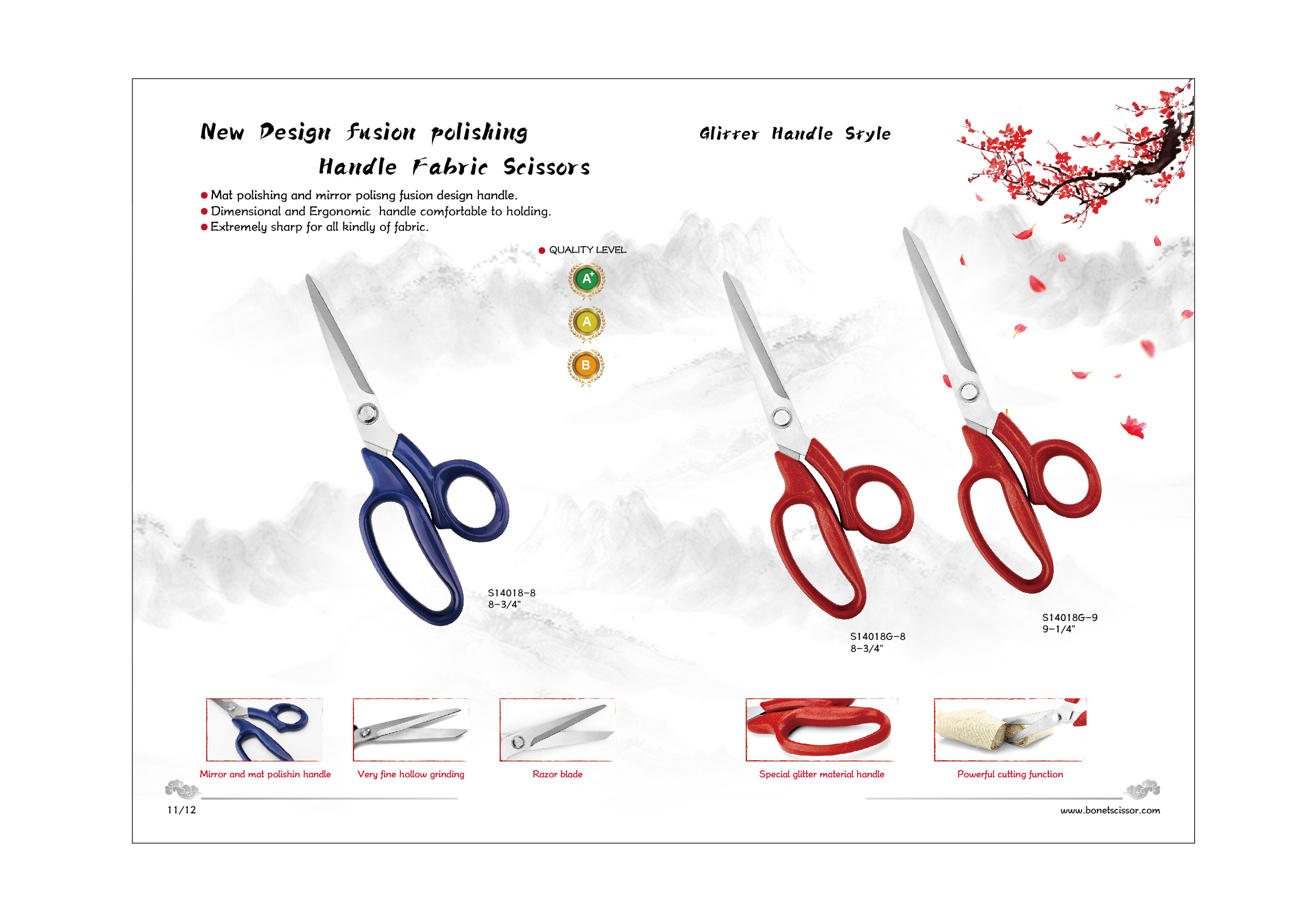
For sewing brands, fabric tool distributors, craft retailers, and tailoring supply buyers, cloth scissors are not a simple commodity purchase. A pair that looks acceptable in a photo may perform very differently when cutting layered cotton, slippery lining, denim, or long pattern pieces. That is why many buyers compare options from a China cloth scissors factory with attention to design, blade finish, hand comfort, packaging, and quality consistency.
The original product information highlights several useful features: new design cloth scissors, a fusion polishing handle with mirror and mat finishes, blue or red glitter handle options, very fine hollow grinding for sharp edges, and size options such as 8-3/4 inch and 9-1/4 inch. These details can help start a sourcing conversation, but a professional buyer should still verify samples, production details, and commercial terms before placing an OEM, wholesale, or repeat order.
Key Takeaways
- Evaluate cloth scissors by cutting performance, blade consistency, handle comfort, and finishing quality, not only by appearance.
- Ask the supplier to confirm available sizes, handle colors, packaging options, branding methods, and sample lead time.
- Do not assume steel grade, certification, MOQ, or testing results unless the factory provides written documentation.
- For OEM or wholesale sourcing, create a clear inspection checklist before approving bulk production.
What Buyers Should Look for in Cloth Scissors
Cloth scissors are designed for fabric cutting, so the blade edge and alignment are central to performance. A good sample should open and close smoothly, cut from the base of the blade to the tip, and leave a clean fabric edge without chewing or pushing the material. If the scissors are intended for tailors or sewing professionals, comfort during repeated use matters as much as first-cut sharpness.
The source article mentions a very fine hollow grinding process intended to create a sharp edge. When discussing this with a supplier, ask how the edge is finished, how sharpness is checked, and whether the same process is used for mass production samples and bulk goods. If a supplier uses different production lines for different price levels, clarify which version your quotation covers.
Design Features: Handle Finish, Color, and Ergonomics
Visual design can support retail differentiation, especially for sewing kits, craft displays, and branded gift sets. The product described in the original article includes a fusion polishing handle that combines mirror and mat finishes, with blue or red glitter material options. These features can make the scissors more recognizable on a shelf or in an online product listing.
However, buyers should test more than appearance. Ask several users to grip the sample and complete repeated cutting tasks. Check whether the handle edges feel smooth, whether the finger openings fit the intended user group, and whether the finish remains clean after handling. For private label buyers, it is also worth asking where a logo can be placed, what decoration methods are available, and whether artwork approval is required before production.
Size Selection for Wholesale and Retail Programs
The original product details mention 8-3/4 inch and 9-1/4 inch size options. These sizes are suitable to discuss for tailoring, dressmaking, and general fabric cutting, but buyers should match the size mix to the target market. A sewing enthusiast may prefer a lighter pair for home use, while a tailoring shop may want a larger tool for long, straight cuts on folded fabric.
Before confirming an assortment, request actual measurements and sample weights from the supplier. Product titles can vary between factories, and inch sizes may be rounded. If you sell through e-commerce channels, accurate size and weight data also help reduce returns caused by unclear expectations.
Comparison Checklist for Supplier Evaluation
Use a structured table when comparing samples from multiple factories or product lines. This keeps the decision focused on measurable details rather than only price.
| Evaluation Point | What to Check | Questions to Ask the Supplier |
|---|---|---|
| Cutting performance | Clean cuts on light, medium, and heavier fabrics | How is sharpness checked before shipment? |
| Blade finish | Smooth edge, good alignment, no visible burrs | Is the same grinding process used for bulk production? |
| Handle comfort | Grip feel during repeated cutting | Are handle colors and finishes customizable? |
| Size options | Actual length, weight, and balance | Can you confirm specifications for 8-3/4 inch and 9-1/4 inch versions? |
| Packaging | Retail card, box, sleeve, or custom packaging needs | What packaging options are available for wholesale orders? |
| Quality control | Consistency between samples and bulk goods | What inspection steps are performed before delivery? |
OEM, Wholesale, and Factory Questions to Ask
When sourcing from a China cloth scissors factory or trading supplier, clear questions reduce misunderstandings. Do not rely only on catalog claims. Ask for written confirmation of the product version, available customization, and order terms.
- Can you provide pre-production samples for approval before bulk manufacturing?
- What blade material is used, and can you provide documentation if a specific grade is required?
- Which handle colors are currently available, including blue and red glitter options?
- Can the handle finish combine mirror and mat effects as shown in the sample?
- What are the available sizes, and what are the exact measurements and weights?
- What branding, label, and packaging options can be quoted?
- What is the MOQ for standard goods and for customized packaging or branding?
- What quality checks are included, and can third-party inspection be arranged if needed?
These questions do not assume capacity, certifications, prices, or lead times. They help the buyer collect the facts needed for an informed sourcing decision.
How to Test Samples Before Ordering
A sample review should simulate real use. Cut long straight lines, curves, small notches, and layered fabric. Include different materials if your customers work with a broad range of textiles. After testing, examine whether the blades remain aligned and whether the handle is still comfortable.
For a B2B order, keep one approved sample sealed and labeled as the reference standard. If possible, define acceptable tolerances for appearance, logo placement, packaging, and cutting performance. This makes communication easier if a later shipment differs from the approved sample.
Practical FAQ
Are cloth scissors and general household scissors the same?
No. Cloth scissors are intended for fabric cutting and should be evaluated for blade sharpness, alignment, and smooth cutting through textiles. General household scissors may not perform well on fabric over time.
What sizes are mentioned for this product?
The original product information mentions 8-3/4 inch and 9-1/4 inch options. Buyers should ask the supplier to confirm exact dimensions, weight, and packaging size before ordering.
Can I request OEM branding from a factory?
Many suppliers may offer branding or packaging services, but the available methods, MOQ, cost, and artwork requirements must be confirmed directly with the supplier.
How should I judge whether the scissors are sharp enough?
Test the sample on the types of fabric your customers use. The scissors should cut cleanly from heel to tip without snagging, folding, or fraying the fabric edge excessively.
What information should not be assumed from a product photo?
Do not assume steel grade, certifications, test results, production capacity, MOQ, or delivery time from a photo. Request written details and keep approved samples for reference.
Final Thoughts for Sourcing Cloth Scissors
A China cloth scissors factory can be a useful sourcing option for buyers seeking new handle designs, sharp fabric cutting tools, and wholesale or OEM programs. The best results come from disciplined sample testing, clear specifications, and careful supplier questions. Focus on verified performance, documented product details, and consistent production rather than broad marketing claims. That approach helps buyers select cloth scissors that fit their market and reduce sourcing risk.
