




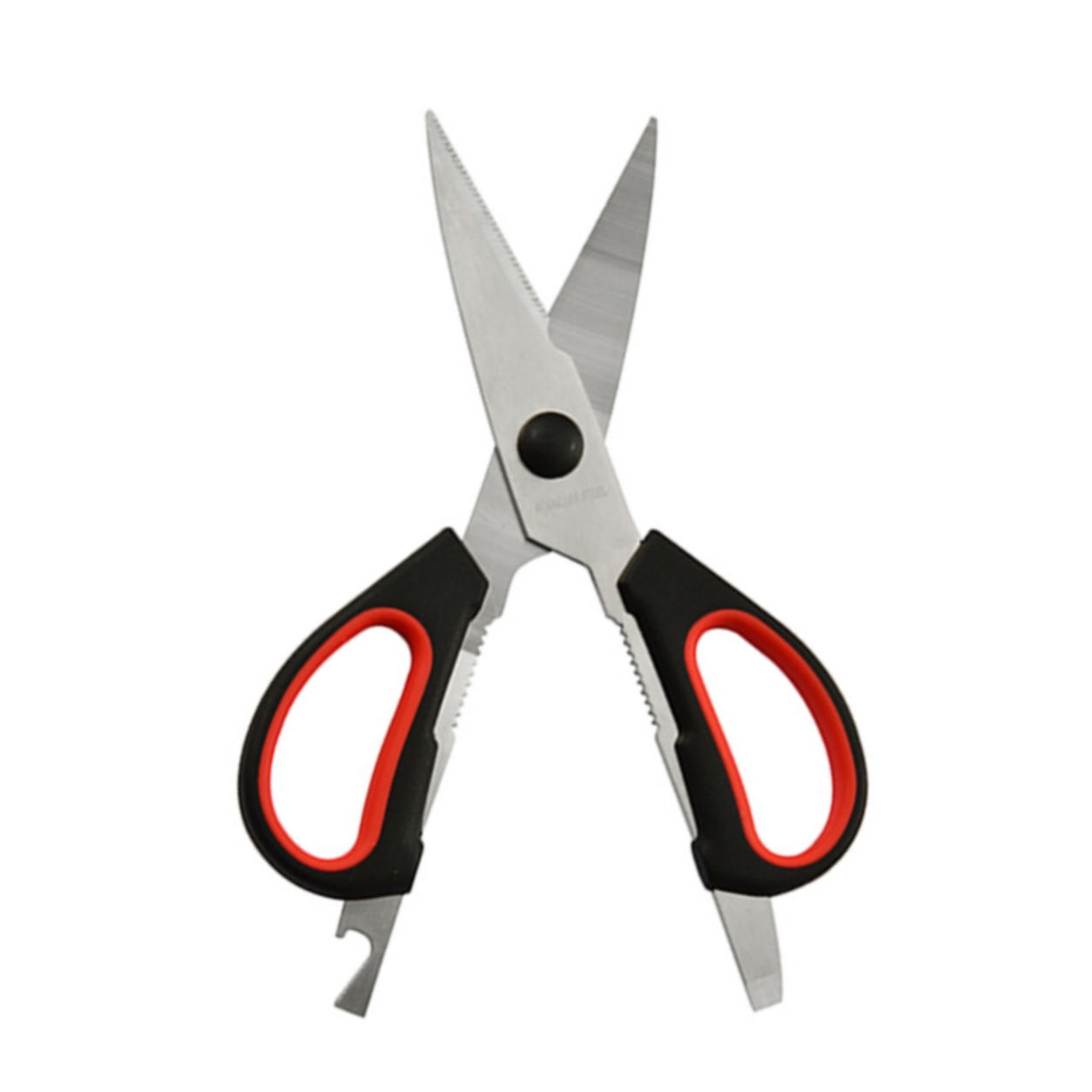
China OEM Scissors Factory: Crafting Premier Kitchen Shears
Kitchen scissors are a small tool with a large role in food preparation, retail kitchenware assortments, promotional gift sets and private-label product lines. For importers, brand owners and wholesalers, working with a China OEM scissors factory can be a practical way to develop kitchen shears that match a target market, packaging plan and price position. The key is not simply finding a factory that can make scissors, but identifying a supplier that understands blade performance, hand comfort, finishing consistency and export communication.
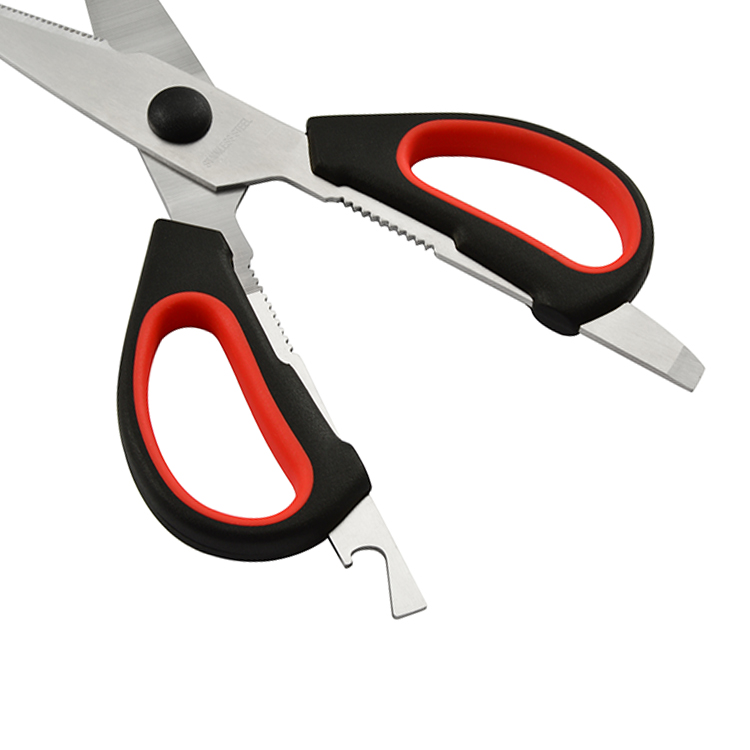
The original article highlighted several useful sourcing themes: quality materials, ergonomic handle design, OEM cooperation and multi-functional shears with features such as serrated edges, a bottle opener or a nutcracker. This rewritten guide expands those ideas into a practical checklist for B2B buyers evaluating kitchen scissors suppliers.
Key Takeaways
- Assess a scissors factory by sample quality, production communication, customization options and quality-control process, not by price alone.
- Confirm material, blade hardness, surface treatment, handle material, packaging and compliance requirements before placing an OEM order.
- Multi-functional kitchen shears can add value, but every added feature should be tested for usability, durability and cleaning convenience.
- Ask clear questions about tooling, artwork handling, inspection standards and lead times because these details vary by supplier.
What Defines a Strong Kitchen Scissors Manufacturer?
A dependable kitchen scissors manufacturer should be able to explain how its products are designed, produced and inspected. Buyers often focus first on blade appearance, but a good pair of shears depends on several connected details: steel selection, blade grinding, pivot alignment, handle molding, finishing, packaging and final inspection. If any one of these steps is poorly controlled, the product can feel loose, cut unevenly or disappoint end users.
When discussing materials, avoid assumptions. If a supplier says the blades are stainless steel, ask for the specific grade, thickness, heat-treatment process and whether the material is suitable for the intended market. If corrosion resistance is important for your customers, request sample testing or documentation that supports the claim. For handle design, ask whether the factory can provide ergonomic options, soft-touch inserts, color matching or existing molds that reduce development cost.
Why OEM Kitchen Scissors Matter for Private Label Buyers
OEM kitchen scissors allow a buyer to sell shears under a private brand while relying on the supplier’s manufacturing resources. This can be useful for kitchenware distributors, supermarket programs, online sellers, restaurant-supply companies and gift-set assemblers. OEM cooperation may include logo printing, handle color customization, card or blister packaging, barcode labels, instruction inserts and carton marking.
The best results come when the buyer provides a clear brief rather than a vague request for “good quality.” Include target users, retail channel, expected cutting tasks, packaging format, estimated order quantity, market requirements and budget level. A factory can then recommend whether an existing model is appropriate or whether a modified design is needed. If a new mold, new blade profile or special packaging is required, ask about tooling cost, sample timing and ownership of custom artwork or molds.
Design Features to Evaluate Before Ordering
Modern kitchen shears are often promoted as multi-functional tools. Some models include serrated sections for tougher cutting, integrated bottle openers or nutcracker-style handle features. These additions can be useful, but they should not compromise the basic function of clean cutting. A buyer should evaluate whether the scissors cut poultry skin, herbs, packaging, twine or vegetables according to the intended use case.
Pay attention to the pivot area. If the two blades do not align well, cutting performance can vary from the tip to the base. Check whether the scissors can be separated for cleaning, if that is part of the design, and ask whether the factory has cleaning or care instructions suitable for packaging. For consumer-facing markets, clear use-and-care guidance can reduce complaints and help customers understand what the tool is designed to do.
Supplier Comparison Checklist
| Evaluation Area | What to Check | Questions to Ask the Supplier |
|---|---|---|
| Blade material | Steel type, thickness, finish and corrosion resistance expectations | What material grade is used, and can you provide supporting documentation? |
| Cutting performance | Smooth opening, blade alignment, edge sharpness and cutting consistency | What in-process and final inspections are used for sharpness and alignment? |
| Handle design | Grip comfort, color options, mold quality and left/right-hand usability | Can existing handle molds be customized with color or logo? |
| OEM branding | Logo method, packaging artwork, labels and carton marks | What file formats and approval steps are required for branded packaging? |
| Commercial terms | MOQ, lead time, sample cost, tooling cost and payment terms | What are the current terms for this model and for customized versions? |
Quality Control Points for Importers and Wholesalers
Quality control should begin at the sample stage. Request pre-production samples that reflect the exact material, handle color, logo method and packaging intended for the final order. A showroom sample may look acceptable but differ from mass production if details are not documented. Create an approved sample file with photos, measurements and packaging references.
For larger wholesale orders, buyers may also consider third-party inspection or their own incoming checks. Useful inspection points include blade opening smoothness, screw or rivet tightness, visible burrs, handle defects, logo placement, packaging print accuracy and carton strength. If the product includes a bottle opener, serrated edge or nutcracker function, inspect those functions separately rather than assuming they work because the main blade cuts well.
How to Brief a China OEM Scissors Factory
A clear sourcing brief saves time and reduces misunderstanding. Instead of sending only a product photo, provide structured requirements. This helps the supplier quote more accurately and helps you compare offers fairly.
- Define the sales channel: retail store, online marketplace, food-service supplier, promotional gift or private-label kitchenware line.
- Specify the intended function: general kitchen cutting, poultry preparation, herb cutting, package opening or multi-purpose household use.
- List branding needs: logo position, handle colors, packaging style, barcode, warnings and instruction text.
- Ask for material details: blade material, handle material, finish, thickness and available test or compliance documents.
- Confirm commercial details: sample timing, MOQ, production lead time, packing method and inspection options.
Care and Use Information Buyers Can Include
Even for B2B sourcing, consumer use information matters because it affects returns and reviews. Packaging or inserts can remind users to wash and dry the shears after use, avoid cutting materials beyond the product’s intended scope and store the tool safely. If the scissors are dishwasher safe, corrosion resistant or detachable for cleaning, do not state this unless the supplier confirms it for the exact model and material. Claims should be specific, verifiable and aligned with the market where the product will be sold.
Practical FAQ
What should I ask a China OEM scissors factory before buying?
Ask about material grade, blade thickness, handle material, available molds, logo methods, packaging options, MOQ, sample process, lead time and inspection standards. Request samples before committing to production.
Are multi-functional kitchen shears better than simple scissors?
They can be better for customers who value combined functions such as cutting, opening bottles or cracking nuts. However, the main cutting performance and comfort should still be the priority.
Can a factory customize kitchen scissors for private label?
Many OEM suppliers can support private-label elements such as logos, colors and packaging, but the available options depend on the specific factory and model. Confirm details in writing.
How can buyers reduce quality risk?
Use approved samples, written specifications, packaging proofs and pre-shipment inspection. Compare the production order against the approved sample rather than relying only on catalog images.
What information should be avoided in marketing claims?
Avoid unsupported claims about steel grade, safety certification, dishwasher suitability, antibacterial performance or test results unless the supplier provides evidence for the exact product being sold.
