




Chinese Factory Scissors for Kids: What Buyers Should Check Before Ordering
Chinese factory scissors are widely sourced for homes, classrooms, craft kits, stationery brands, and school supply programs. When the product is intended for children, buyers need to look beyond color and price. Kid scissors should be easy for small hands to control, suitable for basic paper cutting, and designed to reduce the risk of accidental injury during supervised use.

The original appeal of safety scissors is simple: children can practice cutting, crafting, and classroom activities with tools designed around their age and skill level. For importers, wholesalers, and education-supply buyers, the key is to confirm whether a factory can consistently deliver the right design, finish, packaging, and documentation for the target market.
Key Takeaways
- Kid scissors should prioritize controlled cutting, comfortable handling, and safer tip and edge design.
- Do not rely on product photos alone; request samples and check real cutting performance.
- Ask suppliers direct questions about materials, age grading, packaging, quality checks, and applicable compliance documents.
- For OEM or wholesale projects, confirm artwork, carton packing, labeling, and inspection steps before mass production.
Understanding Kid Scissors Designs
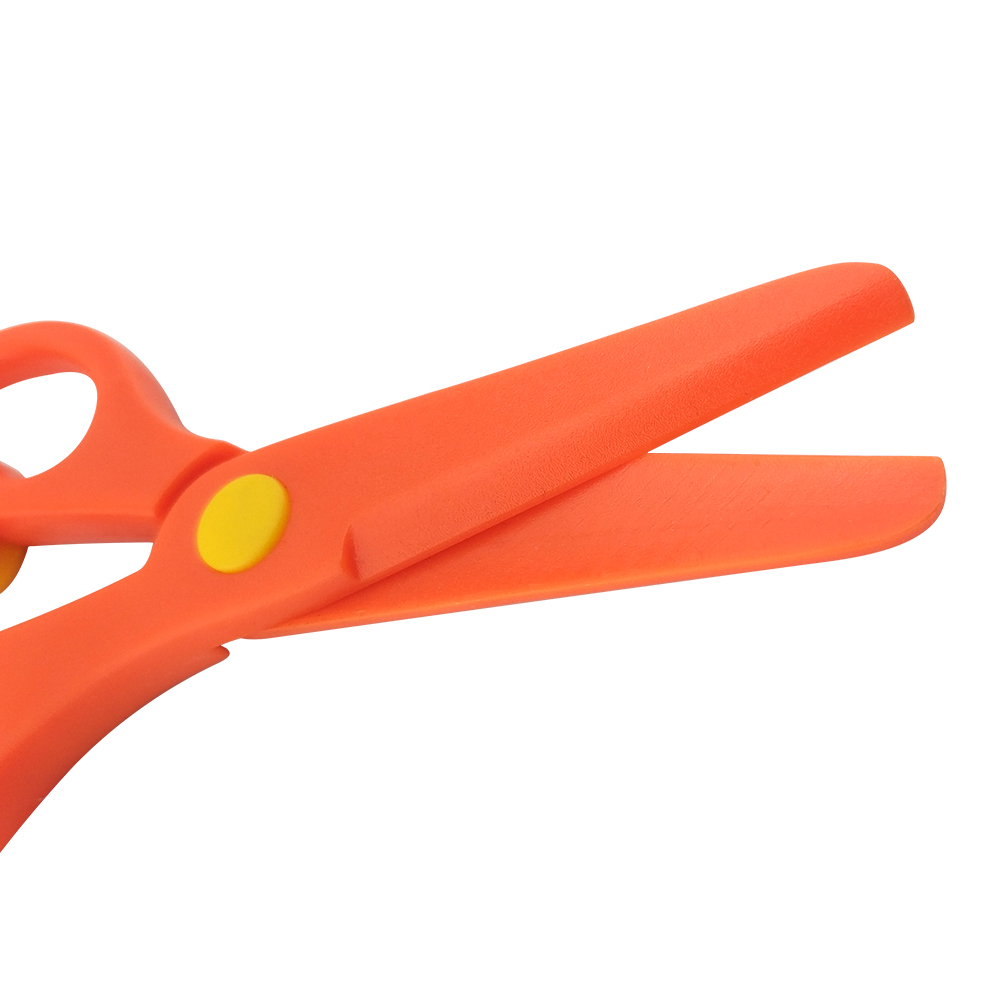
Kid scissors are commonly designed with small handles, lightweight construction, and bright colors that make them appealing for school and craft use. Many safety scissors use blunt tips or rounded edges to reduce the chance of poking injuries. Some designs use plastic blades intended for paper cutting rather than cutting skin or fabric. These features can be useful, but buyers should verify them with a physical sample instead of assuming every item described as “safe” performs the same way.
For younger children, ease of control matters as much as cutting ability. Handles should allow a steady grip without forcing the child’s fingers into an awkward position. If the scissors are too stiff, children may twist their wrists or lose control. If the hinge is too loose, the blades may feel unstable. A balanced sample review should include both adult inspection and supervised trial use with typical paper materials.
Safety Features to Review Before Purchase
Safety scissors for kids are not all identical. A product may have a rounded tip but still feel uncomfortable, or it may be colorful but unsuitable for repeated classroom use. Buyers should create a checklist before contacting a Chinese factory or trading supplier. Important points include:
- Tip shape: check whether the points are blunt, rounded, or otherwise designed to reduce accidental injury.
- Blade design: confirm whether blades are plastic or another material, and what materials they are intended to cut.
- Handle size: compare the handle opening with the intended age range.
- Edge finish: look for burrs, sharp plastic seams, rough molding lines, or loose parts.
- Hinge movement: test whether the scissors open and close smoothly without excessive force.
- Cleaning: ask whether surfaces are easy to wipe after classroom or craft use.
Any claim about safety, testing, or compliance should be backed by documents relevant to the buyer’s destination market. If documentation is not available, treat the product as unverified until further testing or supplier clarification is completed.
Comparison Checklist for Sourcing Chinese Factory Scissors
| Review Area | What to Check | Questions to Ask the Supplier |
|---|---|---|
| Child-friendly design | Small-hand grip, blunt tip, controlled opening and closing | What age range is this design intended for? |
| Cutting performance | Ability to cut paper cleanly without tearing too much | Can you provide samples for paper-cutting tests? |
| Materials | Blade and handle material, surface finish, odor, flexibility | What materials are used, and are material reports available? |
| Quality consistency | Uniform color, smooth edges, stable hinge, no loose pieces | What in-process and final inspection steps are used? |
| Packaging | Retail card, bulk pack, classroom set, labeling space | Can packaging be customized for OEM or wholesale orders? |
| Compliance support | Documents requested by the destination market | Which test reports or declarations can be provided for review? |
Why Buyers Source Kid Scissors from Chinese Factories
China has established manufacturing hubs for stationery, plastic goods, household items, and school supplies. This can make Chinese factory scissors attractive for buyers who need variety, repeat orders, and cost-conscious sourcing. Factories may offer different colors, handle shapes, packaging formats, and OEM branding options, although exact availability depends on the supplier and the specific product line.
For B2B buyers, the main advantage is not simply low unit cost. It is the ability to compare multiple designs, request samples, and build a specification before placing a wholesale order. A professional sourcing process should define product use clearly: preschool craft kits, primary school classrooms, retail stationery shelves, promotional sets, or home art supplies. Each channel may need different packaging, labeling, and durability expectations.
Sample Testing: What to Do Before Mass Production
A sample is the buyer’s first real evidence. When sample scissors arrive, inspect them under normal lighting and use them with ordinary craft paper. Check whether the handles feel comfortable, whether the scissors cut in a controlled way, and whether any edges feel rough. If the product is intended for classrooms, test several pairs rather than only one piece.
- Record the supplier name, sample date, and item reference.
- Photograph the scissors, packaging, hinge, tips, and any markings.
- Cut paper strips, circles, and simple shapes to evaluate control.
- Check for burrs, cracked plastic, color inconsistency, or loose components.
- Share written feedback with the supplier before confirming an order.
If the supplier offers a pre-production sample, compare it with the approved sample. This helps reduce misunderstandings when colors, packaging, or small design details are adjusted for OEM production.
OEM, Wholesale, and Packaging Questions
Buyers planning OEM or wholesale orders should discuss more than the scissors themselves. Packaging affects retail presentation, shipping efficiency, and classroom distribution. Options may include individual packs, multipacks, or bulk cartons, but buyers should confirm what the supplier can actually provide. Artwork files, barcode placement, warning language, and country-of-sale labeling should be reviewed before printing.
Commercial details also need clarification. Instead of assuming a standard MOQ, lead time, or price, ask the supplier for a written quotation based on the exact design, quantity, packaging, and delivery terms. If the order is for a regulated market, ask what documents the supplier can provide and whether third-party testing is required by the buyer’s importer, retailer, or local rules.
Care and Use Guidance for End Users
Even well-designed kid scissors should be used with supervision, especially by younger children. Teachers and parents should explain that scissors are tools, not toys for running, throwing, or cutting unsuitable materials. Store them in a classroom bin, pencil case, or craft drawer when not in use.
For plastic-blade safety scissors, use them mainly on paper unless the supplier states otherwise. Wipe the surfaces after glue-heavy or messy craft sessions. If a pair becomes cracked, unusually loose, or difficult to close, remove it from use. Clear care instructions can reduce complaints and help schools or families get better value from the product.
Practical FAQ
Are Chinese factory scissors suitable for children?
They can be suitable when the design, materials, finish, and documentation match the intended age and market. Buyers should confirm details through samples and supplier communication.
What features matter most for kid scissors?
Look for small-hand comfort, controlled movement, blunt or rounded tips, smooth edges, and cutting performance appropriate for paper crafts.
Should buyers request test reports?
Yes. If the product is sold for children, ask what reports or compliance documents are available for the destination market. Do not treat general safety wording as proof.
Can kid scissors be customized for wholesale orders?
Many suppliers may offer color, packaging, or branding options, but availability depends on the factory. Confirm MOQ, artwork requirements, sample fees, and approval steps in writing.
How should schools use safety scissors?
Use them for supervised paper-cutting activities, store them after class, and remove any damaged scissors from circulation.
