




Choosing the Best Fabric Scissors Manufacturer Today
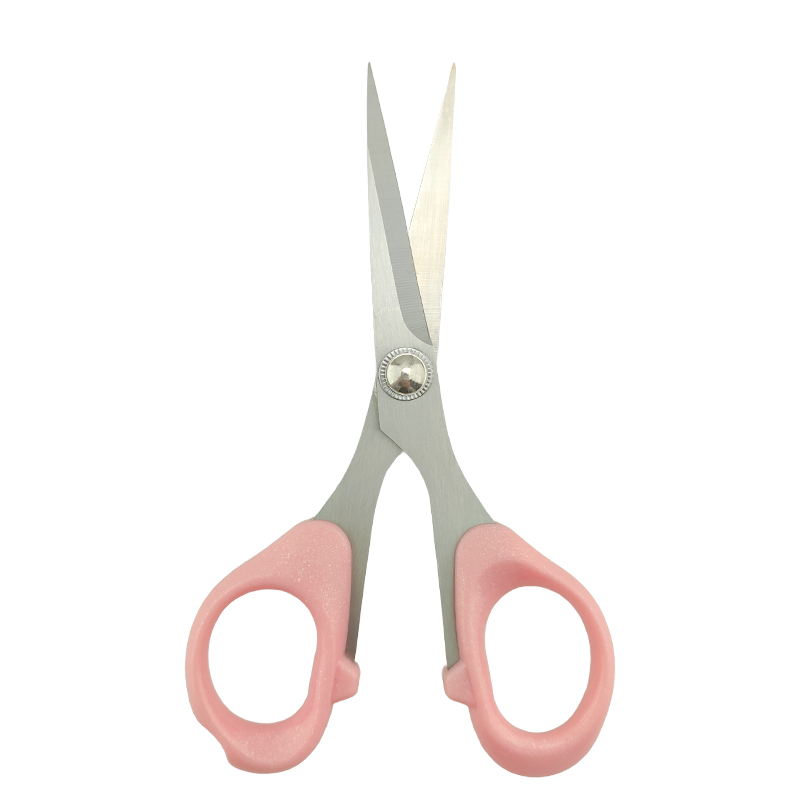
Selecting a fabric scissors manufacturer is not only about finding a low unit price. For wholesalers, sewing brands, craft retailers, schools, promotional buyers, and importers, the right supplier affects product consistency, repeat orders, customer satisfaction, and after-sales workload. Fabric scissors are simple in appearance, but buyers still need to evaluate blade sharpness, handle comfort, finish, packaging, customization options, and the supplier’s ability to communicate clearly.
The original article highlights several useful priorities: professional cutting results, wholesale sourcing, custom options, stainless steel blades, satin finish, ergonomic comfort, and handle color choices such as pastel pink. This updated guide turns those points into a practical sourcing checklist so procurement teams can compare suppliers with fewer assumptions and better questions.
Key Takeaways
- Ask for samples before committing to wholesale fabric scissors, especially if the product will be sold under your own brand.
- Do not rely only on photos; test cutting performance on the fabrics your customers actually use.
- Custom fabric scissors may include handle color, logo, or packaging options, but availability, MOQ, lead time, and cost should be confirmed directly.
- Evaluate supplier reliability through communication, documentation, sample consistency, and clear quality expectations.
What a Fabric Scissors Manufacturer Should Be Able to Explain
A suitable manufacturer or supplier should be able to explain the product in plain, verifiable terms. Buyers should ask what blade material is used, how the edge is finished, what handle options are available, and whether the scissors are intended for fabric only or for broader craft use. The original article refers to stainless steel blades and a satin finish; if those details matter for your order, request written confirmation for the exact model you are buying.
For B2B sourcing, avoid vague promises such as “premium quality” unless they are supported by sample evaluation, product drawings, inspection criteria, or agreed specifications. If you need a particular handle color, logo placement, hang tag, retail box, barcode label, or carton mark, include those details in the inquiry. A supplier that asks clarifying questions early may help prevent costly misunderstandings later.
Wholesale Fabric Scissors: Bulk Sourcing Priorities
Wholesale purchasing can provide consistency across retail shelves, classroom kits, sewing workstations, or promotional programs. However, bulk buying also increases risk if the sample and mass production do not match. Before placing a larger order, confirm how the supplier controls sharpness, surface finish, handle assembly, packaging condition, and carton protection.
Buyers should also decide the intended market position. A budget craft scissor, a sewing shop product, and a branded gift item may require different packaging and inspection standards. For example, a retailer may care strongly about shelf-ready packaging and visual consistency, while a sewing training center may prioritize comfort during repeated use.
Comparison Checklist for Supplier Evaluation
| Evaluation area | What to check | Questions to ask the supplier |
|---|---|---|
| Cutting performance | Clean cuts on common fabrics without pulling or excessive fraying | Can you provide samples for testing on cotton, felt, denim, or the buyer’s target material? |
| Blade and finish | Material, edge consistency, surface finish, and corrosion resistance expectations | What blade material and finish apply to this exact model? |
| Handle comfort | Grip shape, hand fit, and comfort during longer cutting sessions | Are alternative handle colors or designs available? |
| Customization | Logo, color, retail packaging, labels, or gift presentation | What are the MOQ, lead time, artwork requirements, and setup costs? |
| Wholesale reliability | Sample-to-production consistency and communication speed | How do you confirm specifications before mass production? |
| Packaging | Protection during transit and suitability for retail or distribution | Can packaging be adjusted for e-commerce, display, or bulk delivery? |
Custom Fabric Scissors for Branding and Retail Programs
Custom fabric scissors can be useful for private-label brands, sewing kits, craft subscription boxes, educational programs, and promotional campaigns. Customization may involve handle colors, logo printing, monograms, hang cards, inserts, or retail packaging. The original article mentions handle colors such as pastel pink and the possibility of brand logos or personal monograms. Treat these as options to verify, not automatic features for every order.
When requesting custom fabric scissors, send the supplier a clear brief. Include the target user, preferred color, logo file format, packaging type, order quantity, destination market, and any labeling requirements you already know. If you do not know the compliance rules for your market, ask what information the supplier can provide, but do not assume certification or testing unless documentation is supplied and reviewed.
How to Test Samples Before a Wholesale Order
Sample testing should be practical and repeatable. A buyer does not need a full laboratory to identify many common issues. Use several pairs, not just one, and test them on the materials your customers are likely to cut. Compare how the scissors perform at the tip, middle, and base of the blades. Note whether the handles feel stable, whether the pivot action is smooth, and whether the packaging protects the product from scratches.
- Cut lightweight and medium fabrics in straight lines and curves.
- Check whether the scissor tips meet cleanly and cut accurately.
- Inspect the blade finish for visible defects or rough edges.
- Use the scissors for several minutes to assess hand comfort.
- Compare all samples for consistency in sharpness, color, and assembly.
- Record findings with photos and share feedback with the supplier.
If the sample passes, ask how the same standard will be maintained in production. Buyers may also define an approval sample and request pre-shipment photos or third-party inspection, depending on order size and risk tolerance.
Commercial Details Buyers Should Confirm
Many sourcing problems come from missing commercial details rather than product design. Before confirming an order, ask about MOQ, unit packaging, carton quantity, lead time, payment terms, Incoterms, production schedule, artwork approval process, and how quality issues are handled. These details should be documented in writing.
For importers and distributors, logistics also matters. Ask for carton dimensions and gross weight when available, because freight costs can affect the landed cost. If you sell online, discuss packaging durability and whether the scissors need extra protection for parcel delivery. If you supply classrooms or workshops, bulk packaging may be more efficient than individual retail cards.
Practical FAQ
What makes fabric scissors different from general craft scissors?
Fabric scissors are typically selected for cleaner cutting through textiles and better control on sewing materials. Buyers should still test the exact model because performance varies by design, blade edge, and intended use.
Should I choose wholesale fabric scissors based on price alone?
No. Price is important, but sample performance, consistency, comfort, packaging, and supplier communication can affect the real cost of a wholesale program.
Can a supplier make custom fabric scissors with my logo?
Many suppliers may offer logo or packaging customization, but you should confirm the available method, MOQ, artwork format, lead time, cost, and approval sample process.
What should I ask before placing a bulk order?
Ask about blade material, handle options, packaging, MOQ, production lead time, sample approval, inspection standards, carton details, and how the supplier handles quality concerns.
How do I avoid mismatches between samples and mass production?
Keep an approved sample, define written specifications, confirm packaging artwork, request production photos when appropriate, and consider inspection before shipment for larger orders.
Final Sourcing Advice
The best fabric scissors manufacturer for your business is the one that can match your intended product use, quality expectations, customization needs, and delivery requirements. Start with samples, test them honestly, document the details, and compare suppliers on more than quotation price. A careful sourcing process helps ensure that wholesale or custom fabric scissors meet customer expectations and support repeatable purchasing decisions.
