




Choosing the Best Ice Tray Manufacturer for Quality
Selecting an ice tray manufacturer is not only about finding a low unit cost. For retailers, importers, hospitality suppliers, and promotional product buyers, the better question is whether a supplier can deliver consistent products, clear communication, suitable packaging, and dependable order follow-up. Ice trays look simple, but poor flexibility, weak mold definition, difficult ice release, or unclear material information can quickly create customer complaints.
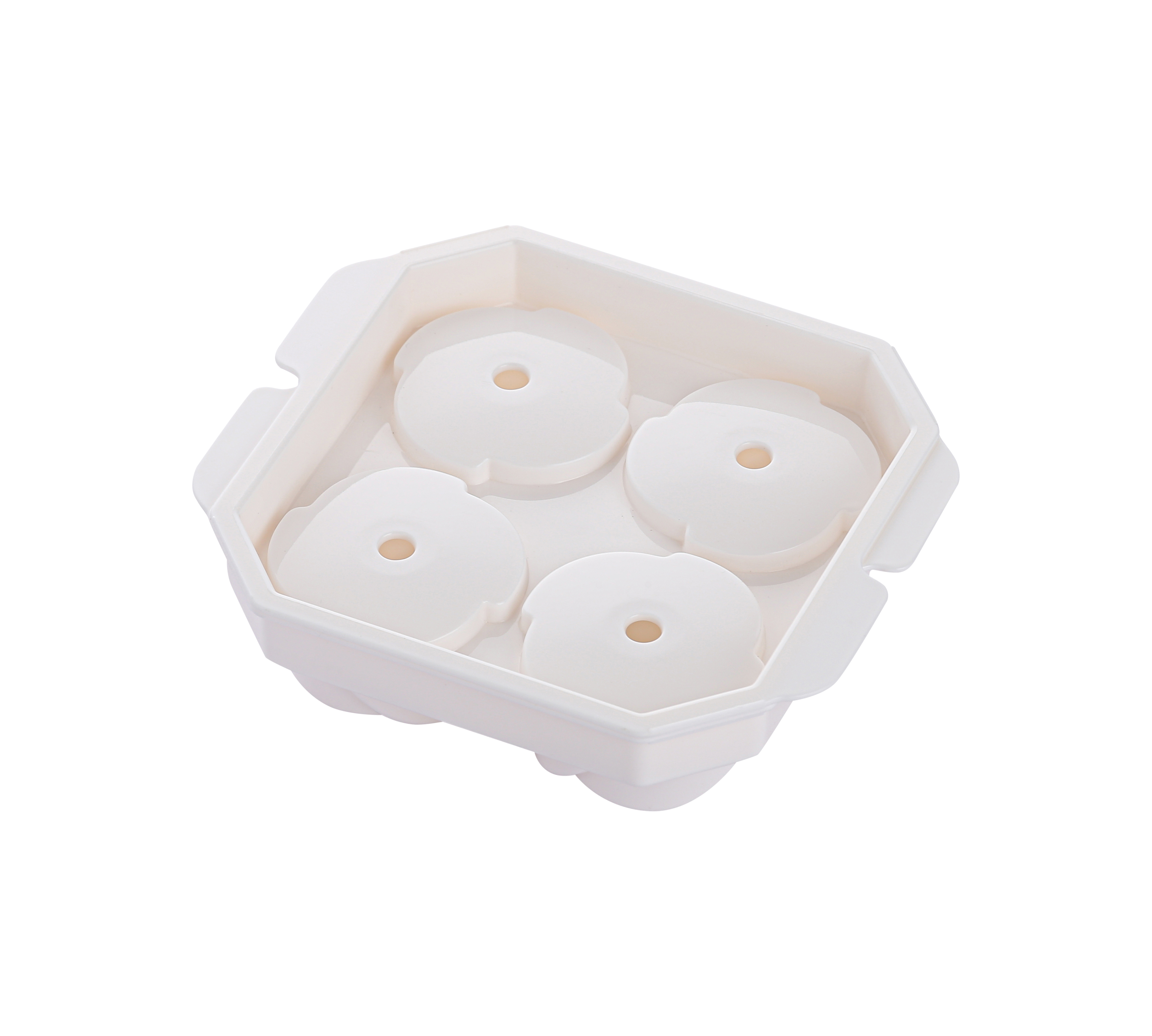
The original topic highlights silicone ice trays and the HexaChill Ice Mold, described as a food-grade silicone product for making sleek, spherical ice balls. That is a useful starting point, but business buyers should look beyond appearance. The best sourcing decision comes from comparing materials, usability, supplier transparency, sample quality, and commercial terms before committing to a wholesale or OEM order.
Key Takeaways
- Choose an ice tray manufacturer based on product consistency, material transparency, communication, and packaging support, not price alone.
- Silicone ice trays are valued for flexible ice release and shape variety, but buyers should confirm material details and care instructions with the supplier.
- For OEM or wholesale sourcing, request samples, packaging options, lead time estimates, and written answers to quality-control questions.
- Do not assume certifications, capacity, MOQ, or testing results unless the supplier provides current documentation.
What Makes a Good Ice Tray Manufacturer?
A good ice tray manufacturer should be able to explain how its products are made, what materials are used, and how quality is checked before shipment. This matters because ice trays come into direct contact with water that may be used in drinks. Buyers should ask for clear product information, including the stated material, recommended use conditions, cleaning guidance, and whether the product is intended for freezer use only or for broader kitchen use.
Communication is also part of quality. A reliable supplier should answer questions in a structured way, provide photos or videos of current products when requested, and confirm order details in writing. If you are sourcing for retail, food service, or gifting channels, ask whether the supplier can support barcode labels, inner boxes, master carton information, or customer-facing instructions. These details can reduce delays when goods arrive at a warehouse or distribution center.
Why Silicone Ice Trays Are Popular
Silicone ice trays are popular because the material is flexible, which can make ice easier to remove compared with rigid trays. The original article notes that silicone helps avoid the hassle of breaking or cracking during ice release. It also mentions that shaped molds can create more distinctive ice forms for beverages. This is especially relevant for bars, restaurants, home entertaining products, and giftable kitchenware.
The HexaChill Ice Mold is described in the source as a food-grade silicone product that creates sleek, spherical ice balls. Spherical ice is often selected for presentation and slower visual dilution in certain drink settings, although actual melting performance can vary based on cube size, freezer conditions, drink temperature, and serving method. Buyers should avoid marketing assumptions and instead test samples in real use conditions.
Silicone vs. Regular Ice Trays
When comparing products, it helps to look at practical performance rather than broad claims. A tray used for everyday household ice has different priorities from an ice mold sold to cocktail bars or premium gift shops. Use the table below as a sourcing checklist when comparing supplier samples.
| Selection Point | Silicone Ice Tray | Regular Rigid Ice Tray | Buyer Question |
|---|---|---|---|
| Ice removal | Flexible walls may help release ice more easily | May require twisting or tapping | Does the sample release ice cleanly after a full freeze? |
| Shape options | Can support spheres and specialty shapes | Often simpler cube designs | Is the shape consistent across cavities? |
| Durability in use | Depends on silicone thickness and design | Depends on plastic quality and brittleness | How does the product perform after repeated use? |
| Packaging needs | May need shape protection in transit | Usually easier to stack | Can the supplier recommend packaging for export cartons? |
| Retail appeal | Useful for shaped ice and gifting | Useful for basic household value lines | Which format matches your target customer? |
How to Evaluate Samples Before Ordering
Sampling is one of the most important steps in ice tray wholesale sourcing. Do not judge a mold only by product photos. Request a physical sample and test it through the full usage cycle: fill it with water, move it to the freezer, remove the ice, clean the tray, and repeat. Look for unwanted odor, awkward filling, unstable placement, weak cavity shape, difficult release, or packaging damage.
If the product is a shaped ice mold, such as a spherical or hexagonally designed tray, check whether the final ice shape matches the product description. Also consider the end user. A product that works well for a patient home user may not be ideal for a busy bar if filling, stacking, or release takes too much time.
- Request current product photos, dimensions, and material information from the supplier.
- Test the sample several times in a normal freezer before approving bulk production.
- Ask how the supplier handles color, packaging, logo, or instruction-sheet customization.
- Confirm lead time, payment terms, inspection options, and shipping carton details in writing.
- Keep an approved sample for comparison when the bulk order arrives.
Questions to Ask an Ice Tray Supplier
For B2B buyers, the right questions can prevent misunderstandings. If a supplier mentions food-grade silicone, ask what documentation is available and whether it applies to the exact product being quoted. If you need private label packaging, ask whether artwork templates are available. If you need a specific market requirement, do not assume compliance; request the relevant documents and consider independent verification.
Useful sourcing questions include: What material is used for the tray? Are samples from current production available? What packaging formats can be supplied? What is the estimated production lead time after artwork approval? Are there color or mold limitations? How are finished goods checked before shipment? What information appears on the product label or carton? These questions are practical, neutral, and important for comparing suppliers.
OEM, Wholesale, and Retail Packaging Considerations
Ice trays can be sold as basic kitchen tools, barware accessories, promotional gifts, or bundled items in beverage-related sets. Each channel needs different packaging. A retail buyer may need a clear product name, usage instructions, care guidance, barcode placement, and shelf-ready presentation. A hospitality distributor may care more about carton efficiency, easy storage, and replacement ordering.
For OEM projects, ask whether the supplier can support changes to color, packaging, logo placement, or mold design. If a new mold is required, clarify tooling cost, ownership, development time, sample approval steps, and what happens if the first sample does not meet expectations. Avoid vague agreements; put all technical and packaging details into the purchase order or specification sheet.
Use and Care Points for End Users
Even when selling B2B, end-user experience matters. Clear instructions can reduce returns and improve reviews. For silicone ice trays, users should fill cavities carefully, place the tray on a stable freezer surface, allow enough time for a complete freeze, and release ice without using sharp tools. Cleaning guidance should be based on the supplier's actual product instructions, not assumptions.
If the tray is designed for spherical ice balls, users may need to avoid overfilling or moving the mold before the water freezes. For specialty shapes, small details can affect the final result. Good packaging or an instruction insert can explain these points simply and help customers get better results from the first use.
FAQ
What should I check first when choosing an ice tray manufacturer?
Start with material information, sample quality, communication speed, packaging capability, and whether the supplier can answer technical and commercial questions clearly.
Are silicone ice trays better than regular ice trays?
Silicone trays often offer easier ice release and more shape options. Regular rigid trays may suit simple, low-cost household use. The better choice depends on your market and quality target.
Can I ask for a custom ice mold design?
Many suppliers may offer OEM or customization options, but you should ask about tooling, development time, sample approval, packaging, and any minimum order requirements before planning a launch.
What should not be assumed from a supplier listing?
Do not assume manufacturing capacity, certifications, test results, MOQ, pricing, or compliance status unless the supplier provides current written confirmation or documents for the exact product.
How can I reduce risk before a wholesale order?
Approve a physical sample, create a written specification, confirm packaging details, consider pre-shipment inspection, and keep records of all supplier commitments.
