




Choosing the Right Scissors OEM Supplier for Your Needs
Finding a scissors OEM supplier is not only about choosing a factory that can make a sharp cutting tool. For importers, stationery brands, promotional product companies, office supply distributors, and private-label buyers, the right partner must understand product positioning, repeatable quality, customization, packaging, and communication. A pair of office scissors may look simple, but small details such as handle comfort, blade finish, pivot smoothness, packaging strength, and labeling accuracy can affect customer reviews and reorder rates.
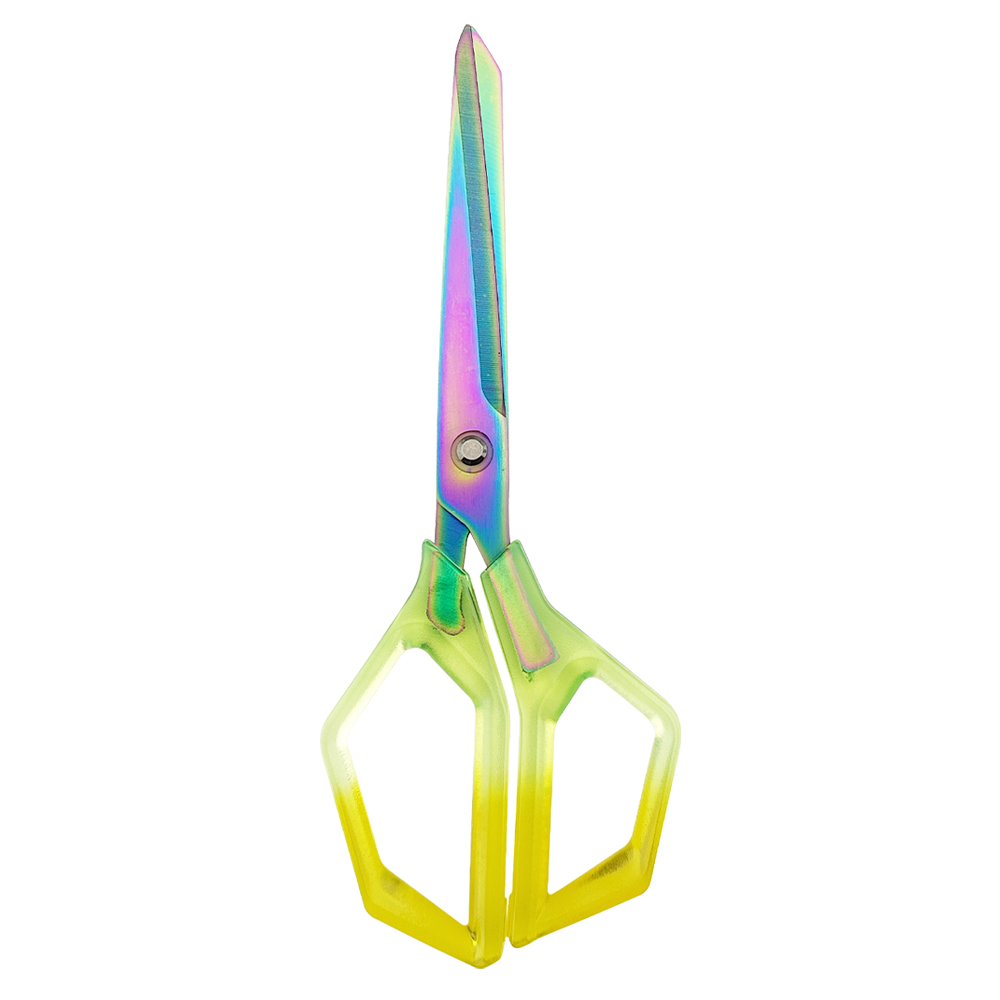
The original article introduced personalized office scissors, professional office scissors, and a Sunburst Series design with yellow honeycomb handles and titanium-coated blades. This guide builds on that topic with a clearer sourcing framework: how to compare suppliers, what to ask before sampling, and how to reduce risk before moving into OEM production.
Key Takeaways
- Choose a scissors OEM supplier based on sample quality, communication, customization ability, and consistency—not price alone.
- Ask for confirmed details on blade material, handle material, coating, pivot construction, packaging, and quality inspection processes.
- Personalized office scissors can support branding, gifting, retail, and corporate supply programs when artwork and packaging are controlled carefully.
- Before bulk production, approve physical samples and written specifications so both buyer and supplier are aligned.
What a Scissors OEM Supplier Should Provide
An OEM supplier should be able to manufacture scissors according to your brand requirements, or adapt an existing design with agreed changes. Depending on the project, this may include handle color selection, logo placement, retail packaging, barcode labels, carton marks, and product instructions. Some buyers need a distinctive shelf-ready product; others need a dependable office tool for bulk institutional use.
For a product like personalized office scissors, visual consistency is important. Logo position, engraving clarity, printed color, and packaging layout should match the approved artwork. For professional office scissors, buyers usually care more about cutting feel, blade alignment, durability during normal use, and comfort over repeated cutting tasks. In both cases, the buyer should request a specification sheet and confirm what is standard, what is optional, and what may affect cost or lead time.
Clarify Product Positioning Before You Request a Quote
A good sourcing project starts with a clear product brief. If you simply ask for “office scissors,” suppliers may quote different blade sizes, handle materials, coatings, packaging formats, and quality levels. That makes comparisons difficult. Instead, define the target user and sales channel first.
For example, a corporate gifting program may prioritize custom colors and logo presentation. A stationery retailer may focus on attractive packaging and consistent shelf appearance. A craft or design workspace may need smooth cutting through paper and light materials. The original product description mentioned Sunburst Series Precision Scissors with yellow honeycomb handles and titanium-coated blades; if this style fits your market, confirm whether those features are available for OEM orders and whether samples can be reviewed before production.
Comparison Checklist for Supplier Evaluation
| Evaluation Area | What to Check | Questions to Ask |
|---|---|---|
| Product sample | Cutting smoothness, blade alignment, handle comfort, pivot movement | Can you provide pre-production samples for written approval? |
| Customization | Logo method, handle color, packaging artwork, label requirements | Which customization options are standard and which require tooling or extra time? |
| Materials | Blade finish, handle material, coating, pivot components | Can you confirm the exact materials and finishes in the quotation? |
| Quality control | Inspection points, defect criteria, packaging checks | What quality checks are performed before shipment, and can they be documented? |
| Commercial terms | MOQ, lead time, payment terms, shipment method | What are the order quantities, production timeline, and sample charges? |
| After-sales handling | Complaint process, replacement policy, corrective actions | How do you handle defects or deviations from approved samples? |
Customization Options for Personalized Office Scissors
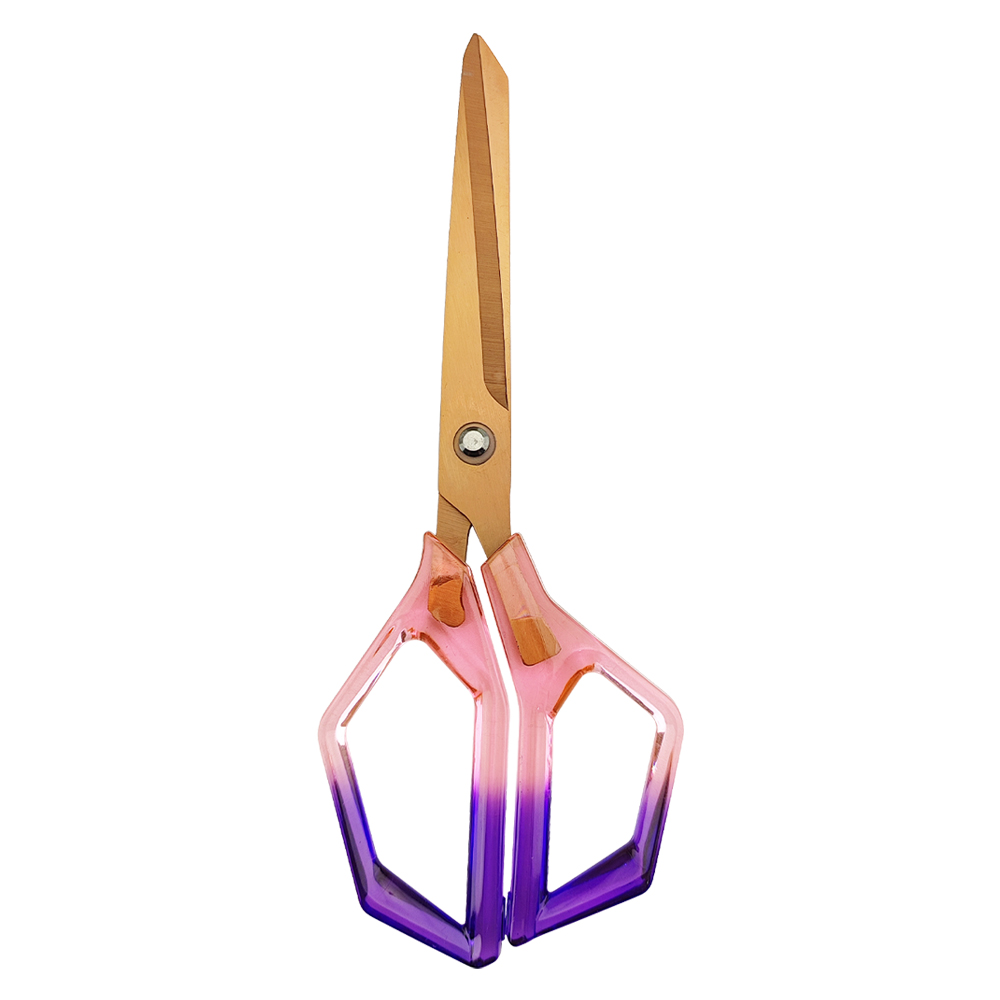
Personalized office scissors can be used for brand merchandise, workplace supply kits, retail stationery lines, school promotions, and event gifts. Common customization areas include handle color, logo printing or engraving, packaging design, and outer carton labeling. However, each customization choice should be verified with samples because the final appearance can vary by material, surface texture, and production method.
When discussing custom engraving, vibrant colors, or ergonomic shapes, ask the supplier to explain available processes and limitations. If the handle has a honeycomb-style surface, for example, the logo placement area may need to be flat or specially designed. If the blade has a coating, confirm whether the coating is decorative, functional, or both, and ask how it should be described accurately in your marketing materials.
Quality Questions to Ask Before Bulk Production
Scissors quality depends on more than the sharpness of the blade. A buyer should review how the blades meet, whether the pivot opens and closes smoothly, whether the handles feel secure, and whether the product is comfortable for the intended user. For office use, the product should cut common paper cleanly. If you plan to promote use on fabric, packaging, card stock, or craft materials, ask for test samples and define the acceptable use range.
Useful questions include:
- What blade material and blade finish are used in the quoted model?
- What handle material is used, and is color matching available?
- How is the pivot assembled, and can tension be adjusted?
- What tests or inspections are performed during and after production?
- How are products packed to prevent scratches, deformation, or moisture damage during transport?
- Can the final production match the approved sample and artwork files?
A responsible supplier should be willing to answer these questions clearly. If a detail is not confirmed in writing, avoid using it as a product claim in your listing or catalog.
Packaging, Labeling, and Retail Readiness
Packaging is often overlooked until late in the sourcing process, but it affects both logistics and customer perception. Bulk office buyers may prefer simple inner cartons and practical labeling. Retail buyers may need blister cards, paper sleeves, hang holes, barcodes, multilingual text, or branded display packaging. Promotional buyers may require gift-ready presentation or individual logo placement.
Before confirming packaging, ask for dielines, artwork requirements, carton dimensions, and packing quantity. Also confirm who is responsible for barcode generation, regulatory text, recycling marks, or country-specific labeling requirements. Do not assume a supplier will automatically prepare compliant packaging for every market; provide your requirements and ask what documentation they can support.
How to Reduce Risk When Selecting an OEM Partner
Risk control is a practical part of sourcing. Start with a sample order or prototype review, then move to a pre-production sample before mass production. Compare the approved sample with the final goods, and keep written records of specifications, artwork, packaging, and tolerances. If the order is large or the product is new to your brand, consider arranging third-party inspection or your own incoming quality checks.
Good supplier selection also depends on communication. A factory that responds clearly, flags technical limits early, and documents changes is usually easier to work with than one that only provides quick pricing. For a scissors OEM program, the ideal supplier should help you translate a market idea into a repeatable product while making limitations visible before production begins.
Practical FAQ
What should I prepare before contacting a scissors OEM supplier?
Prepare target size, intended use, preferred handle color, logo requirements, packaging style, estimated order quantity, destination market, and any performance expectations. A clear brief leads to more accurate quotations.
Can office scissors be customized with a brand logo?
Often yes, but the suitable method depends on the handle surface, blade finish, logo size, and order requirements. Ask for physical samples or production proofs before approval.
How do I compare two scissors suppliers fairly?
Ask both suppliers to quote the same specification, packaging, quantity, and delivery terms. Then compare samples, communication quality, quality control process, and written commercial terms.
Should I claim titanium-coated blades or eco-conscious materials in my listing?
Only use those claims if the supplier confirms them in writing and provides suitable support for your market. If the detail is not documented, describe the product more generally.
What is the most important step before mass production?
Approve a physical pre-production sample and a written specification sheet. This creates a shared reference for quality, appearance, packaging, and acceptable production standards.
