




Choosing the Right Sewing Scissors Manufacturer
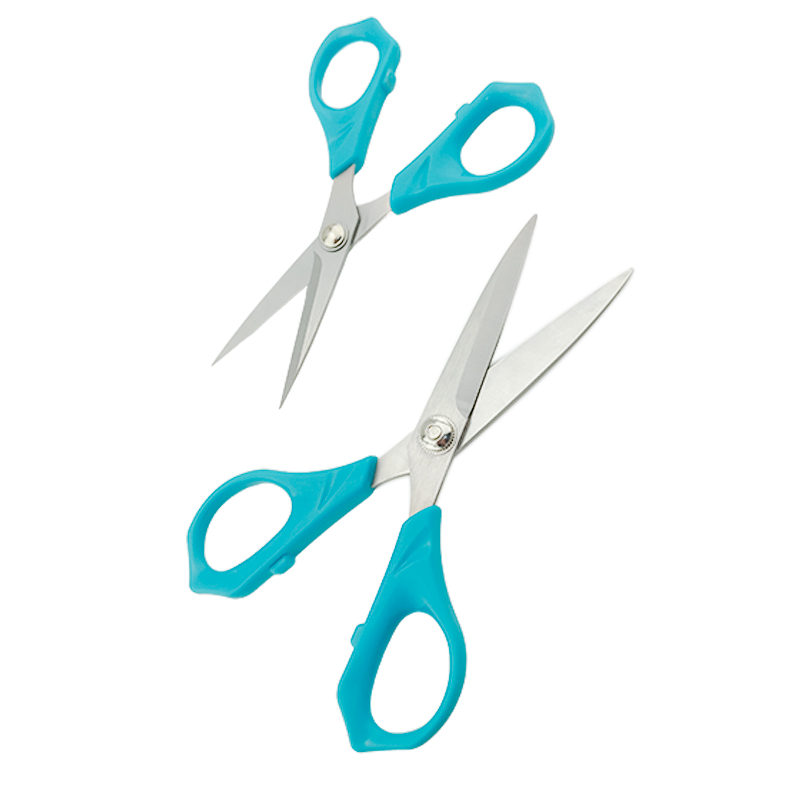
Selecting a sewing scissors manufacturer is not only a purchasing decision. For a sewing brand, craft distributor, school supplier or wholesale buyer, it affects product consistency, customer satisfaction and repeat orders. A good pair of sewing scissors should cut cleanly, feel balanced in the hand and remain dependable through regular use. The original product context highlights stainless steel blades, rust resistance, sturdy construction and handle design as useful considerations; buyers should still verify these points with samples and supplier documentation before placing a bulk order.
This guide explains how to compare a sewing scissors factory, what to ask about custom production, and how to reduce sourcing risk when buying wholesale sewing scissors.
Key Takeaways
- Start with the intended user: tailor, hobby sewer, student, craft kit buyer or general office user.
- Request samples and test cutting performance on the fabrics or materials your customers actually use.
- Do not rely only on appearance; check blade alignment, handle comfort, screw tension and packaging durability.
- For OEM or custom orders, confirm artwork, colors, labeling, sample approval steps and packaging requirements in writing.
- Ask each supplier clear questions about materials, inspection process, lead time, MOQ and after-sales handling instead of assuming details.
Define the Sewing Scissors You Need
Before contacting a manufacturer, write a short product brief. This does not need to be complicated, but it should describe the buyer group and usage scenario. Professional tailors may care most about smooth cutting through fabric and long-session hand comfort. Schools may prioritize safe, consistent and affordable tools for group use. Retail craft brands may need attractive packaging, color options and clear product information.
Your brief can include blade length, handle style, target retail channel, expected packaging format and whether the product is for fabric, thread trimming, crafts or mixed utility use. If you do not know the exact technical specification, say so and ask the supplier what options they can provide. A credible sewing scissors supplier should be able to explain the differences between models and recommend samples for comparison.
How to Evaluate Cutting Quality
Quality in sewing scissors is easy to describe but must be tested in hand. The scissors should open and close smoothly without grinding, looseness or excessive stiffness. The two blades should meet correctly from pivot to tip, because poor alignment can push fabric instead of cutting it. A clean cut helps reduce fraying and gives tailors, crafters and production teams a more predictable result.
Use a simple sample test plan. Cut light cotton, layered fabric, felt or other materials relevant to your market. Check whether the scissors snag, bend the material, leave uncut threads near the tip or cause hand fatigue after repeated cuts. If stainless steel blades or rust-resistant performance are important to your listing, ask the factory to confirm the material and maintenance guidance, and avoid making claims that the supplier cannot support.
Custom Sewing Scissors Factory Options
A custom sewing scissors factory may offer changes such as handle color, logo placement, packaging design or model selection. Customization can help a brand create a more recognizable product, but it also adds approval steps. Buyers should ask whether customization affects sample cost, production lead time, minimum order quantity, color tolerance or replacement parts.
For ergonomic design, be cautious with assumptions. A handle that looks comfortable in a photo may not suit every user. Request pre-production samples and have several people test them, especially if your customers include professional users who cut for long periods. For branding, provide vector artwork when possible and confirm the exact placement, size and color before mass production.
Wholesale Sewing Scissors: What Bulk Buyers Should Check
Wholesale sourcing is practical for distributors, sewing circles, training centers and retailers that need consistent tools in quantity. However, a low unit price is not useful if the scissors arrive with uneven tension, weak packaging or inconsistent finishing. Ask the supplier how products are inspected before shipment and what the process is if defective units are found.
| Check Point | What to Review | Questions to Ask the Supplier |
|---|---|---|
| Blade performance | Clean cutting, tip accuracy, smooth opening and closing | Can you provide samples for fabric cutting tests? |
| Material claims | Blade material, rust-resistance guidance, care instructions | What material is used, and how should it be maintained? |
| Handle comfort | Grip shape, balance, hand fatigue during repeated use | Are different handle colors or styles available? |
| Bulk consistency | Finish, screw tension, alignment and packaging across cartons | What inspection steps are used before shipment? |
| Custom packaging | Retail card, box, label, barcode or instruction insert | Can packaging artwork be approved before production? |
Supplier Communication and Risk Reduction
Strong communication is one of the best indicators of a reliable manufacturer. A supplier should answer specific questions, provide sample options and clarify what is standard versus custom. If a detail is important to your market, include it in the purchase documents rather than leaving it to informal messages.
- Send your product brief and target use case.
- Request two or three sample options if available.
- Test samples and record performance notes.
- Confirm specifications, packaging, labeling and inspection expectations.
- Approve a final sample before bulk production when customization is involved.
- Discuss how defects, shortages or shipping damage will be handled.
Buyers should also ask about lead time, MOQ, payment terms and export packaging. Do not assume certifications, compliance test results or factory capacity unless the supplier provides current documentation. If your sales market has specific legal or safety requirements, verify them independently with qualified compliance support.
Care Guidance for End Users
Even good sewing scissors perform better when used correctly. For retail or wholesale programs, basic care instructions can reduce complaints. Encourage users to reserve fabric scissors for fabric instead of cutting paper, wire or adhesive materials. Wipe blades dry after use, store them safely and avoid dropping them, as impact can affect alignment.
If the scissors include a pivot screw, users should not over-tighten it without guidance. When scissors become dull or misaligned, professional sharpening or replacement may be more practical than continued use. Clear care advice on packaging or inserts can help customers understand how to maintain cutting performance.
Practical FAQ
What should I ask a sewing scissors manufacturer first?
Ask which models suit your target users, what blade and handle options are available, whether samples can be supplied, and what MOQ, lead time and packaging choices apply.
Can I order custom sewing scissors with my logo?
Many factories may offer branding or packaging customization, but availability depends on the model and order details. Confirm artwork format, sample approval, color tolerance, cost and production timing.
How do I compare wholesale sewing scissors samples?
Use the same cutting tests for each sample. Compare clean cutting, blade alignment, comfort, finish, packaging quality and consistency. Keep written notes so decisions are not based on appearance alone.
Are stainless steel blades always better?
Stainless steel is commonly valued for durability and corrosion resistance, but performance also depends on blade geometry, alignment, sharpening and overall construction. Ask the supplier to confirm material details and care instructions.
What information should be confirmed before bulk production?
Confirm model, materials, colors, logo placement, packaging, carton requirements, inspection method, lead time, shipping terms and the process for handling quality issues. Written confirmation helps prevent misunderstandings.
