





Classic Household Scissors: A Practical Guide for Everyday Cutting
Classic household scissors are one of the simplest tools in the home, yet they are used across many everyday tasks: opening packaging, trimming paper, cutting fabric, preparing craft materials, and handling small kitchen or office jobs. A good pair should feel comfortable in the hand, cut cleanly with reasonable effort, and stay dependable with basic care.
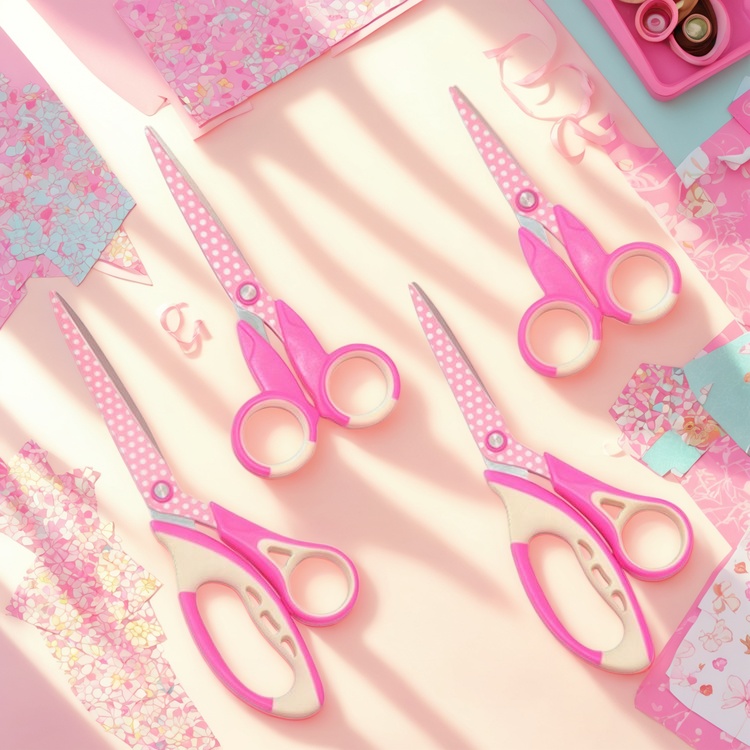
This guide explains how to evaluate classic household scissors from a practical user and sourcing perspective. It avoids assuming details that should be confirmed with a supplier, such as blade material grade, exact dimensions, packaging, minimum order quantity, or certification status.
Key Takeaways
- Choose scissors according to the jobs they will handle most often: paper, fabric, packaging, crafts, or kitchen use.
- Sharp blades improve cutting control and reduce the need to force the tool through material.
- Handle comfort matters, especially for repeated cutting or shared household use.
- Maintenance is simple: keep scissors clean, dry, and reserved for appropriate materials.
- For wholesale or OEM sourcing, confirm specifications, samples, packaging, and quality-control expectations before ordering.
Where Classic Household Scissors Are Most Useful
Household scissors are designed for general convenience rather than highly specialized industrial cutting. In the kitchen, they may be used for opening food packages, cutting parchment paper, or trimming light materials. In an office or study area, they are useful for paper, labels, envelopes, and tape. In a craft space, they can help with patterns, ribbon, thin card, and basic hobby materials.
Because the same pair may be used by different people for different tasks, the best choice is often a balanced design: not too heavy, not too delicate, and easy to control. If a household regularly cuts fabric, thicker cardboard, or tough plastic packaging, it may be better to keep separate scissors for those tasks to avoid dulling a general-purpose pair too quickly.
What to Look for When Choosing Household Scissors
Selection should begin with the most common use case. A pair intended mainly for paper does not need the same design as scissors used for sewing patterns or repeated packaging work. Buyers should examine the blade length, overall weight, pivot smoothness, handle opening, and whether the scissors feel stable during cutting.
Blade sharpness is important, but sharpness alone is not enough. The two blades must meet cleanly along the cutting edge, and the pivot should not feel loose. Handles should allow a natural grip without pinching. If the product listing mentions stainless steel blades, buyers should ask the supplier which grade is used and how corrosion resistance is verified, rather than assuming all stainless steels perform the same way.
Comparison Checklist for Product Selection
| Selection Point | Why It Matters | Questions to Ask |
|---|---|---|
| Primary use | Different tasks place different demands on the blades and handles. | Are these scissors intended for paper, fabric, packaging, kitchen use, or mixed household use? |
| Blade material | Material affects sharpness retention, corrosion resistance, and maintenance needs. | What blade material and grade are specified? Is it confirmed in product documentation? |
| Handle design | Comfort affects control, especially during repeated cutting. | Are there different handle sizes or colors in the series? |
| Pivot construction | A stable pivot helps the blades align and cut evenly. | Is the pivot adjustable or fixed? How is smooth movement checked? |
| Packaging | Packaging matters for retail display, e-commerce, and wholesale handling. | What packaging options are available, and can artwork be customized? |
| Quality checks | Consistent performance is critical for repeat orders. | What inspections are performed before shipment? |
Using Scissors Safely and Effectively
Sharp scissors for home use can be safer than dull scissors because they require less force. However, safe handling still matters. Always cut away from the body when possible, keep fingers clear of the blade path, and store scissors where children cannot access them without supervision. Avoid using household scissors as a screwdriver, scraper, bottle opener, or prying tool, as this can damage the pivot and blade edges.
For best results, match the cut to the tool. Use smooth, full blade strokes for paper and fabric rather than short, choppy movements. When cutting tape or adhesive labels, clean residue from the blades promptly so the scissors continue to close smoothly.
Care and Maintenance Tips
Household scissors do not require complicated maintenance, but small habits can extend their useful life. Wipe the blades after use, especially after cutting food packaging, adhesive materials, or anything damp. Dry the scissors before storage to reduce the risk of staining or corrosion, particularly around the pivot area.
- Keep one pair for clean paper and craft work when possible.
- Use a separate pair for kitchen packaging or sticky materials.
- Wipe blades with a soft cloth after use.
- Remove adhesive residue carefully without scratching the blade surface.
- Store scissors closed in a drawer, sheath, or organizer.
- Sharpen only when needed, and follow the supplier’s guidance if available.
Sourcing Guidance for Wholesale, OEM, or Supplier Buyers
When the purchasing goal is wholesale, private label, OEM, or retail distribution, evaluation should go beyond appearance. Ask for current product specifications, available series options, sample lead time, packaging choices, labeling requirements, and carton details. Do not rely only on product photos, because two similar-looking scissors can differ in blade thickness, handle material, pivot quality, and finishing.
Before confirming an order, buyers should request samples and test them against realistic use cases: cutting paper, fabric scraps, thin packaging, tape, or other materials relevant to the target customer. If compliance, food-contact suitability, or market-specific documentation is required, ask the supplier what documents are available and whether they apply to the exact model being purchased. Commercial details such as MOQ, pricing tiers, custom colors, logo printing, and delivery terms should be confirmed directly with the supplier.
Common Mistakes to Avoid
One common mistake is choosing scissors only by price. Low cost may be important for promotional or bulk programs, but poor cutting performance can lead to returns and customer complaints. Another mistake is using one pair for every possible job. Cutting wire, heavy plastic, or abrasive materials with household scissors can quickly damage the edge.
For buyers building a product range, it is also important to avoid unclear naming. If a supplier offers series scissors, define what separates each model: size, handle shape, blade finish, intended use, packaging, or color. Clear product differentiation helps retailers, distributors, and end users choose the right option.
FAQ
What are classic household scissors best used for?
They are best for everyday cutting tasks such as paper, light packaging, labels, craft materials, and general home or office use. For heavy-duty materials, choose a tool specifically designed for that purpose.
Are sharp scissors safer than dull scissors?
Often, yes. Sharp scissors usually require less force and provide better control. However, they still need careful handling, safe storage, and supervision around children.
Can household scissors be used in the kitchen?
They can be used for some kitchen-related tasks such as opening packaging or cutting parchment. If scissors will contact food directly, ask the supplier whether the product is suitable for that use and how it should be cleaned.
How should I evaluate a household scissors supplier?
Request specifications, samples, packaging information, quality-control details, and any required documentation. Test samples with the materials your customers are most likely to cut.
When should scissors be replaced?
Replace them when the blades no longer meet evenly, the pivot becomes unstable, the handles crack, or sharpening and cleaning no longer restore clean cutting performance.
