




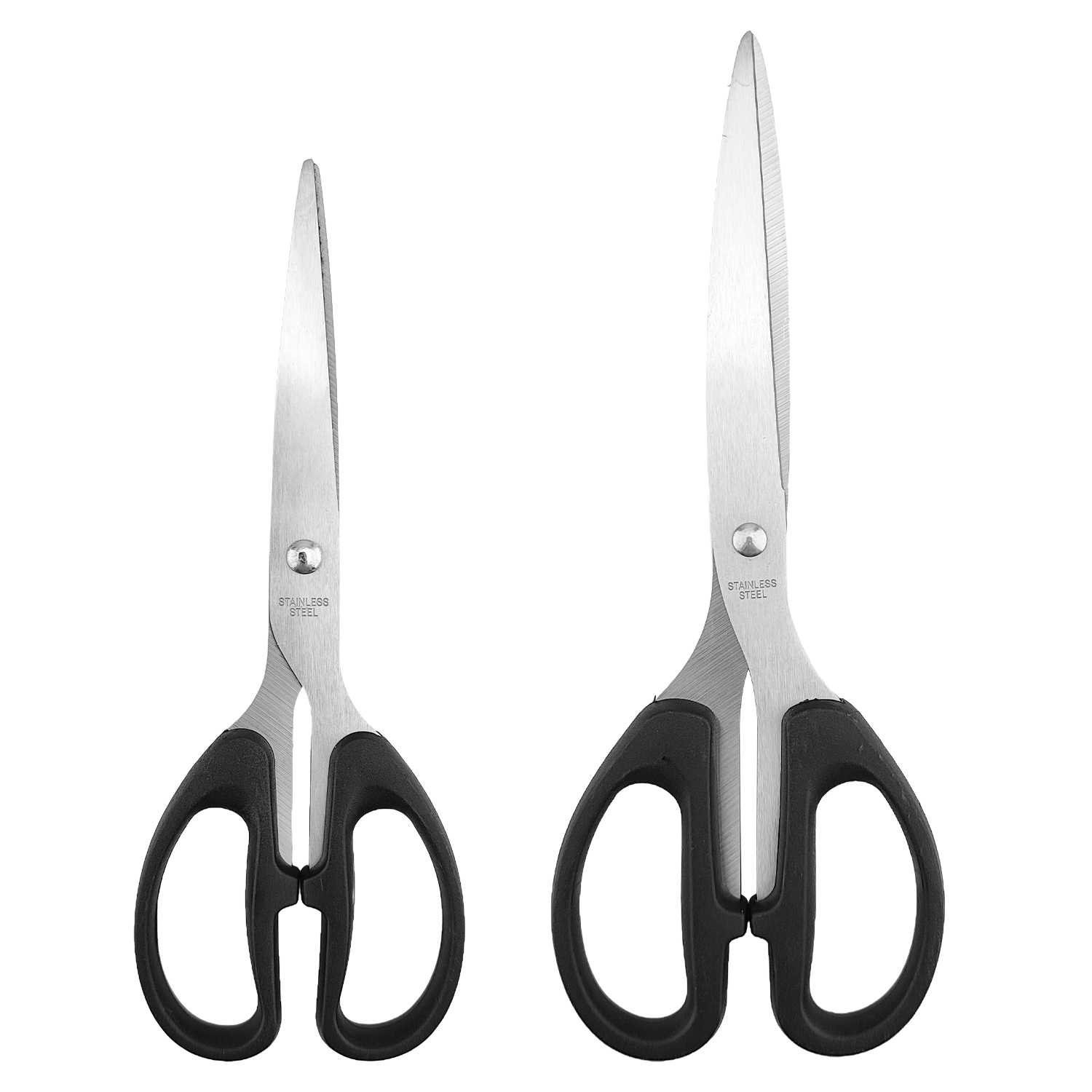
Classic Household Scissors: Practical Sourcing Guide for Everyday Cutting Tools
Classic household scissors remain one of the most frequently used hand tools in homes, offices, sewing kits, schools, and light craft settings. The category looks simple at first glance, but buyers quickly discover meaningful differences in blade alignment, handle comfort, cutting feel, surface finish, packaging, and consistency across production batches. For retailers, wholesalers, importers, and OEM buyers, choosing the right scissors is less about a dramatic product claim and more about reducing complaints, matching the right use case, and asking the supplier the right questions before confirming an order.
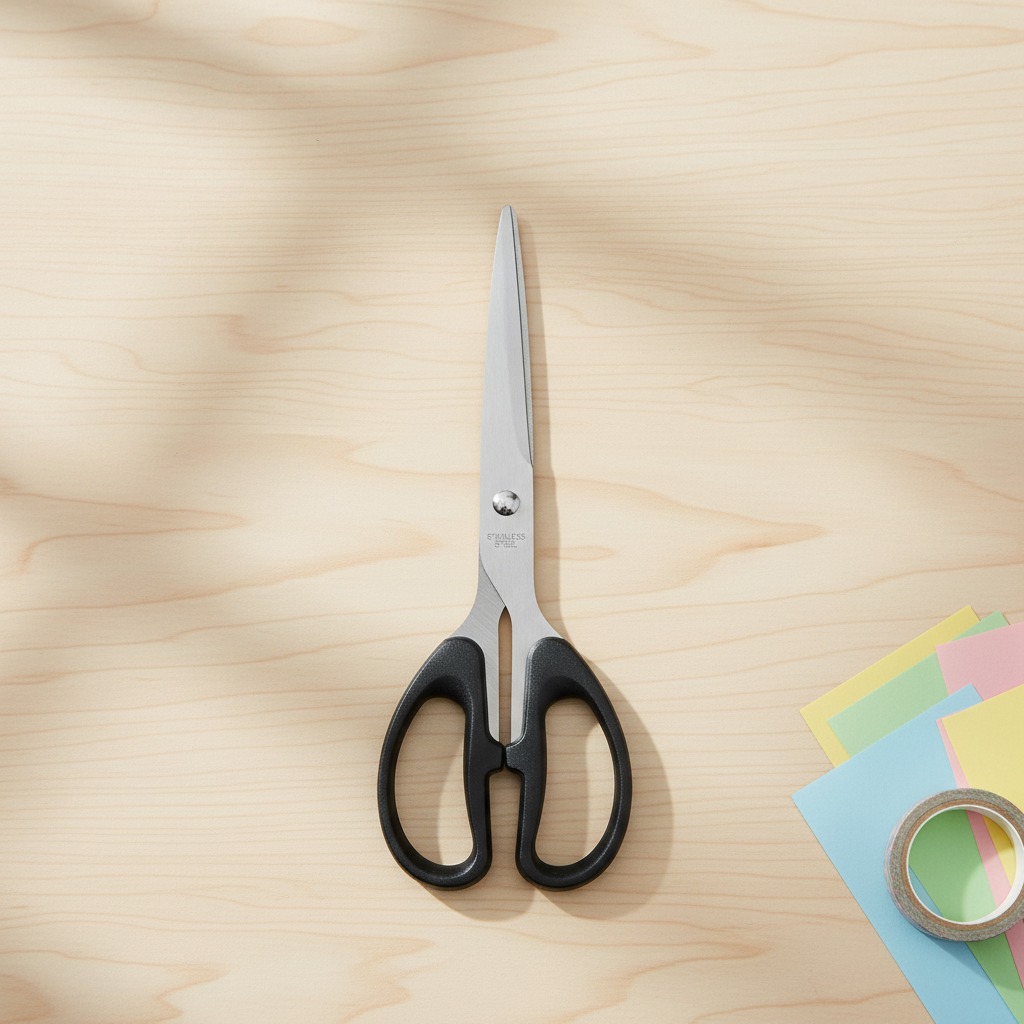
Key Takeaways
- Classic household scissors should be evaluated by cutting performance, comfort, finish, and batch consistency rather than appearance alone.
- For OEM or wholesale sourcing, buyers should request clear details on blade material, handle material, packaging, inspection process, and customization options.
- Yangjiang is known as a cutlery production hub, but each scissors factory should still be assessed on its own quality control and communication.
- Product samples should be tested on realistic materials such as paper, thread, thin fabric, plastic packaging, and household labels.
What Makes Classic Household Scissors Useful?
A good pair of household scissors is designed for mixed daily tasks: cutting paper, opening packaging, trimming tags, snipping thread, preparing craft materials, or keeping in a drawer for general use. Unlike specialized kitchen shears, tailoring scissors, or pruning tools, classic household scissors must be versatile enough for occasional use by different people. That means the design should balance sharpness, control, comfort, safety, and reasonable durability.
The original article highlights the everyday role of household scissors and their use in tasks such as trimming paper, cutting thread, and handling general household chores. Those are important clues for sourcing. A buyer should not assess this category only by whether the scissors look strong. The real question is whether they cut smoothly, close evenly, feel stable in hand, and remain comfortable during repeated small tasks.
Core Features Buyers Should Evaluate
When reviewing classic household scissors for OEM or wholesale projects, start with the parts users notice first. Blade alignment affects whether the scissors cut cleanly from the base to the tip. Handle shape affects grip comfort and control. The pivot area affects smoothness and long-term feel. Surface finishing affects both appearance and the perception of quality when the product is displayed online or in retail packaging.
If a supplier describes the scissors as stainless steel, rust-resistant, ergonomic, or non-slip, ask for the specific basis of that description. Do not rely only on catalog wording. Request the exact material description, finish type, sample photos, and any available inspection criteria. If the product will be sold in a regulated market, ask what documents the supplier can provide and whether any testing is required by your importer, distributor, or retailer.
Comparison Checklist for Sourcing Household Scissors
| Evaluation Point | What to Check | Questions to Ask the Supplier |
|---|---|---|
| Blade performance | Clean cutting on paper, thread, thin fabric, and packaging film | What blade material and finishing process are used for this model? |
| Blade alignment | Even contact from pivot to tip without bending or gaps | How is blade alignment inspected during production? |
| Handle comfort | Grip shape, finger space, edge smoothness, and control | Can the handle color, material, or logo placement be customized? |
| Pivot smoothness | Opening and closing action without looseness or stiffness | What tolerance or inspection standard is used for the pivot? |
| Packaging | Retail card, blister, sleeve, bulk pack, barcode, and warning text | What packaging formats are available for wholesale or OEM orders? |
| Batch consistency | Same cutting feel, finish, and appearance across multiple samples | Can pre-production and final inspection samples be approved before shipment? |
OEM Scissors: What to Clarify Before Ordering
OEM household scissors sourcing usually involves more than choosing a shape from a catalog. Buyers may need private-label packaging, logo printing, handle color changes, mixed carton quantities, or retail-ready presentation. Before discussing price, define the target market and intended use. Scissors for a supermarket value pack may have different requirements from scissors sold in a sewing accessories range or office stationery display.
Useful OEM questions include:
- What parts of the scissors can be customized: handle color, logo, blade marking, packaging, or instruction insert?
- What information is needed to quote accurately, such as drawings, reference samples, packaging files, or target order quantity?
- What sample process is available before mass production?
- How are incoming materials, assembly, blade alignment, and final packaging checked?
- What export documents, labeling details, and carton markings can be provided?
These questions keep the discussion practical. They also help avoid assuming that every scissors factory offers the same customization, inspection, or documentation process.
Why Yangjiang Is Often Mentioned in Scissors Sourcing
The original article refers to Yangjiang scissors and describes the region as a hub for cutlery production. For international buyers, this can be useful because supplier clusters often make it easier to find factories with experience in blades, handles, assembly, and packaging. However, a production location alone does not guarantee product quality. Buyers should still compare samples, communication speed, quality control procedures, and the supplier's ability to follow packaging and labeling requirements.
When speaking with a Yangjiang scissors supplier or any scissors factory, ask for real product photos, current sample availability, packaging examples, and details on the production workflow. If you are developing an OEM item, provide a target retail channel and expected use case. A clearer brief helps the supplier recommend a more suitable household scissors model instead of simply quoting the cheapest option.
Sample Testing for Real-World Use
Sample testing should reflect how end users will actually use the scissors. A buyer can create a simple test set with printer paper, lightweight cardboard, cotton thread, ribbon, thin fabric, plastic pouch material, and adhesive labels. Cut from the heel of the blade to the tip, then check whether the material slips, folds, tears, or cuts cleanly. Also test repeated opening and closing to see whether the pivot feels stable.
Comfort matters, especially for customers who may use the scissors for crafts, office preparation, or household organization. Check whether the handles have sharp molding edges, whether the finger holes feel restrictive, and whether the tool feels balanced. For retail products, also review the packaging: it should protect the scissor tips, present the product clearly, and include any safety or usage text required by the sales channel.
Use and Care Guidance for End Users
Even general-purpose household scissors last longer when used correctly. Retailers and distributors can reduce after-sales issues by providing simple care information on packaging or product pages. Users should avoid cutting hard wire, thick plastic, or food if the scissors are not designed for those tasks. They should wipe the blades dry after use, store the scissors safely, and keep them away from children when appropriate.
If scissors become sticky from tape or labels, users can clean residue carefully according to the handle and blade material. If the pivot becomes loose or the blades no longer meet properly, the scissors may no longer cut safely or effectively. Clear care guidance helps customers understand the difference between normal household use and misuse.
FAQ
What are classic household scissors best used for?
They are best for everyday light tasks such as cutting paper, thread, tags, packaging, labels, and simple craft materials. They are not a substitute for heavy-duty industrial shears or specialized kitchen tools unless the supplier confirms that intended use.
What should OEM buyers ask before choosing a scissors factory?
Ask about material details, customization options, sample approval, packaging formats, quality inspection steps, carton marking, lead time, and the documents available for your target market.
Is Yangjiang a common sourcing area for scissors?
Yes, Yangjiang is widely associated with cutlery and scissors production. Still, buyers should evaluate each supplier individually through samples, communication, inspection process, and order support.
How can buyers compare two similar household scissors samples?
Test both samples on the same materials, compare blade alignment, cutting smoothness, handle comfort, finish quality, pivot stability, and packaging protection. Repeat the test with several samples if possible.
Can household scissors be customized for private label projects?
Many OEM suppliers may offer customization, but available options vary. Buyers should ask whether handle color, logo placement, blade marking, packaging design, and barcode labeling can be supported.
Final Sourcing Advice
Classic household scissors are simple products with details that matter. For organic search shoppers, the useful information is not exaggerated performance language; it is guidance on selecting, testing, and sourcing the right model. For B2B buyers, the safest approach is to define the intended user, request samples, verify material and packaging details, and confirm inspection steps before placing an OEM or wholesale order. A reliable scissors program starts with clear questions and careful sample review.
