




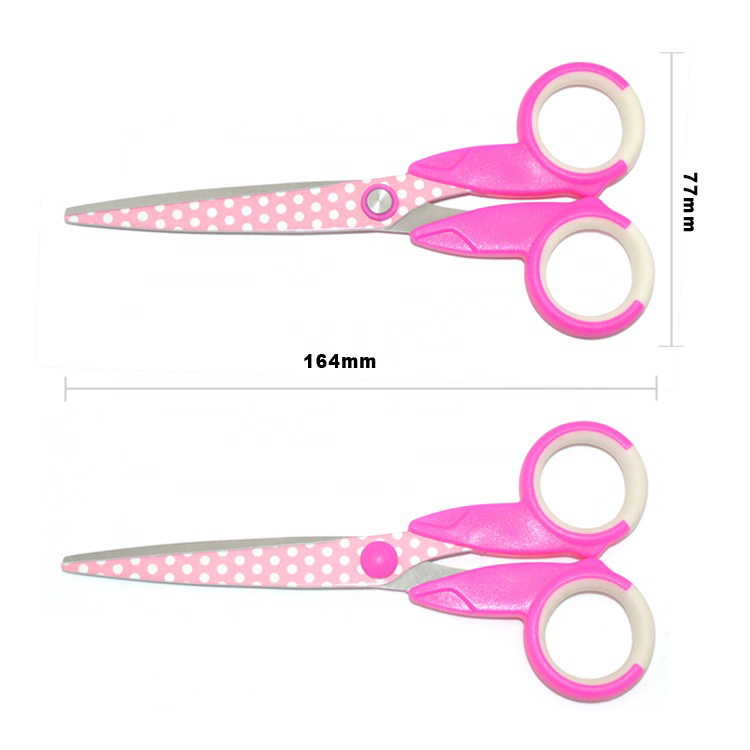
Classic Household Scissors: A Practical Guide for Everyday Home Use
Classic household scissors are one of the simplest tools in the home, yet they handle a wide range of daily jobs: opening packaging, cutting paper, trimming labels, preparing craft materials, and making quick household fixes. A good pair should feel comfortable in the hand, cut cleanly without excessive pressure, and be easy to store safely.
The original Bonet Houseware article introduced classic household scissors as durable, stylish, and functional, with references to series scissors, stainless steel blades, ergonomic handles, ambidextrous grips, and pink polka dot styling. This guide expands that idea into practical selection and care advice so shoppers can choose scissors based on use, comfort, safety, and maintenance rather than appearance alone.
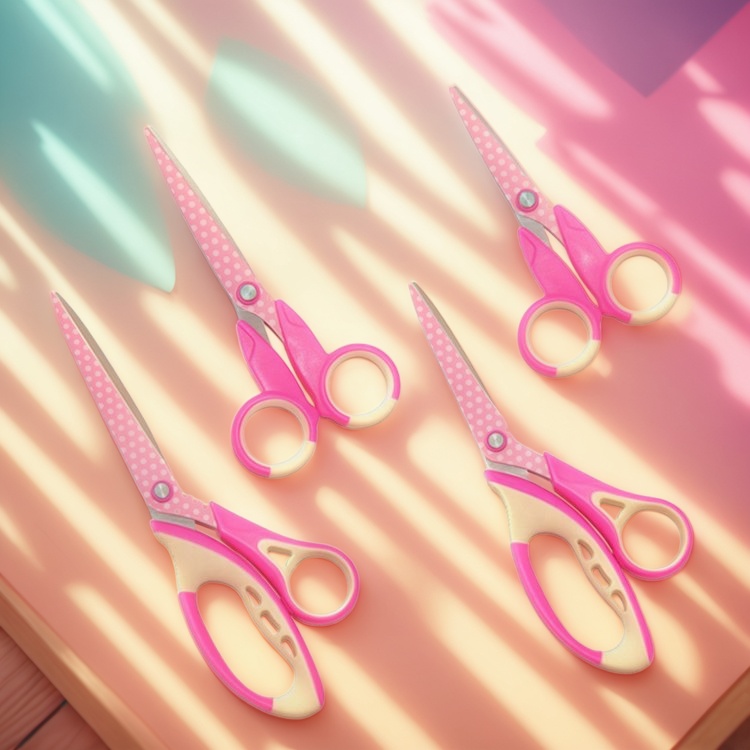
What Makes Household Scissors Different?
Household scissors are general-purpose cutting tools, not highly specialized tailor shears, kitchen poultry shears, or industrial cutters. Their value comes from versatility. In a typical home, one pair may move from a desk drawer to a craft box, then to a utility shelf for opening cartons or cutting string.
The best choice depends on the tasks you perform most often. If you mainly cut paper, gift wrap, and tape, you may prioritize smooth blade action and easy cleaning. If you do crafts, comfort and precision matter more. If several family members use the same scissors, a handle shape that works for both left- and right-handed users can be useful.
Key Features to Check Before Buying
When comparing classic household scissors, look beyond color and pattern. A decorative handle, such as a polka dot design, can make scissors easy to identify in a drawer, but performance comes from the blade, pivot, and handle fit.
- Blade material: The source article refers to stainless steel blades, a common choice for household scissors because they are practical for everyday cutting and relatively easy to maintain.
- Sharpness: Sharp scissors for home use should cut paper cleanly from base to tip without snagging.
- Handle comfort: Ergonomic handles can reduce hand strain during repeated cuts, especially for craft projects or wrapping tasks.
- Ambidextrous usability: If a pair is described as suitable for left- and right-handed users, test whether the grip and blade visibility feel natural for both.
- Pivot stability: The screw or rivet area should feel secure. Loose blades can fold paper instead of cutting it.
- Size and storage: Choose a size that fits your drawer, craft case, or home office organizer.
Comparison Checklist for Common Home Tasks
Use the checklist below to match household scissors with realistic daily needs. This is especially helpful if you are selecting one pair for shared household use rather than buying multiple specialized tools.
| Home task | What to look for | What to avoid |
|---|---|---|
| Opening packages | Firm blades, comfortable grip, easy-to-clean surface | Very small scissors that require too much force |
| Paper and gift wrap | Smooth cutting action and sharp tips | Dull blades that tear or wrinkle paper |
| Craft projects | Good control, ergonomic handle, consistent blade alignment | Loose pivot or uncomfortable finger openings |
| Light fabric trimming | Sharp blade edge and clean closing action | Using the same scissors after cutting sticky tape |
| Shared family drawer | Visible handle design, safe storage, ambidextrous grip if needed | Leaving sharp tools loose where children can reach them |
How to Test Scissors at Home
After purchase, a simple test can tell you whether the scissors are suitable for your needs. Cut a straight line through standard paper, then try a curved line. The blades should not push the material away or leave uncut sections near the tip. If you plan to use them for crafts, test them on the type of paper or thin material you use most often.
Do not judge scissors only by how they feel during the first cut. Open and close them several times. The movement should feel controlled, not stiff or wobbly. If the handle is marketed as ergonomic, check whether your thumb and fingers rest naturally without pressure points.
Use and Care Tips for Longer Service
Even good household scissors can become frustrating if they are used for the wrong tasks or stored poorly. Basic care helps preserve sharpness and reduces the chance of sticky buildup.
- Keep one pair for clean household tasks such as paper, crafts, and labels.
- Avoid cutting wire, hard plastic, or thick cardboard unless the scissors are designed for that use.
- Wipe the blades after cutting tape, adhesive labels, or packaging with residue.
- Dry the scissors before storage, especially after cleaning.
- Store them closed in a drawer, holder, or craft box to protect the edges and prevent accidents.
- If the pivot feels stiff, check the manufacturer’s care advice before applying oil or attempting adjustment.
Style, Visibility, and Everyday Convenience
Style is not only decorative. A bright handle or pink polka dot pattern can help family members quickly identify the household scissors and return them to the correct place. This is useful in kitchens, craft rooms, home offices, and utility drawers where tools often get mixed together.
However, appearance should support function, not replace it. Before choosing a colorful pair, confirm that the handle is comfortable, the blades align properly, and the scissors suit your typical cutting tasks. A stylish pair that is uncomfortable will quickly be left unused.
When to Replace Household Scissors
Many people keep scissors long after they stop performing well. Replacement may be the better option if the blades are visibly damaged, the pivot cannot be tightened, or the scissors consistently fold material instead of cutting it. If the handles are cracked or uncomfortable, continued use may also cause hand fatigue.
For households that cut adhesive materials often, it can be practical to keep a separate utility pair for packaging and preserve another pair for paper or craft work. This simple habit keeps the cleaner pair sharper and more pleasant to use.
Key Takeaways
- Classic household scissors are general-purpose tools for paper, crafts, packaging, labels, and light trimming.
- Check blade sharpness, handle comfort, pivot stability, and safe storage before buying.
- Stainless steel blades and ergonomic handles are useful features when clearly specified by the product description.
- Decorative handles can improve visibility, but cutting performance should come first.
- Proper cleaning and task separation help scissors stay useful for longer.
FAQ
Can household scissors cut fabric?
They may handle light fabric trimming if they are sharp, but frequent fabric work is better done with scissors reserved only for fabric. Cutting tape, paperboard, or sticky materials can dull the edge and reduce clean fabric cutting.
How do I know if scissors are sharp enough?
Try cutting paper from the base of the blade to the tip. Sharp scissors should cut smoothly without tearing, snagging, or leaving sections uncut near the end.
Are ergonomic handles worth considering?
Yes, especially if you wrap gifts, craft, or cut repeatedly. A comfortable handle can reduce pressure on the fingers and make longer tasks easier.
Should one pair be used for every task?
One pair can cover many basic home tasks, but it is wise to avoid using the same scissors for sticky packaging and clean craft materials. Separating tasks helps maintain cutting quality.
What should I ask before buying online?
Check the stated blade material, handle design, overall size, intended use, care instructions, and whether the grip is suitable for left- and right-handed users if that matters in your household.
