




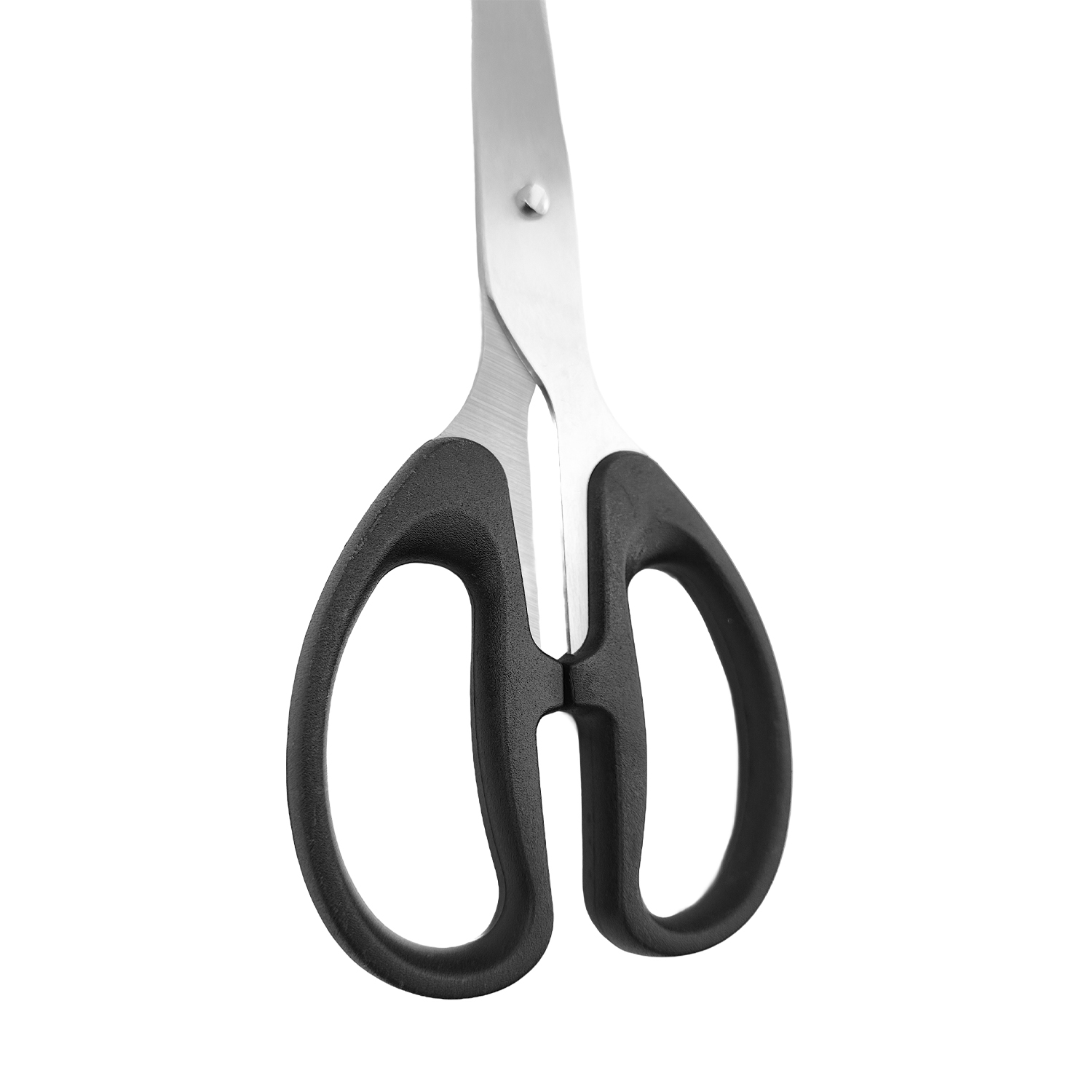
Classic Household Scissors: Practical Guide for Use and Sourcing

Classic household scissors remain one of the simplest tools to overlook and one of the most useful to choose carefully. A good pair should cut paper, packaging, thread, light craft materials, labels and everyday household items with steady control. For retailers, distributors and private-label buyers, the same product category also requires clear sourcing questions: What materials are used? How consistent is the blade alignment? Can the supplier support packaging, labeling or OEM requirements? This guide focuses on practical selection rather than exaggerated claims, helping both end users and B2B buyers evaluate household scissors with more confidence.
Key Takeaways
- Classic household scissors are general-purpose tools, so comfort, blade alignment and intended use matter more than appearance alone.
- For wholesale or OEM sourcing, ask suppliers for material details, sample review, packaging options, inspection process and lead-time information.
- Do not assume a steel grade, certification or performance result unless the supplier provides documented confirmation.
- Basic care, including dry storage and cleaning after messy tasks, helps maintain everyday cutting performance.
What Makes Household Scissors Classic?
The term classic household scissors usually refers to a familiar, straight-blade design with handles sized for repeated daily tasks. Unlike specialized kitchen shears, fabric shears or office paper cutters, household scissors are expected to cover a wide range of light to medium jobs. Their value comes from dependable handling: the blades should meet cleanly, the pivot should not feel loose, and the handles should allow a comfortable grip for both quick snips and longer cutting lines.
The original product context highlights a simple household-scissors style promoted for everyday cutting and OEM interest. That is useful, but buyers should still verify the exact specifications before making purchasing decisions. Terms such as stainless steel, soft grip, ergonomic handle or rust resistance should be treated as supplier-provided specifications that need confirmation through samples, product sheets or test information.
Common Uses Around the Home, Office and Workshop
A versatile pair of household scissors can reduce the need to keep multiple basic cutting tools in different rooms. Typical uses include opening mail, trimming paper, cutting tags, preparing craft materials, snipping loose threads, cutting tape and breaking down light packaging. In small offices, they are often used for envelopes, labels and simple display materials. In craft spaces, they can support quick cuts in paper or thin decorative materials, although fabric or heavy card may require a more specialized tool.
To avoid early wear, match the scissors to the task. Avoid using a general household pair on hard plastic, wire, thick cardboard, frozen food packaging or adhesive-heavy materials unless the supplier confirms the product is designed for those uses. Misuse can dull the blades, loosen the pivot or create uneven cutting.
B2B Sourcing Checklist for OEM and Wholesale Buyers
When sourcing classic household scissors from a factory or trading supplier, start with a written checklist. This keeps price discussions connected to quality expectations and reduces misunderstandings during sampling and production. Buyers considering OEM scissors, wholesale household scissors or Yangjiang scissors suppliers can use the following table as a starting point.
| Check Item | What to Ask the Supplier | Why It Matters |
|---|---|---|
| Blade material | What steel or blade material is used, and can it be documented? | Material affects sharpness, corrosion resistance and product positioning. |
| Blade alignment | How is blade fit checked during production? | Poor alignment leads to folding, tearing or uneven cuts. |
| Handle material | What handle material and color options are available? | Handle comfort and appearance influence customer satisfaction. |
| Pivot construction | Is the pivot adjustable, fixed or riveted? | The pivot affects smooth movement and long-term stability. |
| Packaging | Can the supplier support retail card, bulk packing or private-label packaging? | Packaging affects shelf presentation, logistics and market compliance. |
| Samples | Can pre-production samples be reviewed before ordering? | Samples help confirm cutting feel, finish and packaging accuracy. |
| Quality inspection | What inspection steps are used before shipment? | Inspection reduces risk of inconsistent products reaching customers. |
How to Evaluate Samples Before Placing an Order
Sample review should be practical and repeatable. Rather than judging only by appearance, test several pairs from the same sample batch. Cut plain paper from heel to tip, then try light packaging, thin thread and a label or tag. The scissors should cut without chewing the material or forcing the hand to squeeze excessively. Open and close the handles several times to check for smooth movement, scraping, looseness or stiffness.
For B2B buyers, record observations in a sample approval sheet. Include product weight, handle feel, blade finish, packaging accuracy, barcode or label placement if applicable, and any visible defects. If a supplier offers customization, confirm which details are customizable and which require tooling, artwork approval or additional commercial terms. Avoid assuming minimum order quantity, pricing, lead time or certifications until the supplier confirms them in writing.
Product Selection Tips for End Users
Consumers selecting household scissors should focus on hand comfort and likely tasks. If the scissors will be kept in a kitchen drawer for packaging and labels, choose a size that is easy to grip and clean. If they will be used for crafts or school projects, smooth blade movement and controlled tips are important. For shared household use, a balanced general-purpose size is usually more practical than a very large or very small pair.
- Hold the scissors and check whether the finger openings feel comfortable.
- Open and close them to feel for smooth, even movement.
- Cut a sheet of paper in a continuous line to check alignment.
- Inspect the tips and edges for burrs or rough finishing.
- Store them in a consistent location so they are not used on unsuitable materials.
Care and Maintenance for Longer Service
Basic maintenance can make classic household scissors more reliable over time. Wipe the blades after cutting tape, stickers or food packaging that leaves residue. Dry the scissors before storage, especially if they have been exposed to water. Keep them out of loose toolboxes where the edges may knock against metal objects. If the pivot is designed to be adjusted, follow the supplier's guidance; if it is fixed, do not force it.
It is also helpful to separate scissors by use. A household pair used on adhesive tape may not be ideal for clean paper or craft work. If a business sells scissors as part of a homeware range, care instructions on packaging or product pages can reduce returns caused by misuse.
FAQ
Are classic household scissors the same as kitchen shears?
No. Household scissors are general-purpose tools, while kitchen shears may be designed for food preparation tasks. Always check the supplier's intended-use information.
Can household scissors be used for fabric?
They can cut small fabric pieces in some cases, but dedicated fabric shears are better for clean textile work. Using household scissors on tough materials may dull them faster.
What should wholesale buyers confirm before ordering?
Ask about blade and handle materials, sample availability, packaging options, inspection process, lead time, labeling requirements and any requested compliance documents.
How can I tell if a sample is acceptable?
Check smooth opening, comfortable grip, clean paper cutting, consistent blade contact, neat finishing and packaging accuracy. Test more than one sample when possible.
Should buyers request certifications?
If certifications or test reports are important for your market, ask the supplier what documentation is available. Do not rely on assumptions or general product descriptions.
