




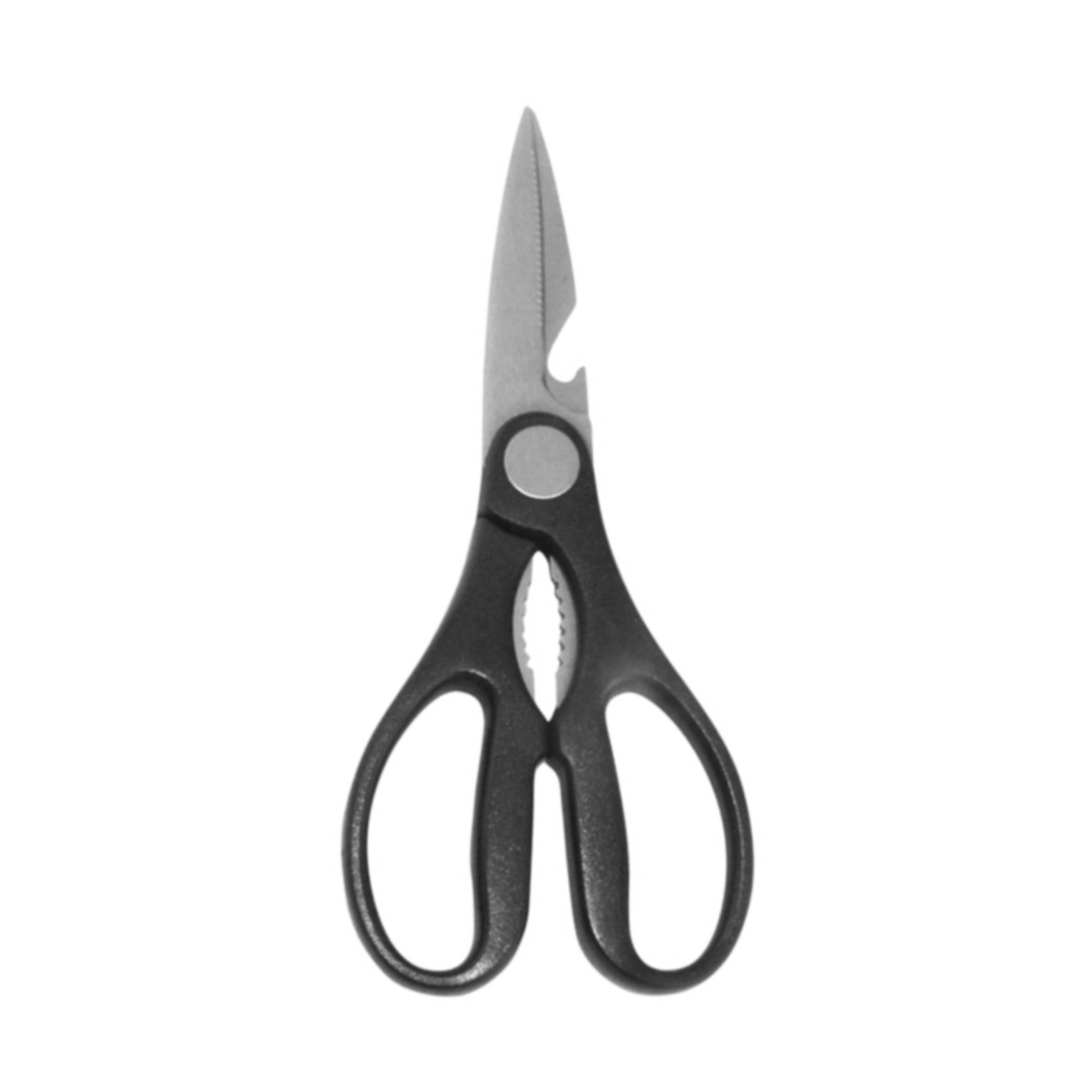
Classic Kitchen Scissors: Essential Tools for Modern Kitchens
Classic kitchen scissors remain one of the simplest and most useful cutting tools in a kitchen. They are used for everyday prep tasks such as snipping herbs, trimming poultry, cutting food packaging and opening stubborn bags. For retailers, importers, hospitality buyers and private-label brands, they are also a practical product category because the design is familiar, the use case is clear and the buying decision depends on details that can be checked before ordering.

This guide explains how to assess classic kitchen scissors from a product and sourcing perspective. It does not assume unverified specifications. Instead, it focuses on the questions buyers should ask a kitchen scissors factory or kitchen shears manufacturer before placing a wholesale or OEM order.
Why Classic Kitchen Scissors Still Matter
Many kitchen gadgets solve narrow problems, but classic kitchen scissors handle a wide range of small cutting jobs. A good pair can reduce the need to reach for a knife and cutting board when the task is simple. For home cooks, that means faster preparation. For commercial kitchens, test kitchens and food-service environments, it can mean fewer interruptions during repetitive prep work.
The key benefit is control. Scissors allow users to cut directly over a bowl, pan or tray. Herbs can be snipped into smaller pieces, poultry skin or excess fat can be trimmed, and twine or food packaging can be opened without switching tools. These are ordinary tasks, but they are exactly why kitchen scissors stay relevant in modern kitchens.
Common Uses to Consider Before Buying
Before comparing suppliers, buyers should define the intended use. A retail gift set, a budget household line and a professional prep tool may look similar online, but they may require different handle designs, blade thickness, packaging and quality expectations.
- Snipping herbs, scallions and leafy greens directly into dishes.
- Trimming poultry skin, fins or small food portions during preparation.
- Opening food packaging, vacuum bags, seasoning packets and string.
- Cutting kitchen twine, parchment paper or light food wraps.
- Supporting general kitchen prep where a knife is less convenient.
If the product will be marketed for heavier tasks, buyers should request clear confirmation from the supplier about recommended use limits. Avoid advertising functions such as bone cutting, nut cracking or bottle opening unless those features are actually built into the product and supported by supplier documentation.
OEM Kitchen Shears: What Custom Buyers Should Clarify
OEM kitchen shears can be customized for brand owners, distributors and retailers, but customization should be managed carefully. A logo on the handle or packaging is only one part of an OEM project. Buyers should also confirm whether the supplier can support the preferred blade style, handle color, packaging format and instruction labeling.
Important OEM questions include: What customization options are available? What artwork files are required? Can the supplier provide pre-production samples? How are changes approved before mass production? What is the expected lead time after sample confirmation? Are replacement parts, spare packaging or mixed assortments available? These details help prevent misunderstandings between the buyer and manufacturer.
Commercial terms such as MOQ, unit price, tooling fees and delivery schedule should be requested directly from the supplier. They should not be assumed from a product photo or generic listing.
How to Evaluate a Kitchen Scissors Factory
When working with a kitchen scissors factory, the goal is not only to find a low price. Buyers need consistent quality, clear communication and reliable order execution. A serious evaluation should include product samples, packaging review and written confirmation of the agreed specifications.
Ask how the factory checks blade alignment, opening and closing smoothness, handle finish and packaging condition. Ask whether inspection reports can be provided for each order. If the product will be sold in a regulated market, confirm what compliance documents the buyer is responsible for and what documents the supplier can provide. Do not rely on verbal claims for certifications, food-contact compliance or test results; request current documents and confirm they match the product being purchased.
Comparison Checklist for Sourcing Decisions
| Item to Check | Why It Matters | Question for Supplier |
|---|---|---|
| Blade material and finish | Affects cutting performance, corrosion resistance and customer expectations. | What material is used, and can you provide written specification details? |
| Handle design | Influences comfort, grip and suitability for different hand sizes. | Can samples be tested for grip comfort during repeated cutting? |
| Opening and closing action | Stiff or loose movement can lead to poor user experience. | How is hinge or pivot consistency checked before shipment? |
| Packaging | Impacts retail presentation, shipping protection and labeling space. | What packaging options are available for wholesale or private label orders? |
| OEM branding | Brand placement must match design and durability expectations. | Where can the logo be applied, and what sample approval process is used? |
| Quality control | Reduces the risk of inconsistent goods in bulk orders. | What inspection steps are performed and documented? |
Product Selection Tips for Retailers and Distributors
For a retail line, choose a product position before choosing the final model. Entry-level kitchen scissors may focus on simple daily use and economical packaging. Mid-range products may need better grip feel, cleaner finishing and stronger shelf presentation. Professional or premium-positioned shears require especially careful validation of performance claims.
- Order samples from shortlisted suppliers and test them on realistic kitchen tasks.
- Compare cutting feel, handle comfort, opening resistance and ease of cleaning.
- Review packaging durability after simulated shipping and handling.
- Check whether the final sample exactly matches the quotation and specification sheet.
- Confirm the inspection standard before paying for bulk production.
For online sales, product copy should be accurate and specific. Avoid broad statements such as “professional grade” unless the supplier can support the claim and the buyer has verified it. Clear use guidance often performs better for search and customer trust than exaggerated language.
Use and Care Guidance for End Users
Even classic kitchen scissors need basic care. Users should clean them promptly after cutting food, especially raw poultry or sticky packaging. If the product is dishwasher-safe, that should be stated by the supplier or on the product instructions; otherwise, hand washing and thorough drying are the safer general recommendation.
Store scissors in a dry place and avoid using them on materials beyond their intended purpose. Cutting wire, hard plastic or frozen food may damage the blades unless the manufacturer has designed and approved the product for those tasks. If the scissors feel loose, misaligned or difficult to close, they should be inspected before continued use.
Key Takeaways
- Classic kitchen scissors are valued because they solve frequent kitchen prep tasks simply.
- B2B buyers should confirm materials, features, packaging and inspection steps in writing.
- OEM kitchen shears require sample approval, artwork checks and clear production specifications.
- Do not advertise heavy-duty or multifunction claims unless the supplier supports them with product-specific information.
FAQ
What are classic kitchen scissors best used for?
They are best suited to common kitchen tasks such as snipping herbs, trimming poultry, cutting twine and opening food packaging. The exact use limits should follow the supplier’s product guidance.
How should a buyer compare OEM kitchen shears suppliers?
Compare samples, written specifications, packaging options, communication speed, inspection process and ability to support custom branding. Price matters, but it should be evaluated together with consistency and documentation.
Can kitchen scissors be customized for a private-label brand?
Many suppliers may offer OEM options such as logo placement, color selection or retail packaging. Buyers should ask what customization is available, whether tooling is needed and how pre-production samples are approved.
What should be included in a purchase specification?
A specification should list product dimensions if available, material details, finish, handle color, packaging, logo position, labeling requirements, sample reference and agreed inspection criteria.
How can end users keep kitchen scissors in good condition?
Clean them after food contact, dry them thoroughly, store them safely and avoid cutting materials outside the intended kitchen-use range. Follow any care instructions supplied with the product.
