




Cloth Shear Factory: Practical Sourcing Guide for Buyers
Choosing a cloth shear factory is not only about finding a low unit price. For distributors, sewing tool brands, fabric retailers, uniform suppliers, and tailoring businesses, the right factory relationship affects product consistency, packaging, repeat orders, and customer satisfaction. Cloth shears are simple tools on the surface, but buyers still need to evaluate blade quality, handle comfort, finishing, customization options, and the supplier’s ability to answer technical and commercial questions clearly.
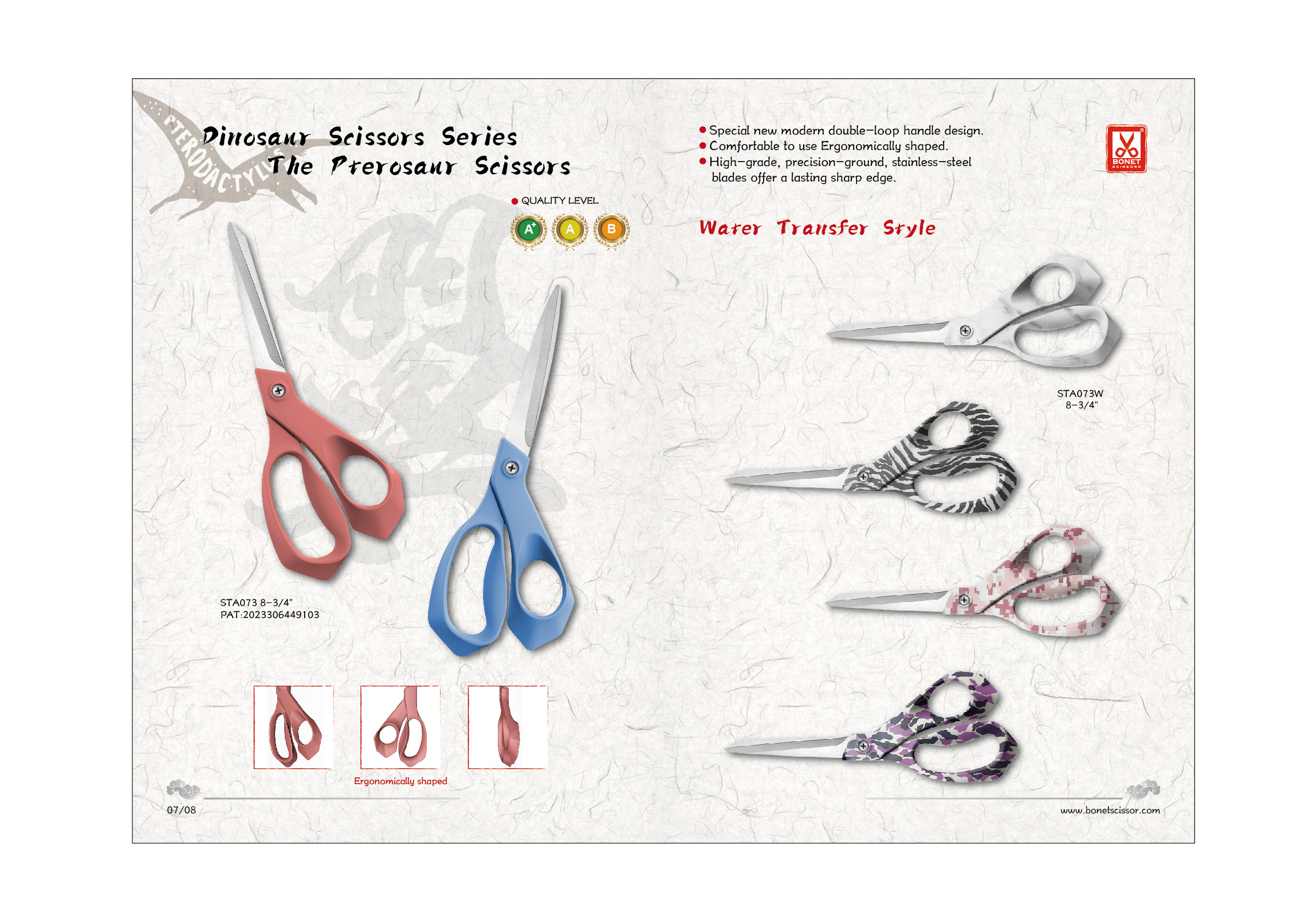
The original article highlighted Pterosaur Scissors, including precision-ground stainless-steel blades, a modern double-loop handle, and color or surface options such as coral red, blue, zebra stripes, and camouflage. This rewritten guide keeps those explicit product points while focusing on what professional buyers should check before placing wholesale, OEM, or private-label orders.
Key Takeaways
- A reliable cloth shear factory should provide clear information about materials, finishing, packaging, lead time, and quality control.
- For cutting performance, ask how blades are ground, sharpened, inspected, and protected before shipment.
- Ergonomic handle design matters for tailors, sewing workshops, and end users who cut fabric for long periods.
- Customization can include color, surface pattern, logo, packaging, or assortment planning, but details should be confirmed before ordering.
- Always request samples and define acceptance criteria before moving to larger wholesale or OEM production.
What Buyers Should Expect from a Cloth Shear Factory
A professional cloth shear factory should be able to explain its product range in practical sourcing terms. Buyers need to know which shears are suitable for tailoring, fabric cutting, home sewing, school use, craft kits, or retail display programs. A factory does not need to make broad claims to be credible; it should instead provide specific answers about available models, sizes, handle styles, surface treatments, packaging options, and inspection procedures.
For B2B purchasing, consistency is as important as the first sample. A good sample may cut well, but the full shipment must match the approved standard. Before confirming an order, ask how the supplier controls blade alignment, edge sharpness, handle fit, appearance defects, and packaging accuracy. If you are buying for a brand, also ask whether logo placement, artwork approval, and carton labeling can be managed according to your requirements.
Blade Quality: The Core of Cloth Shear Performance
The original product description states that the Pterosaur Scissors series features precision-ground stainless-steel blades. For buyers, this is a useful starting point, but it should lead to more detailed sourcing questions. Stainless steel can help with daily durability, but the actual cutting experience depends on grinding, edge geometry, tension, alignment, and finishing.
When evaluating a cloth shear sample, test it on common fabrics your customers use. A tailor shop may care about clean cutting through cotton, lining, denim, or layered fabric. A craft retailer may focus on lighter textiles and general home use. The sample should open and close smoothly, cut close to the tip, and avoid chewing or pushing fabric forward. If the shears are intended for professional use, ask the factory how it checks sharpness and whether each piece is inspected or sampled by batch.
Handle Comfort and User Experience
The Pterosaur Scissors series is described as using a special modern double-loop handle that is ergonomically shaped for comfort and designed to reduce hand fatigue during extended use. This is especially relevant for tailoring shops, sewing rooms, and users who cut repeatedly during the day. A handle that feels acceptable for one cut may become uncomfortable after continuous work.
For wholesale buyers, handle comfort should be reviewed with the end user in mind. Consider hand size, grip angle, finger opening, surface texture, and balance between blade and handle. If you serve both professional and consumer channels, you may need more than one model or color option. Ask whether the factory can provide samples for internal testing before you finalize an assortment.
Customization, Colors, and Retail Appeal
Customization is one reason buyers look for a cloth shear factory instead of purchasing generic stock only. The original article notes that Pterosaur Scissors are available in classic coral red and serene blue, as well as Water Transfer Style options with patterns such as zebra stripes and camouflage. These options can help buyers build a clearer retail range or support different brand identities.
However, customization should be managed carefully. Confirm whether the requested color, surface pattern, logo, or packaging is already available or requires new setup. Ask the supplier what information is needed for artwork, how color approval is handled, and whether a pre-production sample can be provided. Do not assume that every finish has the same cost, lead time, or durability; ask for written confirmation before issuing a purchase order.
Comparison Checklist for Factory Evaluation
| Evaluation Point | What to Check | Questions to Ask the Supplier |
|---|---|---|
| Blade construction | Material, grinding, edge sharpness, cutting consistency | What blade material is used, and how is sharpness inspected? |
| Handle design | Grip comfort, opening size, balance, long-use comfort | Can samples be tested before bulk production? |
| Customization | Color, pattern, logo, packaging, assortment options | Which options are standard, and which require extra setup? |
| Quality control | Appearance, movement, tension, blade alignment, carton checks | What inspection steps are used before shipment? |
| Commercial terms | MOQ, lead time, payment terms, sample policy | What are the current terms for my target order quantity? |
Sample Testing Before Wholesale or OEM Orders
Samples are essential when sourcing tailor scissors or cloth shears. A buyer should not rely only on photos, catalog wording, or a single specification line. Ask for representative samples in the blade type, handle color, and packaging style you intend to purchase. If the order involves a custom color or water transfer pattern, confirm whether the sample reflects actual mass production or is only a reference.
- Check the overall appearance, handle finish, blade finish, and any visible defects.
- Open and close the shears repeatedly to evaluate smoothness and tension.
- Cut different fabric types relevant to your target market.
- Test cutting from the base of the blade to the tip.
- Review packaging strength, barcode placement, labels, and retail presentation if needed.
Record your findings and share clear feedback with the factory. If changes are needed, request an updated sample or written confirmation of adjustments before approving production.
Questions to Ask Before Placing an Order
Because product pages may not include every commercial detail, buyers should ask direct questions. Useful questions include: What models are available for cloth and tailor use? What sizes can be supplied? What handle colors and surface patterns are currently available? Can the factory support logo printing or custom packaging? What is the current MOQ? What is the estimated production lead time? How are defective products handled? What export carton details can be provided?
It is also wise to ask for photos of current packaging options, product marking examples, and approved sample procedures. If your market has specific regulatory or labeling requirements, raise them early and ask the supplier what documentation can be provided. Avoid assuming compliance claims unless the supplier supplies relevant, current, and verifiable documents.
Practical FAQ
What makes a good cloth shear factory for B2B buyers?
A good factory provides consistent samples, clear product information, responsive communication, and transparent answers about materials, customization, quality control, MOQ, and delivery time.
Are stainless-steel blades enough to guarantee good cutting?
No. Stainless steel is one factor, but cutting quality also depends on grinding, edge sharpness, alignment, tension, and inspection. Always test samples on real fabrics.
Can cloth shears be customized for a private label?
Often they can, but options vary by supplier. Ask about logo methods, handle colors, water transfer patterns, packaging artwork, sample approval, MOQ, and lead time.
How should buyers compare different tailor scissors samples?
Use the same fabric tests for each sample, compare comfort after repeated cutting, inspect appearance, and check whether the supplier can reproduce the approved sample in bulk.
What should be confirmed before mass production?
Confirm the approved sample, product model, color or pattern, packaging, carton marks, order quantity, inspection standard, lead time, payment terms, and shipment arrangement in writing.
Final Sourcing Advice
A cloth shear factory should be evaluated through product performance, communication quality, and production reliability. The Pterosaur Scissors details in the original article, including precision-ground stainless-steel blades, ergonomic double-loop handle design, and available color or patterned styles, give buyers a useful product direction. The next step is careful verification: request samples, test them with real fabric, compare customization choices, and ask practical questions before committing to wholesale or OEM production.
