




Colander Strainer Factory: Practical Sourcing Guide for Buyers
For retailers, distributors, importers, and private-label kitchenware brands, choosing a colander strainer factory is not only about finding a product that looks good in a catalog. A colander is a simple kitchen tool, but buyers still need to evaluate drainage performance, handling comfort, packaging durability, material claims, and supplier communication before placing an order.
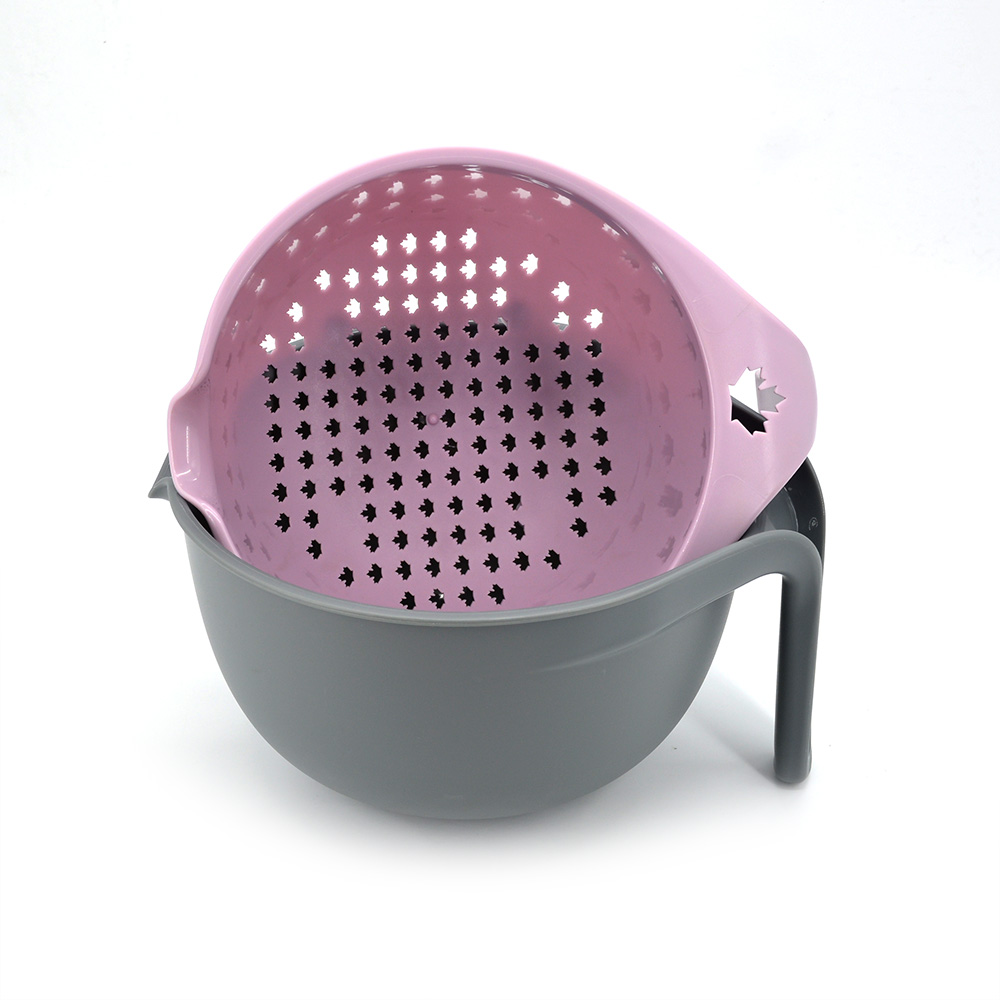
The original product concept described a dual-toned colander and mixing bowl set designed for rinsing vegetables, draining pasta, and general food preparation. It also highlighted precision-crafted drainage holes, ergonomic handles, durable materials, and BPA-free plastic. Those are useful starting points, but B2B buyers should verify each detail through samples, documentation, and clear specifications before confirming production.
Key Takeaways
- A colander and mixing bowl set should be evaluated for drainage speed, grip comfort, nesting fit, and ease of cleaning.
- Do not rely only on product descriptions; request samples and written confirmation of materials, color, packaging, and labeling.
- If BPA-free plastic is important for your market, ask the supplier what documentation can support that claim.
- For OEM or wholesale sourcing, confirm customization options, inspection standards, lead times, carton packing, and after-sales handling.
What Buyers Should Look for in a Colander Strainer Set
A practical colander strainer set should perform well in daily kitchen tasks. The drainage holes need to release water efficiently without allowing common foods, such as chopped vegetables or pasta, to slip through too easily. Hole placement is also important: drainage should continue even when the colander is tilted or placed inside its matching bowl.
The dual-toned design mentioned in the source article may help a product stand out on shelves or in online listings, but color should not distract from function. Buyers should check whether the color combination suits their target market and whether the supplier can keep the color consistent across production batches. If a brand plans to sell the set as part of a coordinated kitchenware range, color matching becomes even more important.
Drainage, Handles, and Bowl Fit
Drainage is the main job of a colander. During sample review, fill the colander with wet vegetables or cooked pasta and observe how quickly water leaves the tool. Check whether water collects around the base or rim. A well-designed pattern of drainage holes can make washing and straining more efficient without requiring the user to shake the product aggressively.
Ergonomic handles were also noted in the original article. For buyers, this should be tested with both dry and wet hands. Handles should feel stable when the colander is full, and they should not create sharp pressure points. If the colander is paired with a mixing bowl, the fit should be secure enough for rinsing and draining, but not so tight that the pieces are difficult to separate after washing.
Comparison Checklist for Supplier Evaluation
The table below can help purchasing teams compare samples from different factories or manufacturers. It is not a replacement for formal inspection, but it gives buyers a practical starting point.
| Evaluation Point | What to Check | Questions to Ask the Supplier |
|---|---|---|
| Material claim | Plastic type, feel, rigidity, odor, and finish | Can you confirm the material used and provide documentation for BPA-free claims if required? |
| Drainage design | Hole size, hole distribution, water flow, and food retention | Can the hole pattern be adjusted for an OEM project? |
| Handle comfort | Grip shape, edge smoothness, and stability when loaded | Can you share handle dimensions or improve grip based on buyer feedback? |
| Bowl compatibility | Nesting fit, separation ease, and stability during use | Is the bowl designed as a matched set, and can both pieces be packed together securely? |
| Color consistency | Dual-tone appearance and batch-to-batch color control | Can you match buyer-provided color references or Pantone targets? |
| Packaging | Retail presentation, carton strength, and transit protection | What packaging options are available for wholesale, retail, or e-commerce shipments? |
Questions to Ask a Colander Strainer Factory
Before discussing price, buyers should make sure the factory understands the product brief. A clear specification sheet reduces misunderstandings and helps both sides confirm what will be produced. The brief should include item structure, color, logo requirements, packaging style, labeling needs, target market, and inspection expectations.
Useful supplier questions include:
- What material is used for the colander and mixing bowl, and how is the BPA-free claim supported?
- Can you provide pre-production samples before mass production?
- What customization options are available for color, logo, packaging, and drainage hole layout?
- How do you control color consistency and surface finish during production?
- What are the standard inspection steps before shipment?
- How are products packed to reduce scratching, deformation, or carton damage in transit?
- What commercial details, such as MOQ, lead time, payment terms, and sample cost, should be confirmed for this project?
This approach keeps the conversation practical. It also avoids assuming that every factory offers the same tooling, customization, testing support, or production schedule.
OEM, Wholesale, and Private-Label Considerations
For OEM buyers, the colander strainer set may need more than a color change. A private-label project could involve a unique handle shape, different drainage pattern, embossed logo, sleeve packaging, barcode labels, or a coordinated bowl color. Each change can affect tooling, sampling time, cost, and inspection standards, so the supplier should explain what is already available and what requires new development.
Wholesale buyers may focus more on stable supply, practical packaging, and consistent product appearance. If the item will be sold through online channels, packaging should protect the set during parcel delivery, not only pallet shipment. If it will be sold in stores, the retail presentation should allow customers to understand the two-piece set quickly.
Because the original article describes the product as a plastic colander and mixing bowl set, buyers should be careful with market-specific requirements. Rather than assuming compliance, ask what documents the supplier can provide and whether those documents match the destination market and intended food-contact use.
Sample Review Tips Before Placing an Order
Samples are essential for a kitchenware product that will be handled often. During review, wash the colander and bowl, test them with hot and cold foods where appropriate for the product instructions, and check whether surfaces are smooth enough for easy cleaning. Look for rough edges around drainage holes, uneven coloring, warping, or poor nesting.
It is also helpful to test the set in realistic situations: rinsing leafy vegetables, draining pasta, washing fruit, and mixing ingredients in the bowl. Record observations with photos or short videos, then send structured feedback to the supplier. If changes are requested, confirm whether the next sample will represent actual production quality.
Practical FAQ
What makes a good colander strainer factory for B2B buyers?
A good supplier communicates clearly, provides consistent samples, answers technical questions, explains customization limits, and supports quality checks before shipment. Buyers should verify details rather than relying only on promotional claims.
Is a colander and mixing bowl set better than a standalone colander?
For many users, a matched bowl is useful because it can catch water, hold washed produce, or support food preparation. Buyers should check that the colander and bowl fit well together and separate easily after use.
Can drainage holes be customized?
Some factories may be able to adjust the hole pattern, but this depends on tooling and production method. Ask the supplier whether changes are possible, whether new tooling is needed, and how changes affect cost and timing.
How should buyers verify BPA-free claims?
If BPA-free plastic is important for your product listing or destination market, request written confirmation and relevant supporting documents from the supplier. Make sure the documents apply to the actual product and material being ordered.
What should be confirmed before mass production?
Confirm the approved sample, material, color, logo, packaging, carton details, inspection criteria, lead time, payment terms, and shipment plan. Keeping these details in writing helps reduce disputes and production errors.
