




Colander Strainer Factory: B2B Sourcing Guide for Practical Kitchenware
A colander is a simple kitchen tool, but for retailers, importers, distributors, and private-label buyers, sourcing the right colander strainer requires more than choosing a color and placing an order. The product must drain efficiently, feel stable in the hand, fit common kitchen tasks, and arrive in packaging suitable for the sales channel. When evaluating a colander strainer factory, buyers should look at product design, material information, production consistency, customization options, and the supplier’s ability to answer commercial and quality questions clearly.
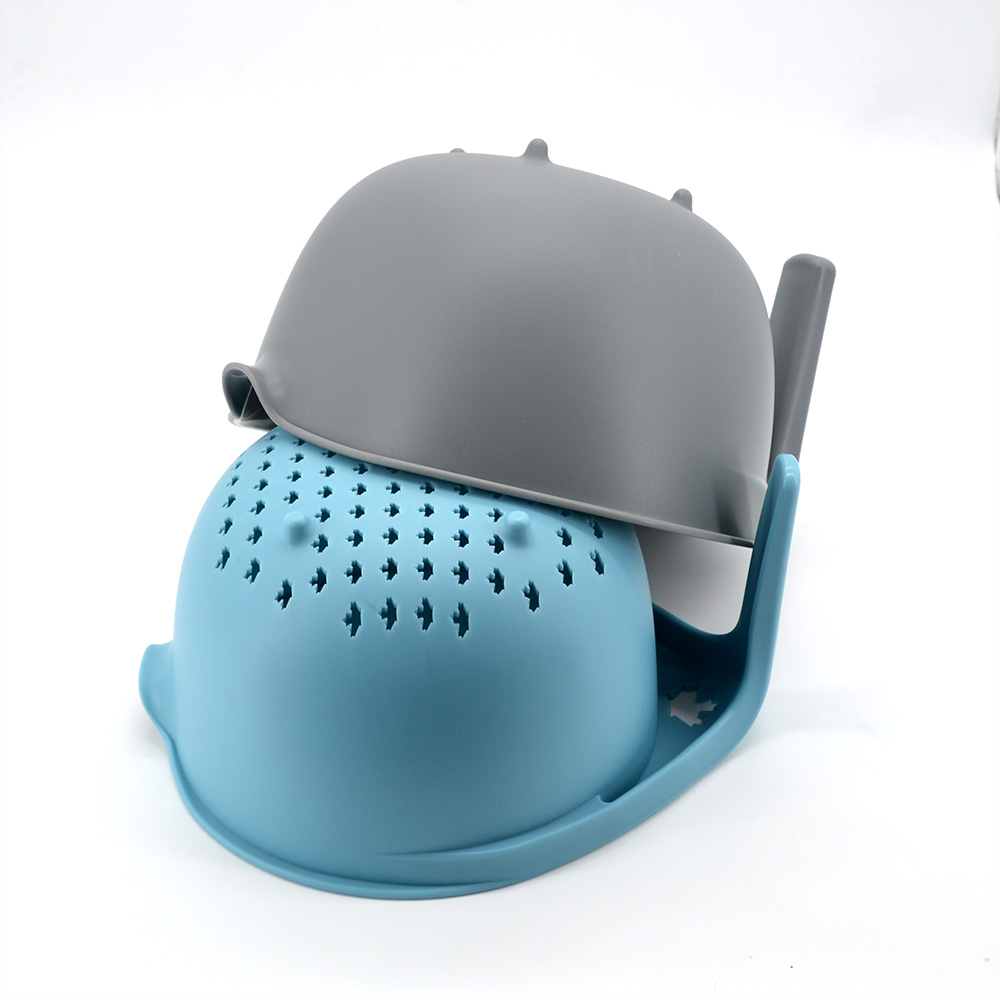
The original article highlighted Bonet Houseware’s focus on colander manufacturing, including food-grade plastic colanders and a Dual-Tone Colander and Mixing Bowl Set. It also noted maple-leaf patterned perforations, easy-grip handles, and precise pour spouts. This rewritten guide expands those points into practical sourcing guidance so buyers can compare suppliers more effectively and reduce avoidable product issues.
What Buyers Should Expect from a Colander Strainer Factory
A capable colander supplier should understand both everyday kitchen use and the requirements of bulk purchasing. For consumers, a colander is used for rinsing vegetables, draining pasta, washing fruit, and handling food preparation. For B2B buyers, the same product must also meet expectations for repeatable quality, packaging durability, carton labeling, color consistency, and after-sales communication.
Before discussing price, ask the factory what product categories it can support. Does it focus on plastic colanders, bowl-and-colander sets, handheld strainers, nested kitchen tools, or custom private-label kitchenware? If you are sourcing the Dual-Tone Colander and Mixing Bowl Set or a similar product, confirm whether the bowl and colander are designed as a functional set or simply bundled together. A well-designed set should stack neatly, separate easily, and allow practical food preparation tasks without awkward handling.
Material and Food-Contact Questions to Ask
The source article mentions food-grade plastic, which is an important starting point. However, buyers should avoid assuming details that are not provided in writing. Ask the supplier to identify the exact plastic material used, whether colorants are suitable for food-contact applications, and what documentation can be provided for the target market.
Useful supplier questions include:
- What material is used for the colander and mixing bowl?
- Can the supplier provide food-contact documentation relevant to the buyer’s destination market?
- Are there different material options for budget, mid-range, or premium product lines?
- How does the factory manage color consistency between production batches?
- Can samples be provided before confirming a bulk order?
These questions help buyers compare suppliers without relying on vague claims. If a factory states that a product is made from food-grade plastic, request the supporting details and keep them on file for internal review.
Drainage Design: Why Perforation Layout Matters
Drainage performance is one of the most important product attributes. A colander that drains slowly frustrates users, while holes that are too large may allow small food items to escape. The original product description refers to signature maple-leaf patterned perforations. This is a useful design feature to review because perforation shape, quantity, and placement all affect function.
When reviewing a sample, test it with common foods such as leafy vegetables, berries, rice-sized items if relevant, and pasta. Pour water through the colander and observe whether liquid drains evenly from the base and sides. Check whether water pools in corners or at the bottom rim. A decorative perforation pattern should still serve the primary purpose of efficient drainage.
Handles, Pour Spouts, and Everyday Usability
Small design details can influence product reviews and repeat purchasing. The original article notes ergonomic designs with easy-grip handles and precise pour spouts. Buyers should inspect these features carefully. Handles should feel comfortable, especially when the colander is wet or filled with food. They should not have sharp edges, weak connection points, or a shape that becomes slippery during use.
Pour spouts are also worth testing. Fill the bowl or colander set with water and pour slowly into a sink or container. A useful pour spout should guide liquid predictably and reduce splashing. For a mixing bowl and colander set, check whether the spout works when the bowl is full and whether the colander remains stable during use.
Comparison Checklist for Factory Evaluation
The table below can help sourcing teams compare multiple colander strainer factories using practical criteria instead of relying only on price.
| Evaluation Area | What to Check | Questions for the Supplier |
|---|---|---|
| Material | Plastic type, food-contact suitability, colorants | What material is used, and what documents can be provided? |
| Drainage | Hole size, pattern, side and base drainage | Can samples be tested with different food types? |
| Design | Handles, pour spouts, stacking, bowl fit | Are design adjustments available for OEM projects? |
| Quality Control | Surface finish, burrs, warping, batch consistency | What inspection steps are used before shipment? |
| Packaging | Retail box, label, barcode, carton strength | Can packaging be customized for wholesale or retail channels? |
| Commercial Terms | MOQ, lead time, sample policy, payment terms | What terms apply to first orders and repeat orders? |
OEM and Wholesale Considerations
For OEM and private-label buyers, customization is often part of the sourcing process. Possible discussion points include color combinations, logo placement, packaging artwork, barcode labels, instruction inserts, and carton marks. If the product is a dual-tone set, confirm how colors are selected and whether the factory can maintain the same color effect across repeat orders.
Do not assume that every factory offers the same level of customization. Ask whether tooling changes are needed for new shapes, whether logo application affects unit cost, and what approval steps are required before mass production. For wholesale orders, clarify carton quantity, packing method, and whether the product can withstand normal warehouse and transportation handling.
Sampling and Quality Review Before Ordering
Samples are essential for kitchenware sourcing. A product photo cannot show edge smoothness, actual color, handle comfort, or drainage speed. Request pre-production or stock samples and review them using a consistent checklist. If your company has a quality team or third-party inspector, share inspection criteria early.
- Check the surface for scratches, rough edges, discoloration, and visible molding defects.
- Test drainage using water and common food items.
- Hold the handles when the product is wet and loaded.
- Confirm the bowl and colander fit securely if buying a set.
- Review packaging strength and barcode readability if applicable.
- Ask the supplier how defects are handled after delivery.
This process helps buyers identify issues before committing to a larger production run.
Key Takeaways
- A colander strainer factory should be evaluated on material clarity, drainage performance, usability, packaging, and communication.
- Food-grade plastic is a useful claim only when the supplier can explain the material and provide relevant documentation for the target market.
- Design elements such as maple-leaf patterned perforations, easy-grip handles, and pour spouts should be tested, not just described.
- OEM buyers should ask about color consistency, logo options, packaging, samples, MOQ, lead time, and inspection procedures.
FAQ
What should I ask a plastic colander manufacturer first?
Start with material, food-contact documentation, available product styles, sample policy, MOQ, lead time, and packaging options. These questions quickly show whether the supplier can support your market requirements.
Are decorative perforations practical for drainage?
They can be, but only if the hole size, layout, and placement allow water to drain efficiently. Always test a sample with real kitchen tasks before ordering.
What matters most in a colander and mixing bowl set?
Check that the colander and bowl fit together properly, separate easily, stack neatly, and allow controlled pouring. Handle comfort and stability are also important.
Can I request OEM colors or packaging?
Many kitchenware suppliers can discuss OEM options, but availability depends on the factory. Ask about color matching, logo methods, packaging artwork, approval samples, MOQ, and any added costs.
How can buyers reduce sourcing risk?
Use samples, written specifications, clear packaging requirements, pre-shipment inspection criteria, and documented supplier communication before confirming bulk production.
