




Colorful Plastic Kid Scissors: Safe Craft Choices for Children
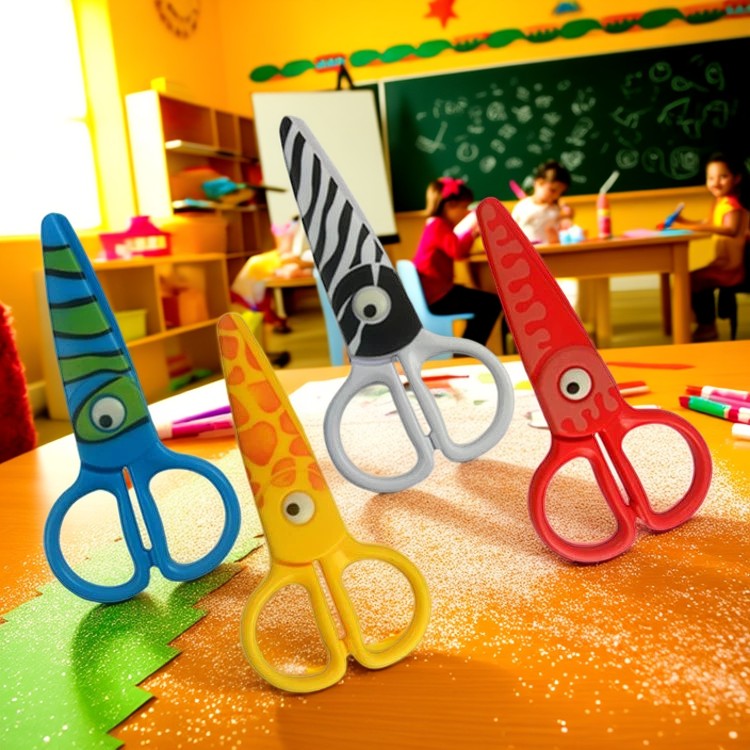
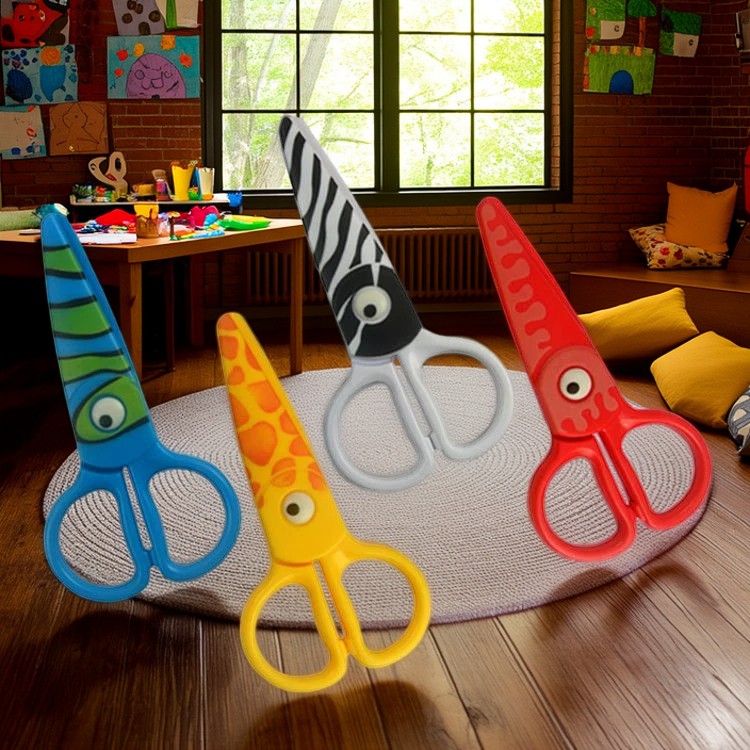
Colorful plastic kid scissors are small tools, but they play a big role in early craft learning. Children use scissors to build hand strength, practice coordination, follow shapes, and complete simple school or home projects. The right pair should feel inviting without encouraging careless use. Bright colors and animal-inspired designs, such as zebra stripes, giraffe-style orange spots, fish-inspired blues, or bold octopus red, can make craft time more engaging while still keeping attention on safe cutting habits.
The WildCut Creatures Scissors described in the original product article are presented as colorful plastic kid scissors with playful animal designs, rounded handles, and blunt-rounded blades. Those details are useful starting points for selection, but parents, teachers, and buyers should still evaluate age suitability, supervision needs, material information, and intended use before placing them in a classroom, art kit, or retail assortment.
Key Takeaways
- Choose kid scissors by safety, hand fit, cutting purpose, and supervision level, not by color alone.
- Blunt-rounded blade tips can reduce risk, but children still need clear cutting rules.
- Rounded, ergonomic handles are helpful when children use scissors for repeated paper craft tasks.
- Ask suppliers for product specifications, age guidance, packaging details, and any relevant test documentation before bulk purchasing.
- Use plastic kid scissors mainly for paper and lightweight craft materials unless the supplier clearly confirms broader use.
Why Color and Shape Matter in Kids Craft Tools
Children are more likely to participate in a craft activity when the tools feel approachable. Colorful scissors can help a teacher organize supplies by group, project, or workstation. Animal-inspired patterns can also support storytelling activities: one child may pick a zebra design for a jungle collage, while another chooses a blue fish design for an ocean scene. This kind of engagement is useful because cutting practice can otherwise feel repetitive.
However, visual appeal should never replace practical evaluation. A good pair of child-safe scissors should be easy to hold, controlled in the hand, and suited to the material being cut. If a child must force the scissors through paper, the motion becomes less predictable. If the handle holes are uncomfortable, the child may twist the wrist or grip too tightly. The best craft tool is one that supports learning without distracting from safe use.
Safety Features to Review Before Buying
The original description notes blunt-rounded blades and rounded handles. These are important features to look for because young users are still developing motor control. Rounded blade tips may help reduce accidental poking, while a handle designed for small hands can improve grip stability. Even so, scissors are cutting tools and should be introduced with rules.
For home use, parents can start with short supervised cutting sessions. For classrooms, teachers may want a collection point so scissors are handed out and returned before and after activities. For retailers or wholesale buyers, safety communication on packaging and product pages should be clear, age-appropriate, and not overstated.
- Confirm whether the scissors are intended for children and what age range the supplier recommends.
- Check that the blade tips are rounded and the cutting action is smooth.
- Make sure the handles are comfortable for the child’s hand size.
- Test on the intended material, such as paper or lightweight craft sheets.
- Store scissors in a fixed place after each activity.
Comparison Checklist for Selecting Kid Scissors
| Selection Point | What to Check | Why It Matters |
|---|---|---|
| Blade tip | Look for blunt-rounded tips if the scissors are for children. | Helps reduce risk during supervised craft activities. |
| Handle shape | Check for rounded, comfortable openings. | Supports grip control and reduces hand strain. |
| Cutting use | Confirm whether the product is for paper, fabric, or lightweight materials. | Prevents forcing the scissors through unsuitable materials. |
| Design | Review colors, animal themes, and assortment options. | Helps with engagement, classroom sorting, and gift appeal. |
| Supplier details | Ask for specifications, packaging information, and available compliance documents. | Supports responsible sourcing and accurate product listings. |
How Children Can Use Them in Crafts
Colorful plastic kid scissors are most useful in structured, low-risk projects. Paper snowflakes, greeting cards, collage shapes, simple worksheets, and scrap paper cutting practice are good starting points. Children can also cut lightweight craft materials if the supplier has confirmed the scissors are suitable for that purpose. The original article mentions paper, fabric, and lightweight materials, but buyers should still verify the intended cutting range before relying on that claim for a classroom or product listing.
For beginners, straight-line practice is easier than curves. A parent or teacher can draw thick lines on paper and ask the child to cut slowly while keeping the other hand away from the blade path. As confidence improves, children can move to wavy lines, large circles, and basic shapes. The goal is not speed. The goal is controlled motion, safe positioning, and confidence.
Use and Care Tips for Parents and Teachers
Good habits extend the useful life of craft scissors and make group activities smoother. Wipe scissors after glue-heavy projects and remove paper fibers near the blade joint if they affect movement. Avoid soaking scissors unless the supplier says the product can be cleaned that way. Store pairs closed, dry, and separate from heavy tools that could damage the handles or blades.
Teach children to carry scissors with the blades closed and pointed downward, to pass them handle-first, and to cut only approved materials. These rules may seem basic, but repeating them builds safe routines. In classrooms, it can help to assign scissors by color or design so missing tools are easier to identify at the end of the lesson.
B2B Sourcing Notes for Retailers and School Buyers
If you are sourcing colorful plastic kid scissors for wholesale, classroom supply, private label, or a store assortment, treat the product as a children’s tool that needs careful documentation. Do not rely only on attractive images. Ask the supplier for the product’s material description, dimensions, recommended age range, blade construction, packaging format, carton information, labeling options, and care instructions. If certifications or test reports are important for your market, ask what documents are available and whether they apply to the exact model being purchased.
For OEM or branded projects, clarify color assortment, animal pattern availability, logo placement options, packaging artwork requirements, sample approval process, and production lead time. If MOQ, pricing, or compliance details are not published, request them directly instead of assuming. Responsible sourcing protects the buyer, the reseller, and the end user.
FAQ
Are colorful plastic kid scissors safe for all ages?
Not automatically. Check the supplier’s recommended age range and supervise young children during use. Rounded tips can help, but they do not remove the need for guidance.
Can these scissors cut fabric?
The original article mentions fabric and lightweight materials, but buyers should confirm the intended cutting use with the supplier. Many kid scissors are best suited to paper crafts.
Why choose animal-themed scissors?
Animal designs can make craft time more engaging and help children identify their own tools. They are also useful for classroom grouping or themed art projects.
What should wholesale buyers ask before ordering?
Ask about specifications, materials, age guidance, packaging, available documentation, sample approval, lead time, MOQ, and whether the product details match the exact design being purchased.
How should kids scissors be stored?
Store them closed, dry, and in a fixed location. In shared spaces, count pairs before and after activities so tools are not misplaced.
