




Colorful Plastic Kid Scissors: A Practical Guide for Safe Crafting
Colorful plastic kid scissors are a small tool with a big role in early creativity. Children use them for paper crafts, school projects, scrapbooking, classroom activities, and simple home art sessions. The right pair should help a child practice cutting with confidence while reducing avoidable risks. For parents, teachers, and stationery buyers, the goal is not just to find a bright design. It is to choose scissors that fit small hands, support controlled cutting, and match the materials children are likely to use.
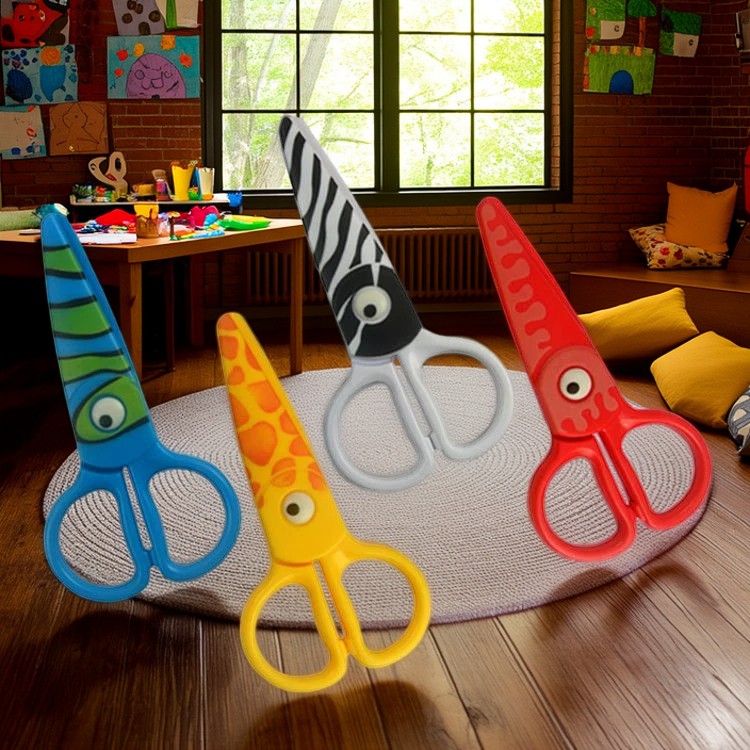
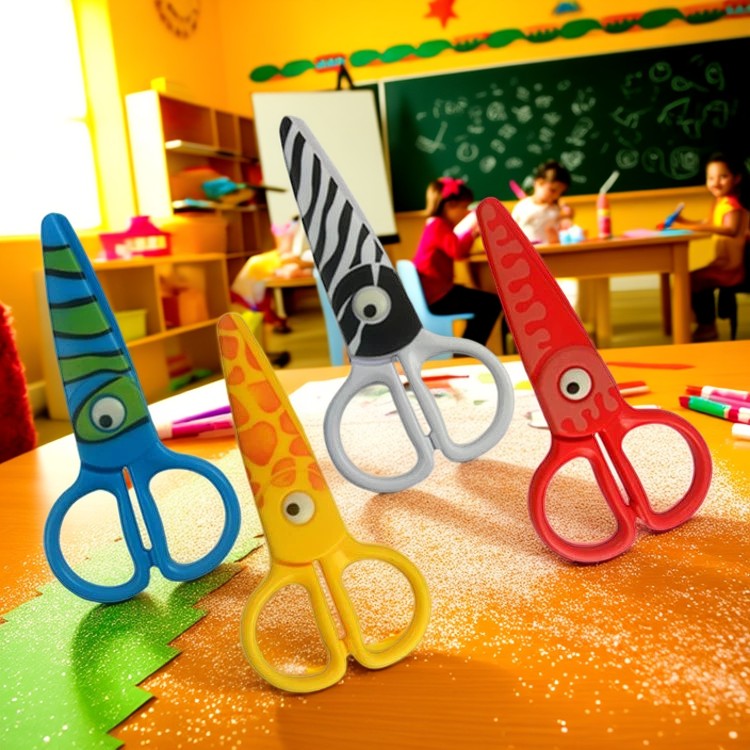
The original WildCut Creatures Scissors concept focuses on animal-inspired designs, including Zebra stripes, Giraffe orange spots, Fish-inspired blues, and a fire-red Octopus style. These visual details matter because children are often more willing to use tools that feel playful and personal. However, design should work together with comfort, supervision, and sensible use.
Key Takeaways
- Choose kid scissors with blunt-rounded blades for safer craft use.
- Check handle comfort, hand fit, and cutting control before buying in bulk.
- Use colorful designs to encourage participation, but do not treat color as a safety feature.
- Match scissors to common materials such as paper, fabric, and lightweight craft items.
- Teach storage, carrying, and cleaning habits from the first use.
Why Colorful Designs Help Children Engage
Children are naturally drawn to color, pattern, and characters. Animal-inspired scissors can make a routine cutting task feel like part of a craft story. A zebra pattern may suit a jungle collage, a giraffe design may fit an animal project, and bright fish or octopus themes can support ocean-themed classroom activities. This type of visual appeal can be especially useful for younger children who are still developing patience and fine motor skills.
That said, a fun appearance should never replace practical assessment. A pair of scissors may look exciting but still be unsuitable if the handles are uncomfortable, the blades are too difficult to control, or the tool is too large for the child. Treat the design as a motivation benefit, then evaluate safety and usability separately.
Safety Features to Look For
The source product description highlights blunt-rounded blades, which are an important feature for child-safe scissors. Rounded blade tips help reduce the chance of accidental pokes during normal supervised craft use. This is particularly relevant in classrooms, art corners, and shared activity tables where children may reach across one another.
Safe scissors should also allow clean cutting without requiring excessive force. If children must squeeze too hard, they may lose control or become frustrated. The original description states that these scissors are intended to cut through paper, fabric, and lightweight materials. In practice, adults should still test the scissors with the exact materials planned for use, because thickness, texture, and layering can change cutting performance.
Handle Comfort and Control
Handles are as important as blades. The original article mentions ergonomic, rounded handles designed for little hands. Rounded handle shapes can reduce pressure points and make longer craft sessions more comfortable. For children, comfort often improves control. A child who can grip scissors naturally is more likely to keep the tool pointed in the right direction and cut slowly along a line.
Before choosing scissors for a home, classroom, or activity kit, observe how the child holds them. The thumb should fit comfortably in the upper loop, and the fingers should not be pinched. If the child has to twist the wrist sharply, the scissors may not be the right fit. For group buying, consider whether the scissors work for the age range using them, not just for one child.
Comparison Checklist for Selection
Use this checklist when comparing colorful plastic kid scissors for home, school, or craft program use. It keeps the focus on practical performance rather than appearance alone.
| Selection Point | What to Check | Why It Matters |
|---|---|---|
| Blade tips | Look for blunt-rounded ends | Helps reduce accidental pokes during supervised use |
| Cutting materials | Test paper, fabric, and lightweight craft materials | Confirms the scissors match real project needs |
| Handle shape | Check for rounded, comfortable handles | Supports better grip and longer use |
| Child fit | Confirm size suits the child’s hand | Improves control and confidence |
| Visual appeal | Compare colors and animal patterns | Encourages interest without replacing safety checks |
| Storage routine | Plan a tray, pouch, or classroom bin | Reduces clutter and helps maintain safe habits |
Best Uses at Home and School
Colorful kid scissors are most useful when paired with age-appropriate craft tasks. At home, they can support greeting cards, paper animals, collage work, simple sewing preparation with fabric scraps, and holiday decorations. In school, they are useful for worksheets, classroom displays, art lessons, and group craft stations.
Adults should set clear rules before the activity starts. Children should sit while cutting, pass scissors handle-first, and keep blades closed when walking. These habits are simple but important. They also help children understand that creative tools still require care and attention.
Use and Care Tips
- Start with thin paper before moving to fabric or other lightweight materials.
- Show children how to hold the paper steady with the non-cutting hand away from the blade path.
- Wipe the scissors after messy craft sessions, especially after glue-heavy projects.
- Store scissors in a fixed place so children do not search for them unsupervised.
- Replace scissors if the handles crack, the blades loosen, or cutting becomes uneven.
Good care extends the useful life of craft scissors and keeps the cutting experience predictable. If scissors are shared by several children, inspect them regularly. A quick check before a classroom session can prevent frustration and reduce interruptions.
Buying Guidance for Parents, Teachers, and Stationery Buyers
For a single child, selection can be based on fit, supervision level, and preferred design. For classrooms, clubs, and stationery purchasing, consistency matters more. Buyers should ask practical questions before ordering: Are the blade tips rounded? What materials are the scissors intended to cut? Are the handles comfortable for the target age group? Are there multiple colors or designs to help identify sets? How should the scissors be packaged and stored?
Do not assume that every colorful pair is suitable for every child. A preschool craft table, an elementary classroom, and a family art box may all need different levels of durability and control. If possible, test samples before purchasing larger quantities.
Practical FAQ
Are colorful plastic kid scissors safe for all ages?
They should be used according to a child’s skill level and always with appropriate adult supervision. Blunt-rounded blades help reduce risk, but they do not remove the need for safe handling rules.
Can these scissors cut fabric?
The source description states that the scissors can cut paper, fabric, and lightweight materials. Adults should test the specific fabric first, especially if it is thick, layered, or textured.
Why choose animal-inspired designs?
Animal themes can make craft time more engaging. Designs such as Zebra, Giraffe, Fish, and Octopus styles can also help children identify their own scissors during group activities.
How should children carry scissors?
Teach children to close the blades, hold the scissors by the handle, and walk slowly. When passing them to another person, offer the handle first.
When should kid scissors be replaced?
Replace them if the handles are damaged, the blades feel loose, cutting becomes difficult, or the scissors no longer close properly.
Final Thoughts
Colorful plastic kid scissors work best when they combine playful design with practical safety and comfort. The WildCut Creatures Scissors idea uses bright animal-inspired patterns to encourage creativity, while features such as blunt-rounded blades and rounded handles support more confident use. For parents and educators, the smartest choice is to look beyond color alone: test the grip, check the materials, set clear rules, and keep scissors in good condition. With the right guidance, a simple pair of kid scissors can become a reliable part of everyday creative learning.
