




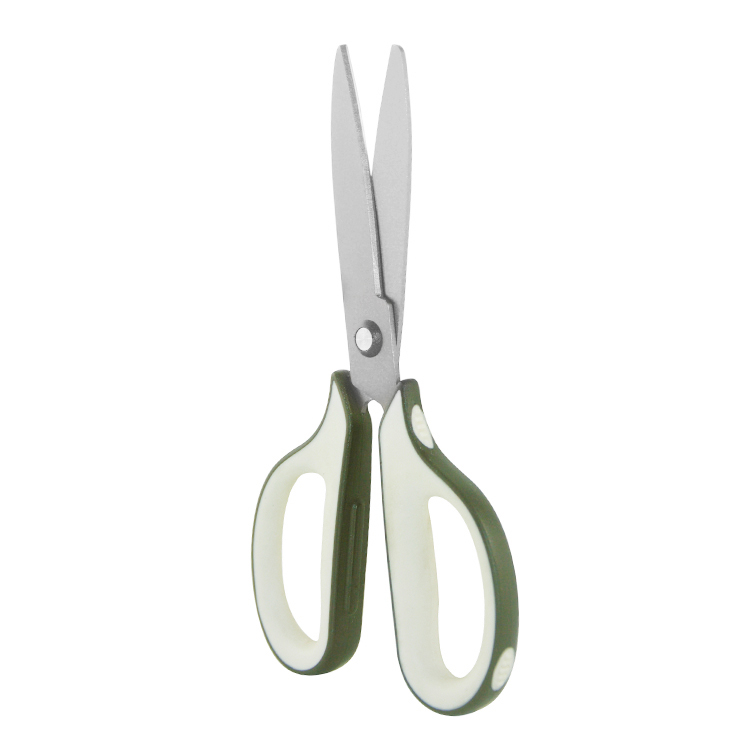
Comprehensive Guide to School and Office Scissors
School and office scissors are everyday tools, but choosing the right pair still matters. A classroom may need safe, lightweight scissors for repeated paper cutting. An office may need sharper blades for documents, labels, envelopes, and light packaging. A stationery buyer may need a balanced option that works for many users without creating unnecessary cost or quality issues.
This guide explains how to evaluate school and office scissors by handle type, blade material, comfort, safety, and intended use. It also includes practical B2B sourcing questions for distributors, wholesalers, retailers, and procurement teams comparing products from suppliers.
Key Takeaways
- Plastic handle office scissors are lightweight, affordable, and suitable for daily school or desk use.
- Stainless steel office scissors are valued for strength, corrosion resistance, and long service life when properly maintained.
- Comfort, blade length, hand orientation, and safety features should match the user group.
- Bulk buyers should ask suppliers about materials, packaging, quality checks, sample availability, and replacement policies before ordering.
Common Uses in Schools and Offices
In schools, scissors are used for art projects, worksheets, posters, classroom displays, and basic craft activities. Younger students usually need smaller scissors with comfortable grips and safer blade shapes, while older students may need sharper options for cardstock or project materials.
In offices, scissors are used for cutting paper, opening mail, trimming labels, preparing presentations, and handling light packaging. A shared office drawer often needs a general-purpose pair that can cut cleanly without being too large or uncomfortable for different users.
For procurement, the most important question is not simply which scissors are sharpest. The better question is: which scissors fit the real workload, user age, safety expectations, and replacement cycle?
Plastic Handle Office Scissors: When They Make Sense
Plastic handle office scissors are popular because they are lightweight and easy to use for frequent paper cutting. The molded handle design can provide a secure grip, which helps reduce slipping during normal use. For students and office workers who cut many sheets over the course of a day, lower weight can also reduce hand fatigue.
These scissors are often chosen for classrooms, reception desks, copy rooms, and general stationery kits. They are usually a practical option when a buyer needs reliable everyday scissors at an accessible cost. However, not all plastic handles feel the same. Handle opening size, finger comfort, edge smoothness, and grip shape can vary by model.
Before buying in bulk, test samples with the people who will actually use them. A pair that looks fine in a catalog may feel awkward after ten minutes of cutting.
Stainless Steel Office Scissors: Strength and Durability
Stainless steel office scissors are valued for blade strength and resistance to corrosion. Stainless steel blades can maintain sharpness over time when used for suitable materials and stored correctly. They are a strong choice for offices, teachers, craft rooms, and administrative departments that cut thicker paper, cardstock, or multiple sheets.
Some office scissors include adjustable tension controls, allowing users to change blade resistance for different tasks. This can be useful when moving between quick document trimming and more detailed cutting. If tension adjustment is important for your use case, confirm the feature with the supplier rather than assuming it is included on every model.
For B2B buyers, stainless steel should be discussed clearly. Ask what stainless steel type is used, how blade sharpness is checked, whether the blades are polished or treated, and what materials the scissors are designed to cut. Do not rely only on generic descriptions such as premium or professional.
Comparison Checklist for Selecting Scissors
| Selection Factor | What to Check | Why It Matters |
|---|---|---|
| Primary users | Children, teachers, office staff, warehouse staff, or craft users | User age and task type affect safety, size, and blade requirements |
| Handle material | Plastic handle shape, grip comfort, and finger opening size | Comfort improves control during repeated cutting |
| Blade material | Stainless steel or other stated blade material | Material influences durability, corrosion resistance, and cutting feel |
| Cutting workload | Single paper sheets, cardstock, labels, envelopes, or light fabrics | Using scissors beyond their intended purpose can dull or damage blades |
| Safety expectations | Rounded tips, blade length, packaging warnings, and age suitability | Important for classrooms and shared work areas |
| Bulk sourcing | Samples, packaging, inspection process, lead time, and after-sales support | Reduces purchasing risk before placing a larger order |
How to Choose the Right Scissors for Your Setting
Start by identifying the materials that will be cut most often. For ordinary paper, lightweight plastic handle office scissors may be enough. For cardstock, multiple sheets, or frequent office use, stainless steel office scissors may provide better performance and longer service life.
Next, consider who will use the scissors. Children may need smaller handles and safer tips. Adults may prefer longer blades for straight cuts. Shared office scissors should suit both left- and right-hand comfort where possible, or the workplace should stock separate options for different users.
Finally, look at how the scissors will be stored and distributed. A school may need classroom packs. A company may need individual desk scissors and a few stronger pairs for shared supply areas. A retailer may need attractive packaging and clear labeling for shelf display.
Care and Use Tips for Longer Service Life
- Use the scissors only on suitable materials; avoid wire, hard plastic, or thick packaging unless the product is designed for it.
- Wipe blades after cutting adhesive labels or tape to reduce sticky buildup.
- Store scissors in a dry drawer, cup, or tool organizer to help prevent corrosion and blade damage.
- Do not drop scissors, because impact can affect blade alignment and cutting smoothness.
- For adjustable tension models, make small adjustments and test the cut before tightening too much.
Simple maintenance helps keep scissors useful for longer, especially in schools and busy offices where tools are shared by many people.
B2B Sourcing Questions for Bulk Buyers
If you are sourcing school and office scissors for wholesale, retail, OEM, or institutional purchasing, ask specific questions before confirming an order. Clear communication reduces misunderstandings and helps you compare suppliers fairly.
- What blade material and handle material are used?
- Are samples available for cutting tests and user comfort checks?
- What packaging options are offered for retail, classroom, or office supply channels?
- Can the supplier confirm product dimensions, blade length, weight, and color options?
- What quality checks are performed before shipment?
- Are any age recommendations, warnings, or labeling requirements available for school use?
- What are the lead time, minimum order quantity, and replacement or claims process?
Do not assume that all models have the same specifications. Confirm details in writing, especially when ordering private label, mixed colors, or customized packaging.
FAQ
Are plastic handle scissors good for office use?
Yes, plastic handle office scissors are a practical choice for everyday paper cutting, mail opening, and desk use. They are lightweight and often cost-effective for bulk purchasing.
Why choose stainless steel office scissors?
Stainless steel office scissors offer strength, corrosion resistance, and reliable cutting performance when used and stored properly. They are useful for frequent cutting and heavier paper tasks.
What scissors are best for schools?
The best choice depends on student age and classroom activity. Younger students usually need smaller, safer scissors, while older students may need stronger blades for projects and cardstock.
Can one scissor model work for both school and office buyers?
Sometimes. A general-purpose model with comfortable plastic handles and durable blades can serve both environments, but buyers should test samples for safety, comfort, and cutting performance.
What should wholesalers confirm before placing a bulk order?
Wholesalers should confirm materials, size, packaging, sample availability, quality inspection steps, lead time, MOQ, and after-sales support. These details help prevent mismatched expectations.
