




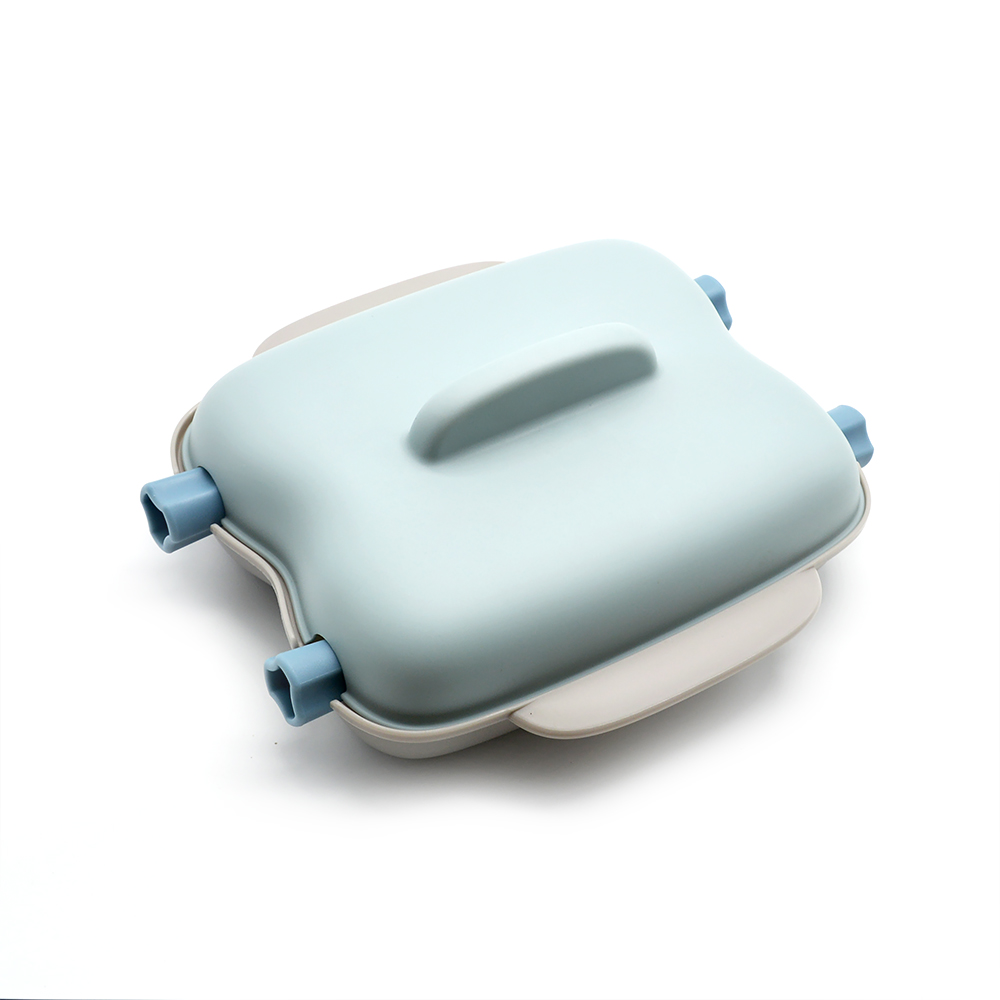
Corn Steamer Manufacturing: B2B Sourcing Guide for Quality Appliances
Corn steamers and corn cookers serve a clear purpose: they help prepare corn on the cob and related dishes with consistent heat and convenient handling. For importers, distributors, kitchenware brands, and hospitality buyers, the challenge is not simply finding a product that looks acceptable in a catalog. The real task is to evaluate whether a corn steamer manufacturing partner can support repeatable quality, suitable packaging, clear communication, and practical after-sales expectations.
This guide explains how to approach corn steamer production from a sourcing perspective. It avoids assumptions about any single factory’s capacity, certifications, materials, or test results. Instead, it focuses on the questions buyers should ask and the checkpoints that help separate a promising supplier from a risky one.
Key Takeaways
- Define your target market, use case, and preferred product type before asking for quotations.
- Ask suppliers to confirm materials, heating method, safety features, packaging, and quality-control steps in writing.
- Compare samples under realistic cooking and cleaning conditions, not only by appearance.
- For OEM or wholesale orders, clarify labeling, manuals, spare parts, inspection standards, and lead-time expectations early.
Understanding Corn Steamer Manufacturing
Corn steamer manufacturing can involve several product formats. Some products are electric appliances designed for countertop use, while others are stovetop steamers or cookware accessories. The production route depends on the structure, heat source, materials, handles, lids, baskets, controls, and packaging requirements.
A typical development process starts with product concept and design confirmation. The supplier may then prepare drawings, tooling plans, material samples, and pre-production samples. After approval, production may include forming, assembly, surface finishing, electrical installation for powered models, inspection, packing, and shipment preparation. Buyers should not assume that every supplier follows the same process, so it is important to request a written workflow for the exact model being sourced.
Useful manufacturing discussions should cover durability, ease of use, cooking consistency, and cleaning. If the product is an electric corn cooker, buyers should also ask about electrical safety design, plug options, labeling requirements, and the standards required in the destination market. The supplier should be able to explain what they can provide and what must be verified by the buyer or a third-party laboratory.
Product Choices Buyers Should Define First
Before contacting a corn cooker supplier, prepare a short product brief. This reduces vague quotations and helps suppliers respond with relevant options. For example, a retail kitchenware brand may prioritize compact packaging and consumer-friendly instructions, while a food-service distributor may care more about capacity, cleaning efficiency, and replacement parts.
Consider defining these points:
- Product type: electric corn steamer, stovetop steamer, multi-use cooker, or accessory insert.
- Target user: household, restaurant, catering, street food, or institutional kitchen.
- Expected capacity: number of corn cobs or serving volume per cooking cycle.
- Market requirements: plug type, language for manuals, labeling, packaging format, and local compliance needs.
- Branding needs: neutral packaging, private label, color options, or OEM development.
- Cleaning preference: removable parts, dishwasher suitability if applicable, and surface finish expectations.
When the intended use is clear, the supplier can better recommend a construction and cost level. If the product is meant for frequent commercial use, ask whether the design is suitable for that duty cycle rather than assuming a household model will perform well in a busy food-service environment.
Supplier Evaluation Checklist
Choosing a corn steamer supplier is not only about unit price. Low pricing can become expensive if the product has inconsistent assembly, weak packaging, unclear documentation, or slow communication. Use a structured comparison to evaluate suppliers before placing a production order.
| Evaluation Area | What to Ask | Why It Matters |
|---|---|---|
| Product definition | Can the supplier confirm model structure, materials, dimensions, and included accessories? | Prevents misunderstandings between quotation, sample, and bulk production. |
| Quality control | What inspections are performed before, during, and after production? | Shows whether quality is managed systematically or only checked at final packing. |
| Compliance support | What documents or test reports are available for the target market? | Helps buyers plan legal and safety verification without assuming compliance. |
| OEM capability | Can packaging, logo, color, manual, or accessories be customized? | Clarifies whether the supplier fits private-label or wholesale requirements. |
| Packaging | How is the product protected during shipping and retail handling? | Reduces damage risk and improves customer experience. |
| After-sales | Are spare parts, replacement components, or troubleshooting guidance available? | Supports distributors and retailers after delivery. |
Quality Points in Corn Steamer Production
Quality should be judged by how the product performs over repeated use. For non-electric steamers, buyers may examine lid fit, handle stability, basket strength, surface finish, and resistance to warping under normal cooking temperatures. For electric corn steamers, additional concerns include heating stability, water reservoir design, controls, cord quality, insulation, and automatic shut-off if such a feature is claimed by the supplier.
Ask the supplier which quality checks are standard for the product. Examples may include visual inspection, assembly checks, function checks, leak checks, packaging drop checks, or electrical tests for powered models. Do not rely on a generic statement such as “high quality.” Request the actual inspection items, acceptable defect criteria, and whether inspection photos or reports can be provided for your order.
Sample testing is also essential. Test the sample with the corn sizes and cooking quantities common in your market. Check how long cooking takes, how evenly the corn heats, whether the handles remain practical to use, how easy the product is to empty and clean, and whether any odors, sharp edges, or unstable parts appear after use.
OEM, Wholesale, and Packaging Questions
For OEM corn steamer projects, details should be agreed before tooling or bulk production begins. Buyers should ask whether logos can be applied to the product, carton, instruction manual, or rating label, and what artwork files are required. If color customization is requested, confirm the color standard, sample approval process, and whether small visual differences are acceptable.
Packaging deserves careful attention. A corn cooker may include a main body, lid, tray, rack, power cord, accessories, or printed materials depending on the model. Each part should be secured to prevent scratching or movement during transport. If the product will be sold online, buyers may need stronger packaging than for palletized retail distribution.
Commercial terms also require careful confirmation. Instead of assuming minimum order quantity, pricing tiers, production time, or payment conditions, ask the supplier to provide these details for the exact model and customization level. If the destination market requires specific testing or labeling, clarify whether the supplier can assist or whether the buyer must arrange third-party verification independently.
How to Compare Samples Before Ordering
A sample should be reviewed like a working product, not a display item. Record the product’s condition when it arrives, including packaging strength and any visible shipping damage. Then inspect fit, finish, edges, stability, markings, and accessories. If the model is electric, use it according to the supplier’s instructions and only with the correct voltage and plug arrangement.
Run multiple cooking cycles if possible. This helps reveal issues that do not appear during a quick demonstration. After cooking, clean the unit as a typical end user would. Note whether residue is difficult to remove, whether water collects in inconvenient areas, and whether removable parts are intuitive to reinstall. Share structured feedback with the supplier and ask how each issue would be corrected in production.
Practical FAQ
What information should I send to a corn steamer manufacturer?
Send the product type, target market, expected capacity, packaging needs, branding requirements, destination country, and any required compliance or labeling expectations. Photos or reference samples can help, but written specifications are still necessary.
Can one corn cooker design serve both household and commercial users?
Sometimes, but not always. Commercial users may need higher durability, easier cleaning, larger capacity, and better parts support. Ask the supplier whether the specific model is intended for household or commercial use.
How do I avoid quality differences between samples and bulk orders?
Approve a detailed pre-production sample, keep written specifications, define acceptable defects, and request inspection before shipment. For important orders, consider arranging third-party inspection.
What should I ask about compliance?
Ask which documents, markings, test reports, or declarations are available for the exact model. Requirements vary by market, so buyers should confirm obligations with qualified compliance advisers or testing bodies.
Is the lowest quotation the best choice for wholesale sourcing?
Not necessarily. Compare total value, including product consistency, packaging, communication, inspection support, customization ability, and after-sales handling. A slightly higher unit cost may reduce operational risk.
Final Sourcing Advice
Successful corn steamer sourcing depends on clear specifications and disciplined supplier evaluation. A reliable purchasing process should move from product brief to sample review, written confirmation, inspection planning, and shipment approval. Whether you are sourcing an electric corn steamer, a stovetop corn cooker, or an OEM kitchenware item, the best results come from asking practical questions before production begins.
For B2B buyers, the goal is not only to purchase a corn cooking appliance but to build a repeatable supply program. Focus on verified product details, transparent quality-control steps, realistic packaging, and market-specific requirements. This approach helps reduce risk and supports better long-term outcomes for retailers, wholesalers, and food-service distributors.
