




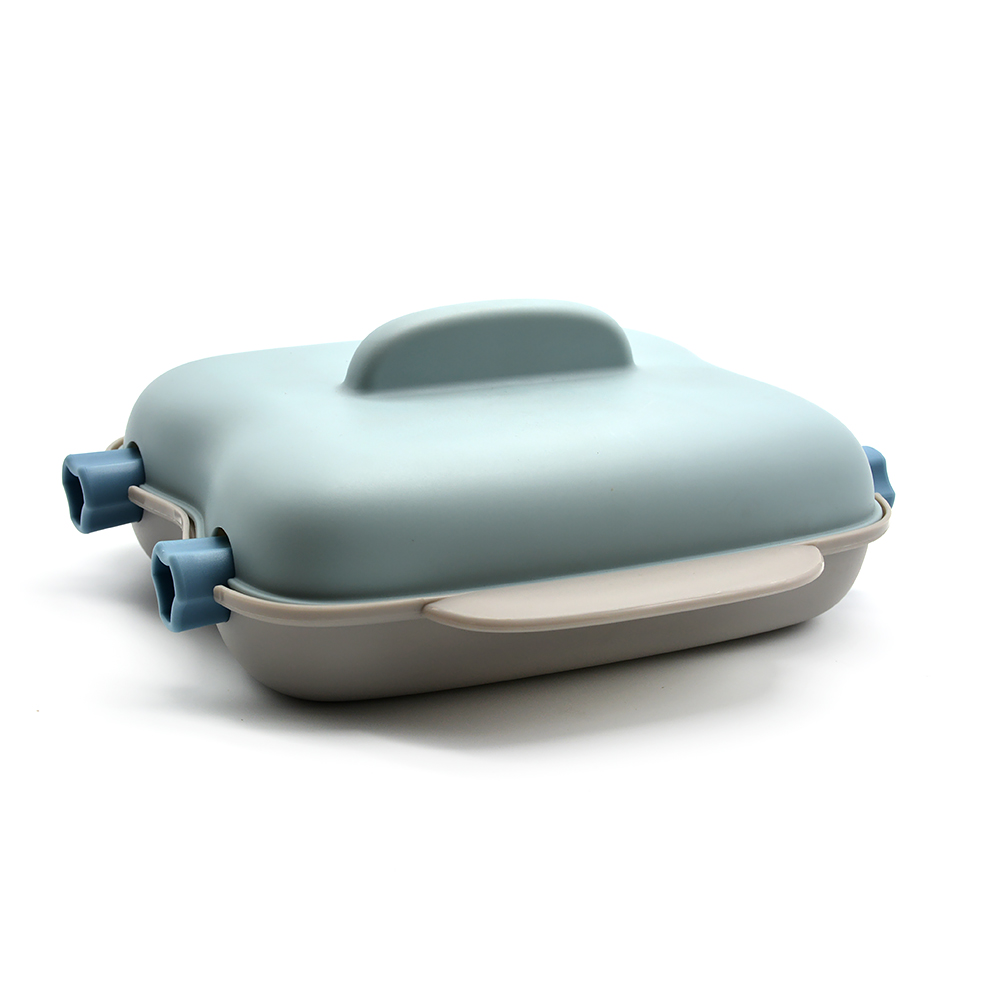
Corn Steamer Manufacturing: Process, Production and Supplier Sourcing
Corn steamers and corn cookers are simple in purpose: they help prepare corn evenly and efficiently for home kitchens, food service settings or retail product ranges. For sourcing teams, however, the product is not simple to evaluate. A buyer needs to understand how a corn steamer is designed, what materials and components may be used, how quality is checked, and what questions should be asked before placing an OEM, wholesale or private-label order.
This guide explains the manufacturing workflow and supplier selection process in practical B2B terms. It does not assume that every model has the same structure. Some corn steamers may be basic cookware items, while others may integrate heating elements, timers or coated surfaces. The right sourcing approach is to confirm the exact specification, sample performance and compliance expectations with the supplier before committing to production.
Key Takeaways
- Corn steamer manufacturing usually starts with product design, prototyping and sample testing before mass production.
- Materials may include durable stainless steel or heat-resistant plastic, but buyers should confirm the exact material grade and food-contact suitability with the supplier.
- If a model includes heating elements, timers or non-stick coatings, those components require additional performance and safety checks.
- Supplier evaluation should cover production control, inspection process, packaging, lead time, documentation and after-sales handling.
- Do not rely only on unit price; evaluate total sourcing risk, including sample consistency, defect handling and shipment readiness.
Understanding the Corn Steamer Manufacturing Process
The manufacturing process begins with the intended use of the product. A household corn steamer may prioritize compact size, easy cleaning and safe handling. A larger model for food service or commercial resale may require stronger construction, higher output or more durable components. A supplier should be able to explain which market the product is designed for and whether customization is available.
Material selection is one of the first decisions. The original product category commonly refers to durable stainless steel and heat-resistant plastic as possible materials. These can be suitable choices, but buyers should not assume details that are not documented. Ask the supplier to specify the material grade, thickness, food-contact documentation, heat-resistance range, surface finish and whether any coating is applied.
Engineering design also matters. A good corn steamer should support even cooking, stable placement and convenient loading or removal of corn. If the product is electric, internal layout, heating control and protection design become important. If it is a stovetop or non-electric item, buyers should focus on fit, steam circulation, lid design and resistance to deformation under repeated heating.
Typical Production Steps from Prototype to Assembly
Production normally moves through several stages. First, engineers or product teams create a prototype based on dimensions, capacity, cooking method and target market. The prototype is tested and adjusted before the supplier confirms tooling, component sourcing or assembly procedures.
- Design confirmation: Buyer and supplier agree on product type, dimensions, materials, packaging and any logo or private-label requirements.
- Prototype sampling: Samples are produced to check usability, appearance, fit, stability and cooking performance.
- Component preparation: Materials and parts are sourced. For electric models, this may include heating elements, timers and control components.
- Forming and fabrication: Metal or plastic parts are shaped, cut, molded or assembled according to the product structure.
- Surface treatment or coating: If a non-stick coating or surface finish is used, buyers should request details on process control and food-contact suitability.
- Final assembly: The product is assembled, checked and prepared for packaging.
- Inspection and packing: Finished goods are inspected for appearance, function, labeling and packaging condition before shipment.
Not every supplier follows the same workflow, so buyers should ask for a production flow chart or written process description. This is especially important for OEM projects where a custom design, logo, manual, carton or accessory set is required.
Quality Control Points Buyers Should Verify
Quality control should not be treated as a final step only. It should appear at incoming material inspection, in-process inspection and final inspection. The original article mentioned checks such as leakage, heat distribution and durability. These are useful categories, but buyers should define how they are measured for the exact product being sourced.
| Checkpoint | What to Confirm | Buyer Questions |
|---|---|---|
| Material verification | Material type, grade, thickness and food-contact suitability | Can you provide material details and supporting documents for this model? |
| Heating performance | Even steaming or cooking performance under normal use | How do you test heat distribution and cooking consistency? |
| Leakage or sealing | Fit of lid, joints, reservoir or body, depending on design | What leakage or sealing checks are performed before packing? |
| Component reliability | Timers, heating elements or coated surfaces if included | Which components are tested, and what is the inspection standard? |
| Packaging | Carton strength, inserts, labels and instruction manual accuracy | Can the packaging pass the buyer’s shipping and retail handling requirements? |
| Final inspection | Appearance, function, quantity and carton marks | Is third-party inspection accepted before shipment? |
For electric corn steamers, buyers should discuss applicable market requirements with the supplier and their compliance team. Do not assume certification coverage from a product photo or quotation. Request valid documents for the specific model, plug type, voltage and destination market when required.
How Suppliers Support OEM and Wholesale Buyers
A corn steamer supplier connects product development, production coordination and order fulfillment. For retailers, distributors and brand owners, the supplier’s role is not only to offer a product but also to help manage sampling, customization, packing and shipment schedules.
Before selecting a supplier, ask whether they are a factory, trading company or combined operation. Each can be suitable depending on the project, but the buyer should understand who controls production, who handles inspection and who is responsible if defects occur. A factory may offer direct process visibility, while a trading partner may provide broader sourcing options. The right choice depends on order complexity, communication quality and risk control.
Buyers should also clarify what is included in the quotation. Does it include retail packaging, printed instructions, spare parts, logo application, export carton design or testing fees? Are samples charged separately? What happens if the approved sample differs from mass production? Clear written confirmation reduces disputes later.
Supplier Evaluation Checklist
Use the following checklist when comparing corn cooker or corn steamer suppliers. It is designed for sourcing teams that need repeatable purchasing decisions rather than one-time price comparisons.
- Request product specifications, photos, drawings or sample measurements.
- Confirm whether the supplier can produce the same model consistently for repeat orders.
- Ask for the production process and inspection plan.
- Check whether customization is available for logo, packaging, manual or accessories.
- Confirm lead time, payment terms, sample timeline and shipment method in writing.
- Ask how the supplier handles defective goods, replacement parts or customer complaints.
- Verify documentation requirements for the destination market before production begins.
- Consider third-party inspection for larger orders or new suppliers.
Common Sourcing Mistakes to Avoid
The most common mistake is choosing the lowest quotation without checking specification differences. Two corn steamers may look similar but use different material thickness, coatings, heating components, packaging or quality control standards. A lower unit price can become expensive if the product has inconsistent cooking performance, poor fit, weak cartons or unclear documentation.
Another mistake is approving a sample without defining a golden sample or written tolerance. Buyers should keep an approved sample and record key details such as dimensions, color, finish, labeling and packaging. If possible, include inspection criteria in the purchase order so both parties understand the acceptance standard.
Finally, avoid vague compliance assumptions. For any product used with food or heat, requirements can vary by market. Ask the supplier what documents are available, but also verify them against your importer, legal adviser or testing partner.
Practical FAQ
What should I ask before ordering corn steamers from a supplier?
Ask for the exact material, product dimensions, sample availability, packaging details, inspection process, lead time, customization options and documents required for your destination market.
Can corn steamers be customized for private label or OEM projects?
Many suppliers may offer logo, packaging or model customization, but the available options depend on the product and order plan. Confirm tooling needs, artwork requirements, sample approval and any extra costs before production.
How can I judge whether a corn steamer sample is acceptable?
Check appearance, stability, fit, ease of use, cleaning, cooking consistency and packaging. For electric models, also review function, controls, plug type, instructions and applicable documentation.
Should I inspect goods before shipment?
For new suppliers, custom packaging or larger orders, pre-shipment inspection is strongly recommended. Inspection can verify quantity, appearance, function, labeling and carton condition before goods leave the factory.
Is stainless steel always the best material for a corn steamer?
Stainless steel can be durable, but the best choice depends on design, use case, cost target and market requirements. Ask the supplier to confirm material grade, thickness and food-contact suitability rather than relying on a general description.
