




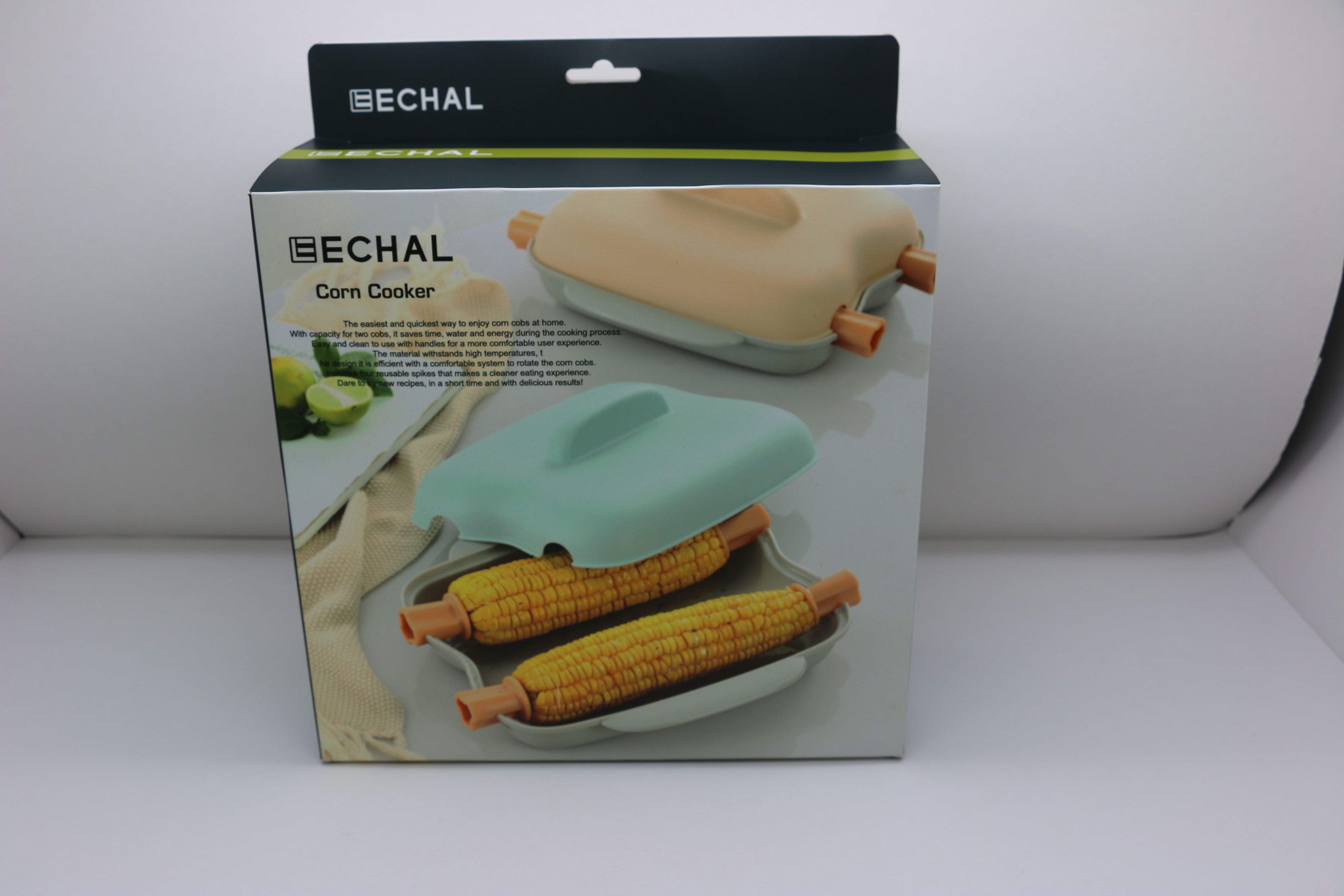
Corn Steamer Manufacturing: Supplier Sourcing Guide
Corn steamers and corn cookers are specialized kitchen products designed to prepare corn on the cob by steaming, boiling, or, in some product categories, roasting. For wholesalers, importers, private-label brands, and foodservice equipment buyers, the challenge is not only finding a product that cooks corn effectively. It is also finding a supplier that can explain materials, assembly, quality control, packaging, documentation, and after-sales support clearly.
The original topic highlights several important ideas: corn cooker manufacturers may use materials such as stainless steel and heat-resistant plastic, products can range from compact countertop units to larger commercial equipment, and newer designs may include user-friendly controls, timers, automatic shutoff, and energy-conscious heating concepts. This rewritten guide turns those ideas into practical sourcing guidance for B2B buyers.
Key Takeaways
- Define whether you need a household corn steamer, countertop foodservice unit, or larger commercial cooker before contacting suppliers.
- Ask suppliers to confirm material details, including stainless steel grade, plastic type, heat resistance, and food-contact suitability.
- Review heating performance, safety controls, timer functions, cleaning access, packaging, and spare-part support.
- Do not rely on broad claims. Request test reports, certification documents, inspection records, and product samples where relevant.
What Corn Steamer Manufacturing Usually Involves
Corn steamer manufacturing typically starts with a product concept: how many ears of corn the unit should hold, whether it is intended for home use or commercial use, and which cooking method it supports. A simple product may consist of a pot, insert, lid, handles, and packaging. A more advanced electric unit may include a heating element, water reservoir, control panel, timer, thermostat, indicator light, power cord, and internal wiring.
From a buyer’s point of view, the manufacturing process should be discussed in stages. Ask how the supplier handles component sourcing, metal forming, plastic parts, electrical assembly, finishing, cleaning before packing, and final inspection. If the supplier offers OEM or private-label service, clarify which parts can be customized and which are standard. Customization can affect tooling, lead time, testing requirements, packaging layout, and replacement part planning.
Product Types Buyers May Compare
The term “corn steamer” can refer to several product formats. A supplier may specialize in one type or offer a wider catalog. Choosing the wrong category can create problems with pricing, freight cost, end-user expectations, and compliance documentation.
| Product type | Typical use case | Key sourcing questions |
|---|---|---|
| Non-electric pot or steamer insert | Home kitchens, retail houseware lines, simple cooking sets | What are the metal thickness, handle material, lid fit, and packaging options? |
| Electric countertop corn cooker | Households, small cafés, seasonal food stalls | What controls are included, such as timer or automatic shutoff, and what electrical standards apply? |
| Commercial corn steamer | Foodservice, catering, convenience stores, high-volume serving | What is the batch capacity, heating recovery time, cleaning process, and spare-part availability? |
| Multi-purpose cooker with corn function | Retail appliances where versatility matters | Which functions are proven by testing, and how is the user manual written for safe operation? |
Materials and Construction Details to Verify
The source article mentions stainless steel and heat-resistant plastic as materials used in corn cooking equipment. Those materials can be appropriate in many kitchen products, but buyers should avoid assuming that every item uses the same grade, thickness, or performance level. Ask the supplier to identify the exact material used for food-contact surfaces, handles, lids, trays, knobs, and internal components.
For stainless steel parts, request the stated grade, surface finish, corrosion-resistance expectations, and cleaning recommendations. For heat-resistant plastic, ask for the material name, temperature rating, intended contact area, odor testing, and whether colorants or additives are food-contact suitable. For electric models, confirm insulation, wiring, heating element protection, strain relief, and water ingress considerations. The goal is to turn general product descriptions into verifiable specifications.
Heating Performance, Controls, and User Experience
A good corn steamer should cook evenly enough for its intended market. The original article refers to even heating elements, user-friendly controls, timers, and automatic shutoff. These are useful features, but their value depends on how they are implemented. Buyers should ask suppliers how the product manages water level, steam distribution, temperature control, and cooking time.
For consumer-facing models, simple operation and clear instructions reduce returns and customer complaints. For commercial buyers, consistency, cleaning speed, and durability may matter more than extra settings. Before placing a bulk order, test samples with realistic batch sizes. Check whether corn near the edge cooks differently from corn in the center, how quickly the unit returns to temperature after loading, and whether condensation drips in a safe and manageable way.
How to Evaluate a Corn Steamer Supplier
Suppliers play an important role in connecting manufacturing capacity with retail, wholesale, and foodservice markets. A strong supplier should do more than send a price list. They should be able to answer technical questions, provide documents, support sample testing, and communicate production risks before they become shipment problems.
Use a structured checklist when comparing potential partners:
- Request a complete specification sheet with dimensions, materials, power details if electric, accessories, and packaging information.
- Ask whether the supplier is a manufacturer, trading company, or both, and who controls final inspection.
- Confirm which product features are standard and which require OEM tooling or additional development.
- Ask for available compliance documents, but verify that they match the exact model being quoted.
- Discuss sample lead time, production lead time, spare parts, warranty handling, and replacement policy.
- Clarify carton strength, labeling, instruction manual language, barcode needs, and drop-test expectations.
Quality Control Questions for Wholesale Orders
Quality control should cover appearance, function, safety, and packaging. For a non-electric steamer, inspections may include surface finish, burrs, lid alignment, handle security, capacity, and carton condition. For electric corn cookers, the inspection plan should also address power-on testing, timer operation, automatic shutoff behavior if included, indicator lights, cord condition, leakage concerns, and user manual accuracy.
Buyers should ask whether inspections are performed during production, before packing, or only at final shipment. It is also useful to define acceptable quality limits, critical defects, major defects, and minor defects. If the product is sold under a private label, packaging errors and manual mistakes can be as serious as physical defects because they may lead to returns or unsafe use.
Innovation Trends Without Overbuying Features
Innovation in corn steamer manufacturing often focuses on energy-conscious heating, easier cleaning, better steam circulation, clearer controls, and added safety functions. However, more features do not always mean a better product. A low-cost retail item may need fewer controls and stronger packaging. A commercial unit may need simple serviceability rather than complex electronics.
When reviewing new designs, ask suppliers what problem each feature solves. For example, a timer is useful only if it is accurate and easy to understand. Automatic shutoff is valuable only when its trigger conditions are clear. A removable tray is helpful if it remains stable under load and is easy to clean. Treat innovation as a practical benefit, not a marketing phrase.
Practical FAQ
What information should I send to a corn steamer manufacturer first?
Share your target market, product type, expected order channel, required plug or non-electric format, packaging needs, target capacity, and any private-label requirements. This helps the supplier recommend a realistic model.
Can I ask for OEM changes to a corn cooker?
Yes, but the supplier should confirm what can be changed. Common requests may include branding, packaging, instructions, accessories, color, or control layout. Tooling changes, electrical changes, and structural changes usually require more review.
How do I confirm food-contact safety?
Ask for material declarations and relevant test reports for the exact product and market. Requirements differ by destination, so buyers should verify compliance with their own importer, lab, or regulatory adviser.
Should I choose a household or commercial corn steamer?
Choose based on use intensity. Household products are usually designed for occasional cooking, while commercial equipment should be evaluated for batch volume, cleaning frequency, recovery time, and service support.
What should I test in a sample?
Test cooking consistency, stability, handle temperature, ease of cleaning, control accuracy, packaging protection, manual clarity, and whether the product matches the supplier’s specification sheet.
