




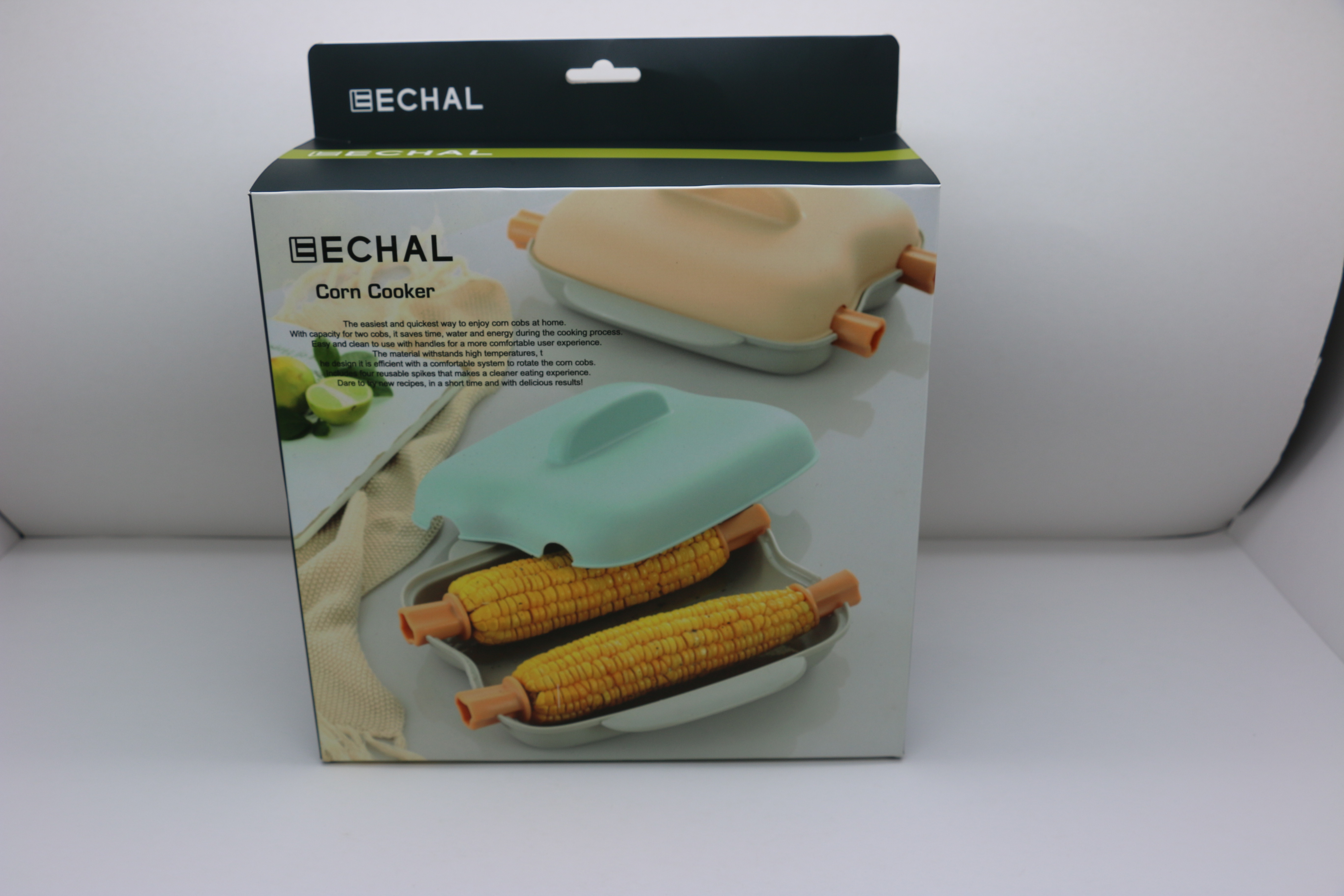
Corn Cooker Manufacturer: A Practical B2B Sourcing Guide
For restaurants, snack vendors, catering operators, supermarkets, and food-service distributors, corn cooking equipment can be a simple but important part of daily production. The right machine should help teams boil or steam corn consistently, handle the required serving volume, and be straightforward to clean and operate. Choosing a corn cooker manufacturer is therefore not only about finding a unit that heats water or steam. It is about matching equipment design, supplier communication, after-sales support, and commercial requirements.
This guide explains how to evaluate a corn cooker manufacturer or corn cooking machine supplier without relying on vague claims. It focuses on practical sourcing questions, product-selection criteria, and operational checks that help buyers compare options for wholesale, OEM, or business use.
Key Takeaways
- Define your cooking method, batch size, power source, and cleaning needs before contacting suppliers.
- Commercial corn cookers are commonly used for boiling or steaming corn in food-service environments.
- Ask manufacturers for clear information on materials, controls, packaging, spare parts, lead time, and warranty terms.
- Do not assume certifications, capacity, or customization options; request documentation and samples where relevant.
What a Corn Cooker Manufacturer Usually Supplies
A corn cooker manufacturer may supply equipment designed for preparing corn in bulk, especially for restaurants, canteens, food stalls, catering services, and similar commercial settings. Depending on the supplier’s product range, the equipment may focus on boiling, steaming, warming, or multi-purpose cooking. Some suppliers may also offer related accessories, but buyers should confirm what is included in the standard package and what must be purchased separately.
For B2B buyers, the manufacturer’s role can include product production, customization discussion, packaging support, quality inspection procedures, and coordination for wholesale or OEM orders. However, these services vary widely. A responsible sourcing process should verify each point in writing rather than assuming that every supplier offers the same level of support.
Commercial Corn Cooker Applications
Commercial corn cookers are useful where corn is prepared repeatedly throughout the day or in large batches. Typical users include quick-service counters, festival vendors, convenience food stands, school or company canteens, and food-service operators that need predictable preparation routines. The equipment can help reduce manual monitoring compared with cooking corn in ordinary pots, especially when the operator needs to serve customers quickly.
When reviewing options, consider whether the cooker is intended for front-of-house service, back-kitchen production, or mobile vending. A front-of-house unit may need a compact footprint and a neat appearance. A back-kitchen machine may prioritize batch size and easy drainage. A mobile vendor may focus on portability, power compatibility, and fast cleaning at the end of the day.
How to Compare Corn Cooking Equipment
Before requesting a quotation, prepare a simple specification sheet. This helps suppliers answer accurately and reduces the chance of receiving unsuitable recommendations. At minimum, include your target serving volume, preferred cooking method, available voltage or gas source, space limits, cleaning expectations, and whether the unit will be used indoors, outdoors, or in a mobile setup.
| Selection Point | What to Check | Questions to Ask the Supplier |
|---|---|---|
| Cooking method | Boiling, steaming, warming, or combined use | Which cooking methods does this model support? |
| Batch needs | Expected corn quantity per cycle or per hour | What is the recommended working load for consistent results? |
| Controls | Basic switch, thermostat, timer, or adjustable temperature options | What controls are standard, and how are they tested? |
| Cleaning | Drainage, removable parts, smooth surfaces, residue management | What daily cleaning steps does the manufacturer recommend? |
| Commercial terms | MOQ, sample policy, packaging, spare parts, lead time | Can you provide written terms before order confirmation? |
Supplier Evaluation for OEM and Wholesale Buyers
If you are sourcing for distribution, private label, or OEM projects, the buying decision should include more than the product photo. Ask the corn cooker manufacturer how they handle drawings, logo application, packaging artwork, instruction manuals, replacement parts, and production inspection. If customization is important, confirm the exact scope: appearance changes, plug type, control panel language, carton design, or accessory combinations may involve different feasibility and cost considerations.
Buyers should also request evidence for any compliance or performance claim that matters in the target market. For example, do not assume a product meets a local electrical or food-contact requirement unless the supplier provides appropriate documents for the exact model. If your order is for resale, check whether the packaging, manual language, warning labels, and after-sales process meet the expectations of your customers.
Operational Tips for Better Cooking Results
Even suitable equipment needs proper operation. Corn size, freshness, starting water temperature, batch load, and holding time can all affect texture and serving quality. Operators should run a small test batch before full service and record the cooking time that delivers the desired result. This is especially useful for chains or multi-location businesses that want repeatable procedures.
- Read the supplier’s operating instructions before first use.
- Pre-check power, water level, baskets, lids, and drainage before service.
- Avoid overloading the chamber if it reduces heat circulation or cooking consistency.
- Use a simple batch log to track time, corn quantity, and customer feedback.
- Clean the equipment after use to reduce residue buildup and odor.
Maintenance and After-Sales Questions
Maintenance requirements should be discussed before purchase. Ask which parts are consumable, which parts are commonly replaced, and whether the supplier can provide spare parts for the model you plan to buy. For commercial users, downtime can be more expensive than the equipment itself, so clear after-sales communication matters.
Buyers should ask for the cleaning method, recommended inspection intervals, storage instructions, and troubleshooting guidance. If the cooker includes adjustable temperature controls or other electrical components, ask how the supplier checks those parts before shipment and what information is included in the manual. For wholesale orders, clarify how defective units, shipping damage, or missing accessories will be handled.
Common Mistakes to Avoid When Sourcing
One common mistake is choosing only by the lowest unit price. A cheaper unit may become expensive if packaging is weak, parts are difficult to obtain, or the model does not match the intended serving volume. Another mistake is sending a vague inquiry such as “send best price” without explaining the use case. Better information usually produces better recommendations.
Also avoid assuming that one model fits every business. A small café, a street vendor, and a high-volume canteen may need different chamber sizes, control layouts, and cleaning designs. If you plan to sell the product under your own brand, confirm whether the manufacturer can support your documentation, packaging, and inspection needs before making a commitment.
FAQ
What is a commercial corn cooker used for?
It is used to prepare corn in larger or repeated batches, commonly by boiling or steaming, for restaurants, food stalls, catering services, and other food-service operations.
How do I choose the right corn cooker manufacturer?
Compare product suitability, communication quality, sample availability, production terms, spare parts support, packaging options, and written after-sales policies.
Can a corn cooking machine be customized for OEM orders?
Possibly, but customization depends on the supplier. Ask specifically about logo placement, packaging, plug type, manuals, control panel options, and minimum order requirements.
What details should I request before ordering?
Request model specifications, recommended working load, power requirements, cleaning instructions, carton details, lead time, warranty terms, spare parts availability, and any relevant compliance documents for your market.
How can operators keep corn quality consistent?
Use consistent batch sizes, monitor cooking time, avoid overloading, follow the manufacturer’s instructions, and clean the equipment regularly after service.
