




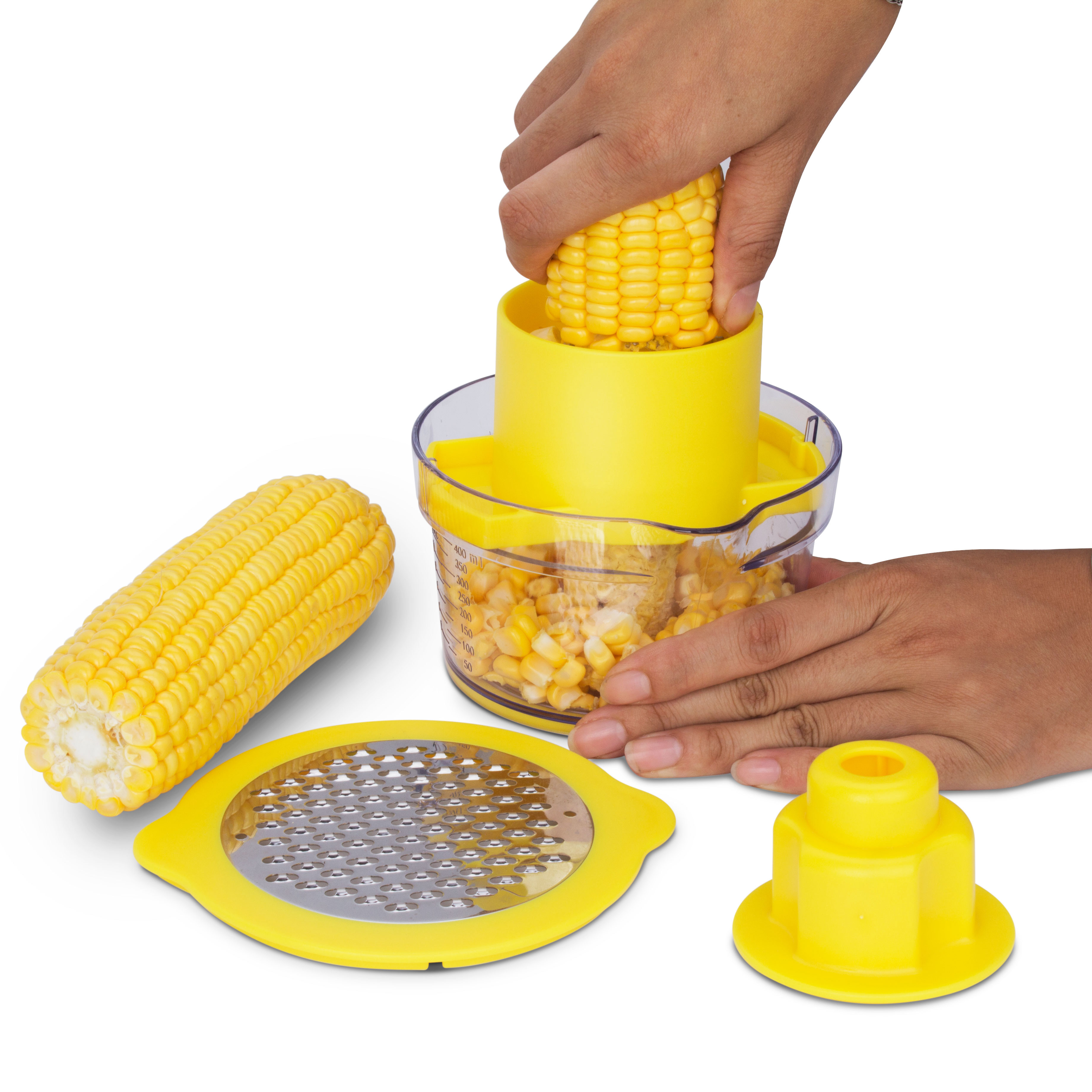
Corn Thresher: Practical Guide to Faster Shelling
A corn thresher is a post-harvest machine designed to separate corn kernels from the cob after harvesting. For farms, cooperatives, grain processors, and agricultural equipment buyers, the right thresher can reduce manual labor, speed up shelling work, and help prepare corn for drying, storage, transport, or sale. The best choice depends on scale, power availability, expected workload, maintenance capability, and the level of kernel cleanliness required.
This guide explains how corn threshers work, what benefits they can offer, how to compare different machine types, and what sourcing questions B2B buyers should ask before placing an order.
Key Takeaways
- A corn thresher separates kernels from cobs more quickly than hand shelling.
- Manual, electric, and fuel-powered models suit different farm sizes and operating conditions.
- Buyers should compare throughput, kernel damage, cleaning needs, spare parts, and after-sales support.
- Do not rely only on price; ask suppliers for operating videos, maintenance instructions, and suitable crop conditions.
What Is a Corn Thresher?
A corn thresher, also called a maize shelling machine, is mechanical equipment used to remove corn kernels from the cob. Before machines became common, this job was often done by hand, which could take many hours or even days when harvest volumes were high. Mechanical shelling helps farmers and processors handle larger quantities in a shorter period.
Modern corn threshers range from compact hand-operated units for small plots to engine-powered machines used in larger commercial operations. Some models focus on portability, while others are built for continuous processing. The machine typically feeds dry or partially dried corn cobs through a shelling chamber, where friction or impact separates the kernels. The kernels and cobs are then discharged through different outlets, depending on the design.
Why Use a Corn Thresher After Harvest?
The main reason to use a corn thresher is efficiency. Hand shelling requires repeated manual effort and can become a bottleneck when harvested corn needs to be processed quickly. A machine can reduce the need for manual labor and free workers for other tasks such as drying, bagging, cleaning, field preparation, or transport.
A suitable thresher can also support more consistent post-harvest handling. When kernels are separated evenly, it is easier to dry and store them. Cleaner output may reduce the amount of additional sorting required, although the final result depends on the machine design, crop moisture, feeding method, and operator skill. Buyers should ask suppliers how the machine performs under the specific crop conditions common in their region.
Main Types of Corn Threshers
Corn threshers are commonly selected by power source and processing scale. There is no single best machine for every user. A small farm with limited electricity may need a simple manual or fuel-powered option, while a grain collection center may prioritize output and durability.
| Type | Best For | Key Checks Before Buying |
|---|---|---|
| Manual corn thresher | Small plots, occasional use, areas without reliable power | Ease of operation, operator fatigue, portability, replacement parts |
| Electric corn thresher | Farms or workshops with stable electricity | Voltage requirements, motor protection, energy use, safe wiring |
| Fuel-powered corn thresher | Remote farms, mobile service providers, higher workloads | Fuel consumption, engine maintenance, noise level, local service access |
| High-capacity commercial thresher | Cooperatives, traders, processors, larger farms | Throughput data, frame strength, feeding safety, spare parts plan |
How to Choose the Right Corn Thresher
Start with the actual volume of corn you need to process, not the largest machine available. Oversized equipment may increase cost, transport difficulty, and maintenance burden. Undersized equipment can slow the harvest season and create labor pressure.
- Estimate daily workload. Ask how many kilograms or tons of corn must be shelled per day during peak harvest.
- Check power conditions. Confirm whether electricity is stable, whether a generator is used, or whether fuel-powered operation is more practical.
- Consider crop condition. Corn moisture, cob size, and variety can affect feeding, shelling efficiency, and kernel breakage.
- Review labor skill. Machines should be understandable for the people who will operate and maintain them.
- Plan storage and handling. Make sure the output flow matches your drying, bagging, and transport process.
If buying for resale, rental service, or cooperative use, also consider how easy the machine is to demonstrate, repair, and support in the field.
B2B Sourcing Questions to Ask Suppliers
When sourcing corn threshers from a factory, trading company, or wholesale supplier, clear questions help prevent misunderstandings. Avoid assuming capacity, material grade, warranty terms, or certification status unless the supplier provides written confirmation.
- What crop moisture range is recommended for best shelling results?
- What is the tested throughput under specified corn conditions?
- What level of kernel breakage should buyers expect, and how was it measured?
- Which parts are considered wear parts, and are replacements available?
- Is an operation manual, parts diagram, or maintenance video available?
- What packaging is used for export or long-distance transport?
- Can the supplier provide inspection photos, operating videos, or sample testing before shipment?
- What after-sales support, warranty process, and technical response time are offered?
For OEM or wholesale orders, ask whether branding, color, packaging, language labels, or plug and voltage options can be discussed. Confirm all commercial details in writing, including lead time, payment terms, spare parts, and responsibility for damage during transport.
Maintenance and Safe Operation Tips
A corn thresher works best when it is cleaned, inspected, and operated according to the supplier’s instructions. Operators should avoid forcing unsuitable cobs into the machine, as poor feeding can reduce shelling quality and increase wear. Keep hands, loose clothing, and tools away from moving parts during operation.
After use, remove remaining kernels, dust, cob fragments, and debris. Check belts, fasteners, screens, bearings, and discharge areas regularly. If the machine is powered by an engine or motor, follow the recommended maintenance routine for that power unit. Store the thresher in a dry, covered place to reduce corrosion and prevent unnecessary deterioration between seasons.
Practical FAQ
Is a corn thresher suitable for small farms?
Yes, small farms can use compact manual or powered threshers if the workload justifies the purchase. The decision should be based on harvest volume, labor availability, and access to power or fuel.
Can one machine handle all corn varieties?
Not always. Cob size, kernel hardness, and moisture level may affect performance. Ask the supplier which crop conditions the machine is designed for and request a test if possible.
Does a corn thresher eliminate the need for drying?
No. Shelling and drying are different steps. Corn may still need proper drying before safe storage, depending on local climate, moisture content, and storage method.
What should wholesalers check before bulk purchasing?
Wholesalers should verify stable quality, spare parts availability, packaging strength, documentation, warranty terms, and whether the supplier can provide consistent support for repeat orders.
How can buyers reduce downtime during harvest?
Buy common wear parts in advance, train operators before peak season, keep the machine clean, and inspect the power system, belts, fasteners, and feeding area before daily use.
Final Thoughts
A corn thresher can make post-harvest work faster and less labor-intensive, especially when harvest volumes are too high for hand shelling. The right choice depends on farm scale, power source, crop condition, and service expectations. For B2B buyers, the most reliable sourcing approach is to request practical performance information, confirm spare parts and support, and match the machine to real operating conditions rather than choosing only by appearance or price.
