




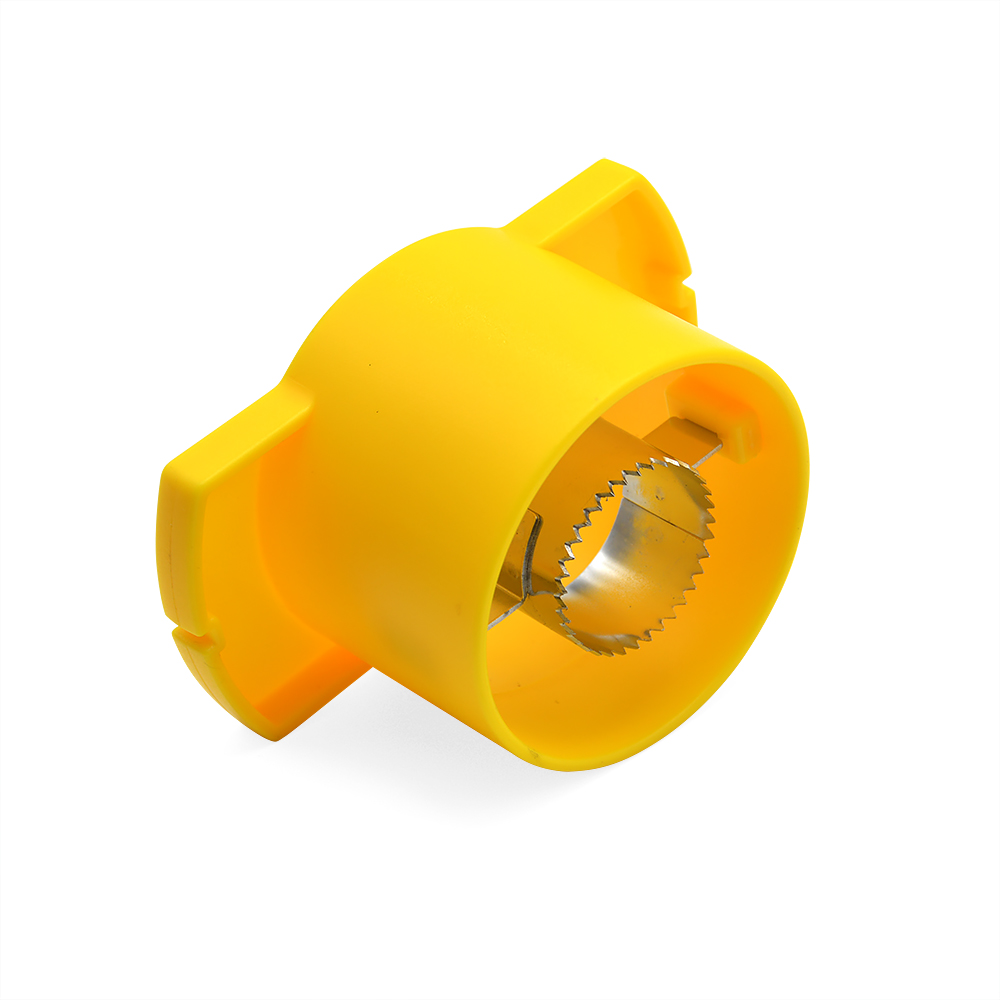
Corn Thresher Buying Guide for Efficient Harvests
A corn thresher, also called a maize sheller in many markets, is a post-harvest machine designed to separate corn kernels from the cob. Before mechanized threshing became widely available, this work was often done by hand, which required considerable time and labor. For farms, cooperatives, distributors, and agricultural equipment buyers, choosing the right corn thresher can reduce bottlenecks after harvest and help deliver a cleaner, more consistent output.
This guide explains how corn threshers work, what benefits to expect, how to compare models, and which questions to ask a supplier before ordering. It is written for practical sourcing decisions rather than for one-size-fits-all promotion.
Key Takeaways
- A corn thresher separates kernels from cobs using friction, rotating parts, or similar mechanical action.
- Machine size and power source should match the farm scale, available labor, and local power conditions.
- Buyers should compare output cleanliness, kernel damage, safety features, maintenance access, and spare parts availability.
- For wholesale, OEM, or factory sourcing, request written specifications and confirm packaging, after-sales support, and quality checks before placing bulk orders.
What a Corn Thresher Does
The basic role of a corn thresher is straightforward: dry ears of corn are fed into a chamber, where rotating components or rubbing surfaces remove kernels from the cob. The machine then helps separate the kernels from cobs and lighter residue such as chaff. Designs vary from small hand-operated tools to electric or gasoline-powered equipment used by larger farms.
The best choice depends less on the label and more on the actual working conditions. A smallholder may need a compact machine that is easy to move and maintain. A commercial farm may need higher throughput and a structure suited to long operating hours. A distributor may need several versions to serve different customer segments.
Why Corn Threshers Improve Post-Harvest Work
Manual shelling can be slow, physically tiring, and inconsistent. A well-matched corn thresher can speed up this stage and allow labor to be used for drying, storage, transport, or quality control. Faster threshing can also reduce delays between harvest and storage, which is important in regions where weather changes quickly.
Another benefit is consistency. When the machine is suitable for the moisture level and ear size, it can produce a cleaner kernel output and reduce unnecessary breakage. However, buyers should not assume that every machine performs the same. Kernel damage, leftover kernels on cobs, vibration, noise, and clogging risk can vary by design and usage.
Types of Corn Threshers to Compare
Corn threshers can be grouped by power source and working scale. Manual models are simple and may suit very small operations or places with limited energy access. Electric models are often suitable where stable power is available. Gasoline-powered units can be useful in fields or rural areas without reliable electricity. Some larger systems may be integrated into broader post-harvest lines.
| Type | Best suited for | Buyer checks |
|---|---|---|
| Manual corn thresher | Small farms, low-volume use, backup operation | Ease of operation, operator fatigue, frame stability |
| Electric corn thresher | Farms or collection points with reliable power | Voltage compatibility, motor protection, cable safety |
| Gasoline-powered thresher | Remote sites or mobile field work | Fuel use, engine maintenance, ventilation, noise level |
| Higher-capacity unit | Cooperatives, processors, commercial farms | Feed rate, discharge design, spare parts, service access |
How to Choose the Right Corn Thresher
Start with your expected workload. Estimate how much corn must be processed per day during peak harvest, then allow room for realistic downtime, cleaning, and operator breaks. A machine that looks inexpensive may become costly if it cannot keep up when crops are ready.
Next, match the power source to the site. Electric machines require appropriate voltage and safe wiring. Engine-powered machines need fuel availability, ventilation, and regular servicing. Manual machines require less infrastructure but depend more heavily on operator effort.
Also review the crop condition. Corn that is too wet or unevenly dried can reduce threshing efficiency and may increase kernel damage or clogging. Ask the supplier what moisture range the machine is designed to handle, but treat that answer as a point to verify with your own crop conditions.
- Define daily processing volume and seasonal peak demand.
- Confirm available power, fuel, transport, and storage space.
- Compare kernel cleanliness, cob discharge, and damage risk.
- Check cleaning access, lubrication points, belts, screens, and replaceable parts.
- Ask for operating instructions and maintenance guidance in a language your team can use.
B2B Sourcing Questions for Factories and Suppliers
If you are buying for resale, OEM branding, project supply, or farm network distribution, commercial details matter as much as the machine itself. Do not rely only on catalog photos. Request clear documentation and sample confirmation where possible.
- What are the available models, power options, and written specifications?
- Can the supplier explain the recommended crop moisture level and feeding method?
- Which spare parts are commonly replaced, and are they stocked for repeat orders?
- What packaging is used for export, warehouse handling, or domestic delivery?
- Are user manuals, labels, or cartons available for OEM or private-label requirements?
- What quality checks are performed before shipment, and how are issues handled?
- What are the current lead time, minimum order quantity, payment terms, and warranty process?
For bulk sourcing, consider ordering a sample or pilot batch before committing to a large shipment. Test the machine with local corn varieties, typical moisture levels, and actual operators. This is the most reliable way to confirm whether the equipment fits the intended market.
Operation and Maintenance Basics
Good results depend on correct use. Feed corn steadily rather than forcing too much material into the chamber. Keep hands, loose clothing, and tools away from moving parts. Operators should understand how to stop the machine quickly and should never remove guards while the machine is running.
After use, remove residue from the working chamber, discharge area, and screens if present. Check belts, fasteners, bearings, and other wear points according to the supplier’s instructions. Store the machine in a dry place to reduce corrosion. For engine-powered units, follow the engine maintenance schedule and fuel handling guidance.
Common Mistakes to Avoid
One common mistake is choosing only by price. A low purchase price may not be a good value if spare parts are hard to obtain or the machine is difficult to clean. Another mistake is buying a large machine without confirming who will operate it, where it will be stored, and whether it can be moved safely.
Buyers should also avoid assuming that high capacity claims will be achieved in every situation. Real output depends on corn dryness, feeding speed, operator skill, and the condition of the machine. Ask suppliers how capacity is measured and under what test conditions.
FAQ
What is the difference between a corn thresher and a corn sheller?
In many markets, the terms are used interchangeably. Both refer to equipment that removes kernels from corn cobs. Local terminology may vary by region and supplier.
Can a corn thresher process wet corn?
Performance is usually better with properly dried corn. Wet or unevenly dried ears may clog the machine, leave kernels on the cob, or increase damage. Ask the supplier for the recommended moisture range and test with your own crop.
Which power source is best?
There is no universal answer. Manual models suit low-volume work, electric models suit sites with stable power, and gasoline-powered models can be useful where mobility or off-grid operation is needed.
What should distributors check before bulk ordering?
Confirm model specifications, spare parts support, packaging, manuals, branding options, lead time, minimum order quantity, and after-sales process. A sample test is strongly recommended for new suppliers.
How can kernel damage be reduced?
Use corn at the recommended dryness level, feed the machine evenly, avoid overloading, and maintain wear parts. If damage remains high, consult the supplier about adjustment options or a more suitable model.
