




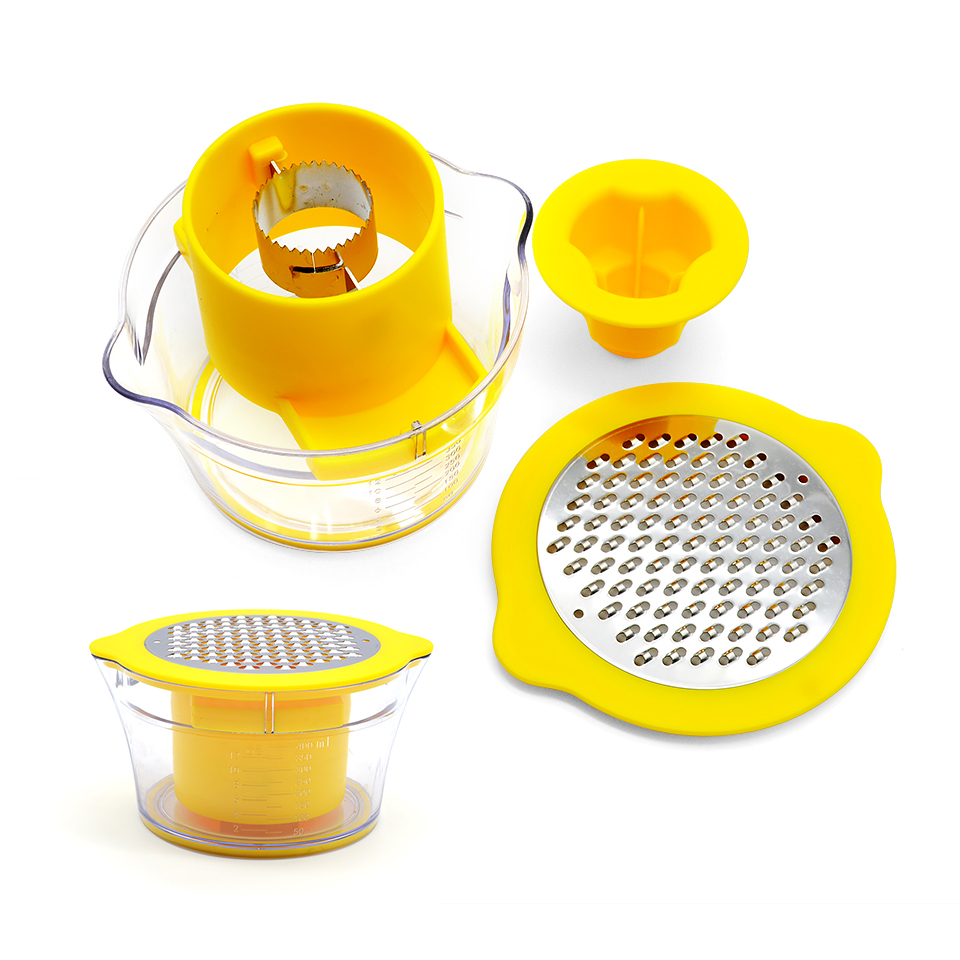
Corn Threshing Machine: Practical Buying Guide for Efficient Harvesting
A corn threshing machine is designed to separate corn kernels from the cob more quickly and consistently than hand threshing. For farms, cooperatives, grain collection points, and agricultural equipment distributors, the right machine can reduce manual labor, shorten post-harvest handling time, and support a more organized harvest workflow.
The original product description highlights three useful points: the machine is intended for corn harvesting work, it separates kernels from cobs, and it may include practical features such as adjustable speeds and robust construction. Because exact specifications can vary by model and supplier, buyers should verify all commercial and technical details before placing an order.
Key Takeaways
- A corn threshing machine is mainly used to remove kernels from cobs after corn is harvested.
- Selection should be based on capacity needs, kernel damage concerns, power source, cleaning access, and operator safety.
- If adjustable speed or heavy-duty construction is important, ask the supplier to confirm the exact design and supported operating conditions.
- B2B buyers should request documentation, spare parts details, packaging information, warranty terms, and after-sales support before purchase.
How a Corn Threshing Machine Supports Harvest Efficiency
Manual corn threshing is labor-intensive and can become a bottleneck during harvest season. A corn threshing machine helps streamline this stage by feeding ears of corn into a threshing mechanism that separates kernels from the cob. The goal is not simply speed; consistent kernel separation, manageable waste handling, and easy operation are equally important.
For small farms, a compact unit may reduce household labor. For larger buyers, the machine may be part of a post-harvest processing line that includes drying, cleaning, grading, bagging, or storage. In either case, the machine should match the actual corn condition, expected daily workload, and available operating environment.
Core Features to Review Before Buying
Product descriptions often mention terms such as efficiency, durability, and adjustable operation. These are useful starting points, but procurement teams should translate them into measurable questions. For example, ask what types of corn the machine can handle, what moisture level is recommended, how the machine is powered, and whether adjustment settings are easy for operators to use.
If the supplier states that the machine has adjustable speeds, confirm how the speed is adjusted, whether tools are required, and what effect different settings have on kernel breakage and throughput. If the construction is described as robust, ask about frame materials, wear parts, expected maintenance points, and replacement part availability.
Comparison Checklist for Corn Threshing Machines
| Selection factor | Why it matters | Questions to ask the supplier |
|---|---|---|
| Processing capacity | Determines whether the machine can keep up with harvest volume. | What is the rated output under normal working conditions, and how was it measured? |
| Kernel separation quality | Good threshing should remove kernels efficiently without excessive breakage. | Can you share operating guidance for reducing kernel damage? |
| Power source | Electrical, engine-driven, or tractor-powered options may suit different sites. | Which power options are available, and what input requirements must be prepared? |
| Adjustability | Different corn varieties and moisture levels may require different settings. | Does the machine offer adjustable speed or clearance, and how is it controlled? |
| Cleaning and maintenance | Easy access reduces downtime and supports safe operation. | Which parts require routine cleaning, lubrication, or replacement? |
| Spare parts support | Wear components may need replacement during peak season. | Which spare parts are supplied, and what is the lead time for replacements? |
| Packaging and shipping | Important for wholesalers, importers, and distributors. | What are the packed dimensions, gross weight, and loading method? |
B2B Sourcing Guidance for Importers and Distributors
When sourcing a corn threshing machine from a factory, supplier, or wholesale channel, avoid relying only on promotional wording. A strong inquiry should include the intended market, target users, available power supply, expected corn condition, and daily operating requirements. This helps the supplier recommend a suitable model rather than a generic option.
Before confirming an order, buyers should request photos or videos of the actual machine, not only rendered images. Ask whether the demonstrated machine is the same model being quoted. If OEM branding or customized packaging is required, clarify artwork files, labeling requirements, carton marks, manuals, language versions, and whether additional charges apply.
Commercial terms also need careful review. Ask about sample availability, order quantities, production lead time, payment terms, warranty coverage, spare parts policy, and responsibility for shipping damage. Do not assume certifications or compliance documents are included; request the specific documents required for your destination market and verify them independently.
Practical Use and Maintenance Considerations
Even a well-selected corn threshing machine depends on correct use. Operators should read the manual, inspect the machine before use, and avoid feeding unsuitable material that may jam or damage the mechanism. Corn condition matters: very wet, very dry, or irregularly sized cobs may affect performance. If the supplier provides recommended moisture or feeding guidelines, train operators to follow them.
- Place the machine on a stable working surface and keep bystanders away from moving parts.
- Check fasteners, guards, belts, covers, and visible wear points before starting.
- Feed corn at a steady rate instead of overloading the inlet.
- Stop the machine before clearing blockages or performing maintenance.
- Clean remaining cobs, husks, dust, and kernels after operation to reduce buildup.
For seasonal equipment, storage is also important. Clean and dry the machine after harvest, protect exposed parts from moisture, and store accessories or spare parts in a labeled location. If belts, bearings, screens, or threshing components are used in the design, ask the supplier which items should be inspected before the next season.
Common Mistakes to Avoid
One common mistake is choosing a machine only by price. A lower initial cost can become expensive if spare parts are hard to obtain, throughput is too low, or the machine is difficult to service. Another mistake is ordering based on capacity claims without knowing the test conditions. Throughput may change with corn size, moisture, feeding consistency, and operator experience.
Buyers should also avoid assuming that one model fits every user. A farmer processing a modest harvest has different priorities than a distributor supplying multiple regions. For retail and wholesale buyers, clear product information, service instructions, and realistic performance expectations can reduce complaints after delivery.
FAQ
What is a corn threshing machine used for?
It is used to separate corn kernels from the cob after harvest. This reduces manual labor and can make post-harvest handling faster and more consistent.
Does every corn threshing machine have adjustable speed?
No. Some machines may include adjustable speed or other setting controls, but this depends on the model. Ask the supplier to confirm the exact adjustment method and operating range.
How do I choose the right capacity?
Estimate the amount of corn you need to process per day, the number of working hours available, and whether the machine will be used continuously or occasionally. Then ask the supplier for capacity data under realistic working conditions.
What should importers ask before ordering?
Importers should ask about technical specifications, packaging, spare parts, user manuals, warranty terms, production lead time, documentation, and whether the quoted model matches the sample or demonstration unit.
How can operators reduce downtime?
Use steady feeding, follow the supplier’s maintenance instructions, clean the machine after operation, keep common spare parts available, and stop the machine before clearing jams or making adjustments.
