




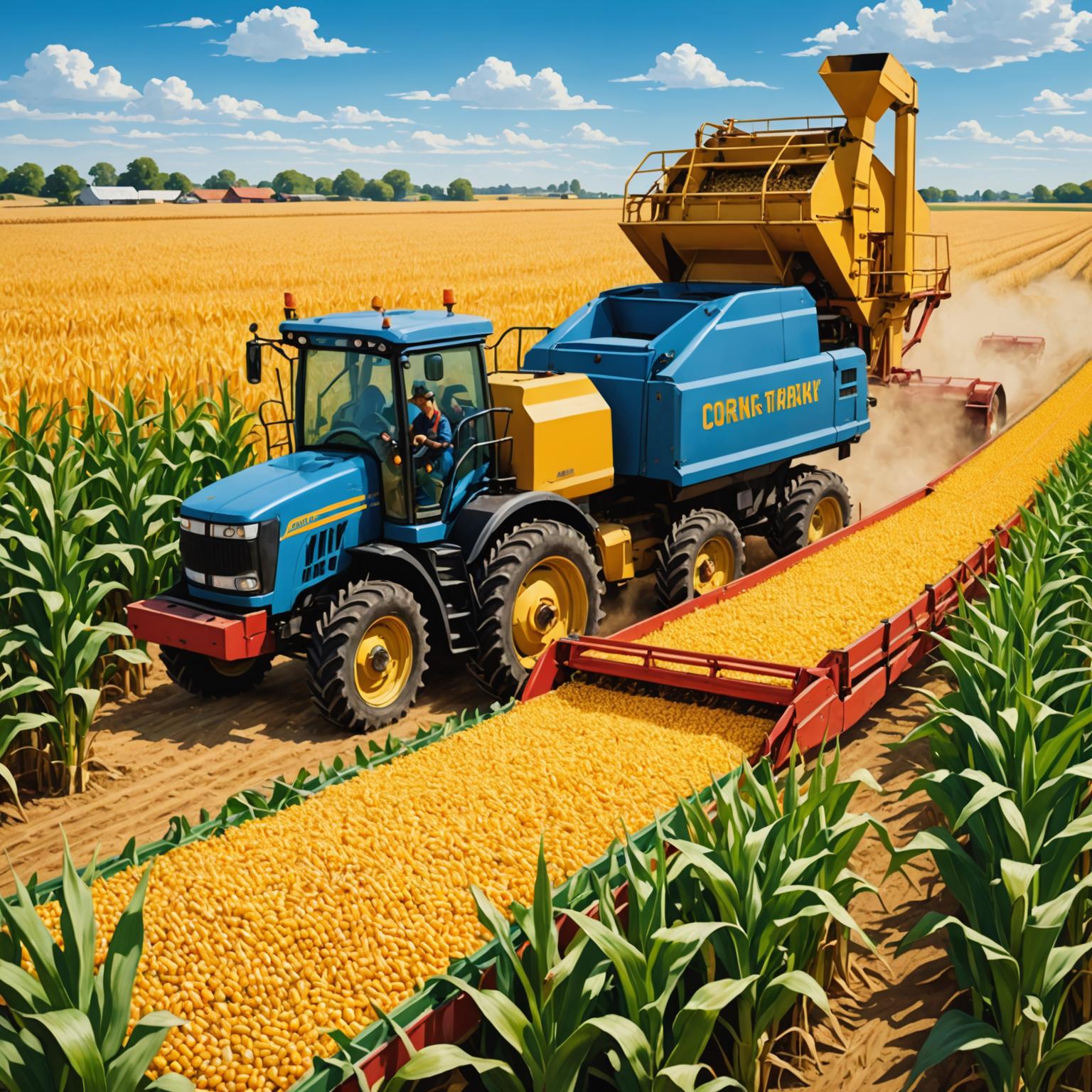
Corn Sheller Machine: Practical Guide for Efficient Threshing
Corn threshing is a basic but time-sensitive step in many farming operations. After harvest, kernels must be separated from the cob cleanly enough for drying, storage, sale, or further processing. Traditionally, this work required heavy manual labor. A corn sheller machine, also called a maize threshing machine or corn threshing machine, is designed to reduce that labor and help farmers, cooperatives, and buyers process harvested corn more consistently.
The right equipment choice depends on the crop condition, expected volume, available power source, operator skill, and after-sales support. This guide explains how corn shellers work, what to compare before buying, and what sourcing questions to ask when evaluating a factory, supplier, OEM partner, or wholesale distributor.
Key Takeaways
- A corn sheller separates kernels from cobs to reduce manual labor and improve post-harvest workflow.
- Buyers should compare capacity, power requirements, kernel damage, cleaning needs, spare parts, and safety design before ordering.
- For B2B sourcing, avoid relying only on product photos; request operating videos, technical sheets, packing details, and spare-part information.
- Good use and maintenance practices matter as much as machine selection, especially when crop moisture and cob size vary.
What a Corn Sheller Machine Does
A corn sheller machine removes kernels from harvested ears of corn. In simple terms, the operator feeds corn into the machine, the internal threshing mechanism loosens kernels from the cob, and the separated materials exit through different outlets or collection areas. Designs vary widely, from small manually assisted units to powered machines intended for higher-volume farm or cooperative use.
The main value is not only speed. Consistent threshing can reduce repetitive hand work, help farmers process corn closer to harvest time, and support better planning for drying and storage. In regions where agriculture is a major source of income, appropriate threshing equipment can be an important part of practical productivity improvement.
Why Mechanized Corn Threshing Matters
Manual shelling can be slow, tiring, and difficult to scale during peak harvest. Delays may affect drying schedules and storage quality, especially when weather conditions are unpredictable. A suitable maize threshing machine can help organize post-harvest work into a more predictable process.
For small farms, the goal may be to save family labor and process a modest harvest faster. For service providers or cooperatives, the goal may be to handle corn from several growers. For distributors, the priority may be identifying a model that is simple to operate, durable in local conditions, and easy to support with replacement parts.
Comparison Checklist for Selecting Equipment
Before choosing a corn sheller, compare the equipment against real field conditions rather than a generic catalog description. The checklist below can help buyers prepare a more accurate inquiry.
| Selection factor | What to check | Why it matters |
|---|---|---|
| Intended use | Household farm, cooperative, service business, or wholesale resale | Different users need different levels of output, portability, and durability |
| Power source | Manual, electric, engine-driven, or compatible local power setup | Power availability affects operating cost and usability in rural areas |
| Crop condition | Moisture level, cob size, and variety of corn to be processed | Wet or uneven corn may change performance and kernel breakage |
| Output and efficiency | Ask the supplier how capacity is measured and under what conditions | Capacity claims are only useful when testing conditions are clear |
| Kernel and cob separation | Look for clean discharge paths and manageable residue handling | Cleaner separation reduces sorting work after threshing |
| Maintenance access | Check how covers, screens, belts, or wearing parts are accessed | Easy maintenance helps reduce downtime during harvest season |
| Safety features | Ask about guards, feed design, warning labels, and operator instructions | Threshing equipment should be operated with clear safety procedures |
Questions to Ask a Supplier or Factory
When sourcing agricultural threshing equipment, buyers should ask for specific information instead of accepting broad marketing claims. If working with a factory, OEM supplier, or wholesale exporter, prepare questions that confirm both product fit and commercial reliability.
- What corn types, cob sizes, and moisture ranges are suitable for this model?
- What is the tested output, and what crop condition was used during the test?
- What power source is required, and is the machine compatible with the buyer’s local electricity or engine options?
- Which parts are considered wearing parts, and how can replacements be ordered?
- Can the supplier provide an operating video, user manual, packing information, and maintenance guidance?
- What safety guards and operating instructions are included with the machine?
- For OEM or wholesale orders, what branding, packaging, inspection, and documentation options are available?
- How should the machine be inspected before shipment, and what issues are commonly checked during quality control?
Do not assume a machine has a particular certification, material grade, test result, or production capacity unless the supplier provides documentation. Commercial details such as minimum order quantity, lead time, warranty terms, and spare-part policy should be confirmed directly with the seller before purchase.
Practical Use and Care Tips
Even a well-selected corn sheller needs proper use. Operators should read the available instructions before starting and should not remove protective guards during operation. Corn should be prepared according to the machine’s recommended condition. If the crop is too wet, uneven, or mixed with stones and debris, performance may decline and wear may increase.
- Place the machine on stable, level ground before operation.
- Keep hands, clothing, and loose materials away from feeding and discharge areas.
- Feed corn steadily rather than forcing too much material at once.
- Stop the machine before clearing blockages or checking internal parts.
- Clean dust, husks, and residues after use to reduce buildup.
- Inspect belts, fasteners, screens, and moving parts regularly.
- Store the machine in a dry location when not in use.
For shared-use machines, assign trained operators and keep a basic service log. Recording operating hours, maintenance dates, and part replacements can help identify wear patterns and plan spare-part purchases before the next harvest.
How Distributors Can Evaluate Market Fit
Distributors and importers should consider more than purchase price. A low-cost machine that is difficult to repair may create customer complaints and repeat support costs. Market fit depends on local farm size, available power, common corn varieties, user expectations, and the availability of technicians.
Before placing a larger order, a buyer may request a sample or pilot unit, then test it with local corn. Feedback from actual users can reveal practical issues such as feeding convenience, cleaning time, noise, vibration, packaging strength, and clarity of instructions. These observations are useful when discussing improvements with an OEM supplier or comparing alternative models.
FAQ
What is the difference between a corn sheller and a corn thresher?
In many markets, the terms are used interchangeably. Both refer to equipment that separates corn kernels from the cob. The exact design and capacity depend on the model.
Can one machine handle all corn varieties?
Not always. Cob size, kernel hardness, and moisture level can affect performance. Buyers should ask the supplier what crop conditions the machine is designed for and request testing information when possible.
How can buyers reduce kernel damage?
Use corn at the recommended moisture level, avoid overfeeding, and adjust or maintain the machine according to the supplier’s instructions. If kernel damage is a key concern, ask for a demonstration using similar corn.
What should be checked before a wholesale order?
Confirm technical specifications, packing method, spare-part availability, operating instructions, inspection process, lead time, and after-sales support. If any compliance documents are required in the destination market, request them before confirming the order.
Is a higher-capacity machine always better?
No. Higher output may require more power, more space, and more experienced operators. The best choice is the machine that matches the buyer’s real volume, labor conditions, and service capability.
Final Thoughts
A corn sheller machine can make maize threshing more efficient, but the best results come from matching the equipment to the user’s actual harvest, operating environment, and support needs. For farms, the priority is reliable daily operation. For cooperatives and service providers, durability and maintainability are especially important. For B2B buyers, careful supplier questions and practical testing are the safest way to move from a product listing to a dependable sourcing decision.
