








Custom Embroidery Scissors: Practical Sourcing Guide
Custom embroidery scissors can be a useful product for craft retailers, needlework brands, subscription box teams, sewing kit assemblers, and promotional buyers. The appeal is simple: embroidery scissors are small, frequently used, and often kept close to a maker’s work area. When the shape, finish, packaging, or branding is chosen carefully, they can support a stronger product line without becoming a complicated item to explain.
However, sourcing them should not be based on appearance alone. A pair that looks attractive but snips poorly, feels uncomfortable, or arrives inconsistently finished can create customer complaints. The better approach is to evaluate design, cutting function, handling, customization method, packaging, and supplier communication before placing a bulk order. This guide explains what buyers should review when comparing custom embroidery scissors for retail or branded programs.
Key Takeaways
- Embroidery scissors should be judged by cutting control, tip accuracy, comfort, and consistency, not only by decorative design.
- Customization may include handle design, finish, logo placement, product carding, or gift packaging, but every option should be confirmed with samples.
- Bulk embroidery scissors production requires clear questions about materials, tolerances, inspection steps, packing, lead time, and reorder consistency.
- Buyers should avoid assuming a material grade, certification, or performance result unless the supplier provides written documentation.
What Makes Embroidery Scissors Different?
Embroidery scissors are designed for close, controlled cutting. Unlike general household scissors, they are usually used to trim threads, clip small ends, and work near fabric surfaces. This means the tips matter as much as the blades. Fine tips help users reach small areas, while smooth blade alignment helps reduce thread chewing or uneven cuts.
For a consumer product line, the best choice depends on the intended user. Beginners may prefer comfortable handles and easy control. Experienced stitchers may pay more attention to sharp tips, blade feel, and balance. Gift buyers may care about appearance and packaging. A sourcing plan should define the target customer before discussing design details with a supplier.
Customization Options to Discuss With a Supplier
Custom embroidery scissors can mean different things depending on the factory or trading partner. Some suppliers may offer only color or packaging changes, while others may support more detailed handle shapes or decorative finishes. Buyers should clarify what is truly customizable and what is based on existing molds or available stock components.
- Handle style: Ask whether the supplier offers existing shapes, decorative handles, or new tooling options.
- Surface finish: Confirm available finishes and request samples to check color consistency and resistance to visible marks.
- Logo or branding: Ask where a logo can be placed and which method is suitable for the material and finish.
- Packaging: Options may include simple protective packaging, retail cards, pouches, or boxed sets. Confirm dimensions and print requirements.
- Assortments: If buying for kits, ask whether multiple colors or designs can be packed according to a fixed ratio.
Do not rely only on digital mockups. For branded tools, a pre-production sample is important because scale, logo contrast, and hand feel can look different in real life.
Design and Use: What Buyers Should Evaluate
The original idea behind premium embroidery scissors design is valid: design is not just decoration. It affects ergonomics, cutting control, and user satisfaction. A decorative handle may attract attention, but if the finger holes are uncomfortable or the tool feels unbalanced, repeat use will suffer.
When reviewing samples, test them in realistic conditions. Snip embroidery thread, sewing thread, and small yarn ends if those match your customer use case. Check whether the tips meet evenly, whether the blades open smoothly, and whether the handles create pressure points. If the scissors are intended for a craft kit, test them with the other kit components to make sure the size and packaging fit.
| Evaluation Area | What to Check | Questions to Ask the Supplier |
|---|---|---|
| Cutting performance | Clean thread snips, tip alignment, smooth opening and closing | What inspection is done for blade alignment and cutting function? |
| Comfort | Finger hole size, grip feel, balance, ease of control | Can you provide samples for handling tests before bulk production? |
| Customization | Logo visibility, finish quality, color consistency, packaging fit | Which branding methods are available for this model? |
| Durability expectations | Resistance to loose joints, rough edges, or visible finish defects | What materials and production processes are used, and can they be documented? |
| Bulk order control | Consistency across units and cartons | How are acceptable defects defined, and what is the inspection standard? |
Manufacturing and Quality Questions
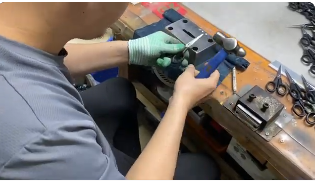
Manufacturing embroidery tools involves several steps that can affect the final user experience, including material selection, shaping, blade alignment, sharpening, polishing, finishing, assembly, and packing. Buyers do not need to be engineers, but they should ask structured questions instead of accepting vague promises.
Important topics include what material is used, how the blades are sharpened, how alignment is checked, and how finished goods are inspected. If a supplier mentions stainless steel, plating, coating, or a specific process, ask for written confirmation. If your market requires particular safety, labeling, or import documentation, request the exact documents needed and verify them through your normal compliance process.
For bulk embroidery scissors production, also clarify how samples relate to mass production. A good-looking sample is not enough if the production batch varies widely. Ask whether the supplier can keep an approved sample on file, how changes are controlled, and what happens if finished goods do not match the approved standard.
Bulk Sourcing Checklist for Brands and Retailers
Before confirming an order, create a short checklist that can be shared internally with purchasing, product development, and quality teams. This helps prevent misunderstandings between the look of the product and the commercial details needed for repeatable supply.
- Define the target customer: beginner, hobby stitcher, gift buyer, retail shopper, or kit recipient.
- Confirm the model, dimensions, finish, packaging type, and branding position using physical samples.
- Ask for material details in writing and avoid making unsupported claims in your own product listing.
- Request the supplier’s inspection process for cutting function, appearance, and packing accuracy.
- Clarify order quantity, lead time, payment terms, carton packing, and reorder procedure directly with the supplier.
- Check whether the packaging needs warnings, country-of-origin marking, barcode labels, or retailer-specific information.
- Keep approved samples, artwork files, and written specifications together for future reorders.
Positioning Custom Scissors in a Product Line
Custom embroidery scissors can be sold as a standalone accessory, bundled with embroidery floss, included in sewing kits, or used as a branded gift for craft communities. The right positioning depends on price point, packaging, and how much education the product needs. For example, a simple branded pair may work well in a beginner kit, while a decorative pair with upgraded packaging may be better suited for gift retail.
Product copy should be specific and honest. Instead of broad claims, describe the intended use: trimming embroidery threads, clipping yarn tails, or keeping in a needlework pouch. If the supplier has not provided proof for a performance claim, do not publish it. Clear descriptions reduce returns and help customers choose the correct tool.
Care and Use Guidance to Include for Customers
Even for B2B buyers, customer instructions matter. A small care card or product page note can extend satisfaction and reduce misuse. Embroidery scissors should generally be reserved for thread and light needlework tasks, not paper, wire, thick plastic, or household cutting jobs. Users should keep the tips protected, store the scissors dry, and avoid dropping them on hard surfaces.
If the product includes a pouch, cap, or retail card, use that space to communicate safe storage and intended use. This is especially helpful for kits where customers may be new to needlework tools.
FAQ
Can custom embroidery scissors carry a brand logo?
Often yes, but the method depends on the model, material, surface finish, and supplier capability. Ask for a physical sample with your logo before approving bulk production.
What should I test before ordering bulk embroidery scissors?
Test thread cutting, tip alignment, opening and closing smoothness, handle comfort, finish consistency, packaging strength, and barcode or label placement if selling through retail channels.
Are decorative embroidery scissors suitable for everyday stitching?
They can be, but decoration should not replace function. Review samples for comfort, balance, and cutting control, especially if your customers are active stitchers rather than gift buyers only.
What commercial details should buyers confirm?
Ask suppliers about available customization, sample timing, production lead time, order quantity, packaging options, inspection criteria, shipping carton details, and how reorders are matched to the approved sample.
Can I claim a specific steel grade or certification in my listing?
Only if the supplier provides reliable written documentation and it meets your market’s requirements. Avoid adding material grades, testing results, or compliance claims that have not been verified.
