




Custom Office Scissors: Precision & Style
Custom office scissors are simple products, but sourcing them well requires more than choosing a color and placing a logo. For stationery brands, office supply distributors, promotional product companies, and corporate buyers, scissors need to feel comfortable, cut cleanly, withstand regular use, and fit the intended retail or bulk supply channel.
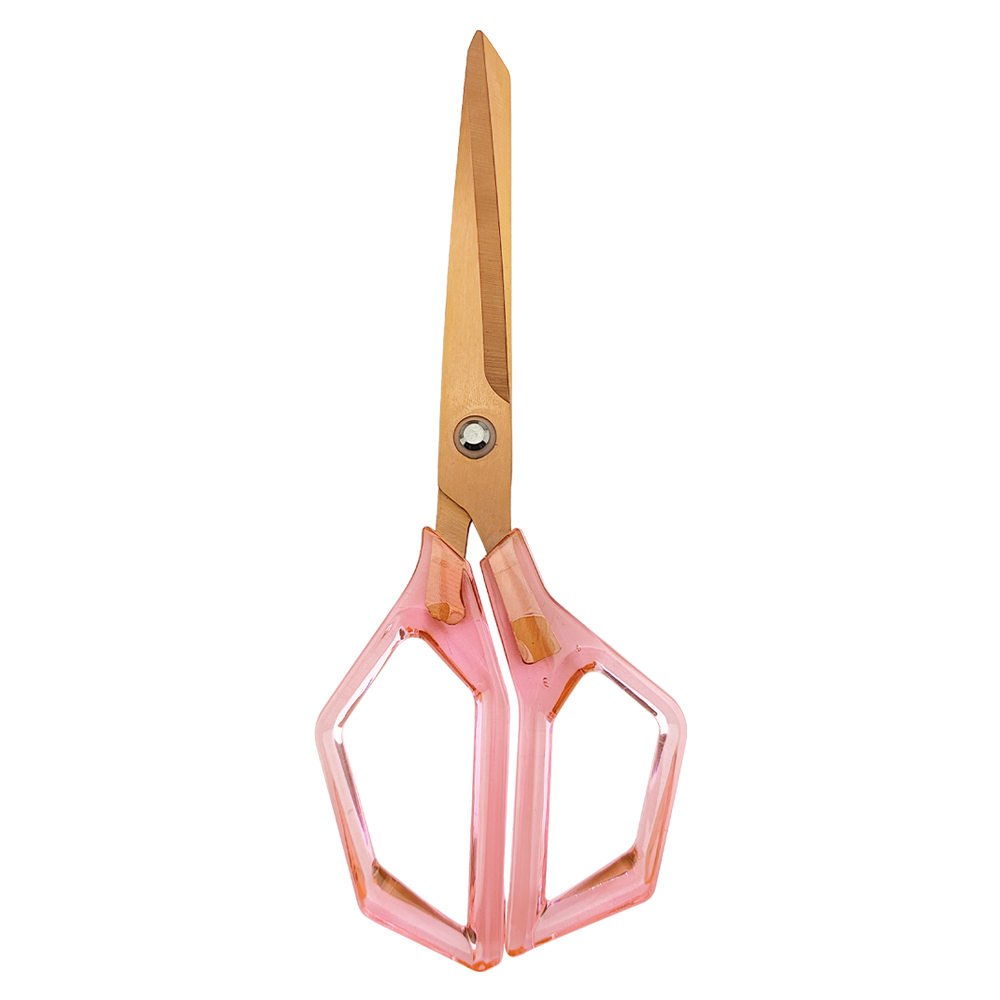
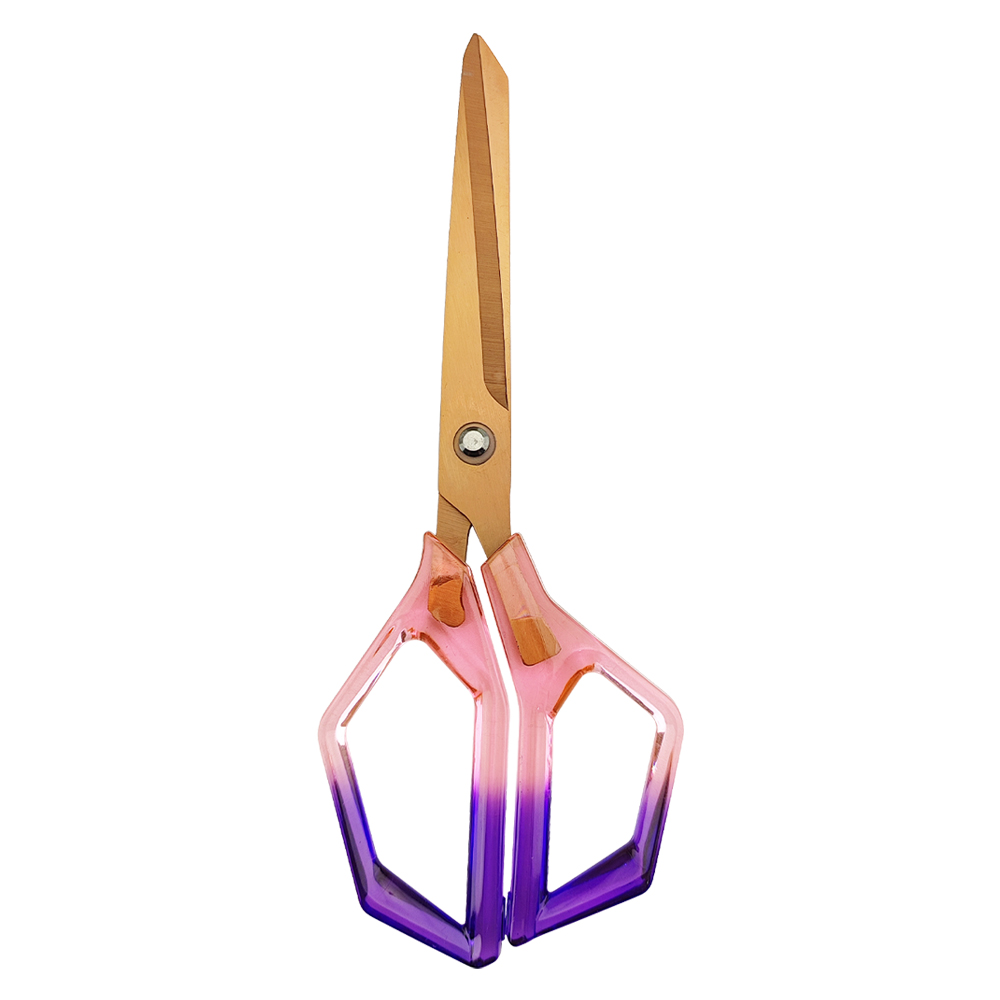
The original product shown here features gold-tone blades, bright yellow lightweight handles, an angular grip shape, and a heavy-duty pivot screw intended to help maintain blade alignment. Those visible and stated details make it a useful example for discussing how to evaluate custom office scissors for wholesale, OEM, or branded supply programs without over-specifying claims that should be confirmed directly with the supplier.
Key Takeaways
- Start with the end user: office staff, schools, craft users, or promotional recipients may need different handle shapes, sizes, and packaging.
- Confirm functional details such as blade sharpness, pivot stability, handle comfort, and cutting performance through samples before bulk production.
- For OEM projects, ask suppliers what can be customized, including color, finish, logo placement, packaging, and labeling.
- Do not rely only on product photos; request specifications, sample approval steps, and quality inspection standards in writing.
- Clarify commercial terms such as MOQ, lead time, payment terms, and shipping method with the supplier before committing.
What Makes Custom Office Scissors Worth Sourcing Carefully?
Office scissors are used for routine tasks such as cutting paper, envelopes, labels, light packaging, and craft materials. Because they are inexpensive compared with many office tools, buyers sometimes treat them as commodity items. That can lead to inconsistent cutting performance, uncomfortable handles, weak pivots, or packaging that does not suit the sales channel.
Custom office scissors are different because they often carry a brand identity. A distributor may want a consistent color range. A promotional buyer may need logo printing. A stationery brand may need retail packaging that presents the product clearly. In each case, the scissors must be practical first. Attractive gold-tone blades or bright handles can help a product stand out, but the buying decision should still be based on usability, repeatability, and supplier reliability.
Product Details to Confirm Before Ordering
The featured scissors are described as having gold-tone blades, bright yellow lightweight handles, an angular handle design, a heavy-duty pivot screw, and smooth cutting action. These are useful product attributes to discuss with a supplier, but business buyers should request confirmation of exact materials, dimensions, finish process, and performance expectations rather than assuming details from images.
Important points to confirm include:
- Blade length, total length, and intended cutting applications.
- Blade material and surface finish, including how the gold-tone appearance is achieved.
- Handle material, grip shape, color matching options, and comfort testing method.
- Pivot screw design, adjustment method, and durability expectations.
- Logo options, such as printing, engraving, stickers, or branded packaging.
- Packaging format for retail, wholesale cartons, promotional kits, or office supply packs.
Comparison Checklist for Wholesale and OEM Buyers
A structured comparison helps purchasing teams evaluate more than unit appearance. Use the checklist below when comparing several scissors suppliers or sample sets.
| Evaluation Area | What to Check | Questions to Ask the Supplier |
|---|---|---|
| Cutting Performance | Clean cuts on paper and typical office materials | What materials are the scissors designed to cut, and can samples be tested before approval? |
| Handle Comfort | Grip size, finger opening, edge smoothness, and left or right hand suitability | Are alternative handle shapes, sizes, or colors available for OEM orders? |
| Pivot Stability | Blade alignment, screw tightness, and smooth opening and closing | How is pivot consistency inspected during production? |
| Customization | Logo placement, blade finish, handle color, and packaging design | Which customization methods are supported, and what are the artwork requirements? |
| Commercial Terms | MOQ, lead time, sample cost, packing method, and shipping options | What terms apply to trial orders, repeat orders, and private label packaging? |
OEM Customization: Where to Focus
For OEM scissors projects, customization should support the product's purpose rather than add decoration that increases cost without value. A bright yellow handle may work well for visibility in an office drawer or craft room. A gold-tone blade may suit a stationery line, gift set, or branded desk accessory range. However, buyers should consider whether the chosen finish and color align with the target market, packaging, and expected price point.
Logo placement also deserves careful review. A logo on the handle may be more visible during use, while branded packaging may be better for retail display or corporate gifting. If a blade mark is desired, ask the supplier what marking methods are suitable for the blade finish and whether the marking affects appearance or durability. Always request pre-production samples or artwork proofs before approving mass production.
Quality Control Questions for Scissors Suppliers
Quality control should be discussed early, especially for wholesale scissors manufacturing. Even a small difference in pivot tension can affect user experience. Handles should feel smooth, not sharp around the finger openings. Blade tips should be consistent and appropriate for the intended use. Packaging should protect the scissors during shipping and storage.
Useful supplier questions include: What incoming material checks are performed? How is blade sharpness evaluated? How is handle color consistency controlled? Are samples taken from each production batch? What inspection standard is used before shipment? Can the buyer arrange a third-party inspection? These questions do not assume any specific certification or test result; they simply help buyers understand the supplier's process.
Packaging and Branding Considerations
Packaging depends on the channel. Office supply wholesalers may prefer simple bulk cartons or barcode-ready individual packs. Retail stationery brands may need hang cards, blister packs, paper sleeves, or gift-style boxes. Corporate buyers may want scissors included in a larger desk set. Each choice affects cost, shipping volume, presentation, and sustainability goals.
Before finalizing packaging, confirm carton quantity, labeling requirements, barcode placement, warning text if applicable, and whether packaging artwork can be supplied by the buyer. If the scissors are sold in multiple markets, ask what labeling details are required for each destination. The supplier should be able to explain what information they can print and what must be provided by the buyer.
How to Build a Safer Sourcing Process
A practical sourcing process reduces misunderstandings. Begin with a written brief that defines the target user, expected use, preferred colors, packaging type, and annual or first-order quantity estimate. Then request samples that match the closest available product. Test the samples internally for comfort, cutting performance, finish appearance, and packaging fit.
After sample approval, confirm a specification sheet that includes dimensions, materials as stated by the supplier, finish, color references, logo position, packaging, carton details, and inspection requirements. Keep approved samples as production references. For new suppliers or larger orders, consider a pre-shipment inspection to compare finished goods against the approved sample.
Practical FAQ
Can custom office scissors be ordered with a brand logo?
Often, yes, but the available logo methods depend on the supplier, handle material, blade finish, and packaging. Ask for artwork guidelines, minimum order requirements, and a sample or digital proof before production.
Are gold-tone blades suitable for everyday office use?
The gold-tone appearance can be attractive for branded or retail products, but buyers should confirm the blade material, finish process, and intended cutting applications with the supplier. Samples should be tested on the materials users are likely to cut.
What should I ask a scissors OEM supplier before ordering?
Ask about customization options, material specifications, sample timing, MOQ, lead time, quality inspection steps, packaging choices, carton details, payment terms, and whether third-party inspection is allowed.
How can I compare wholesale scissors samples?
Use the same cutting materials for each sample, compare handle comfort, check pivot smoothness, inspect finish consistency, and review packaging durability. Record results so purchasing decisions are based on evidence rather than photos.
What details should be included in a purchase specification?
Include product dimensions, blade and handle details as confirmed by the supplier, color references, logo placement, packaging artwork, carton packing, labeling, approved sample references, inspection criteria, and delivery terms.
Custom office scissors can be a strong addition to an office supply, stationery, promotional, or craft product range when buyers treat them as functional tools first. By confirming specifications, testing samples, and asking clear OEM and wholesale questions, businesses can reduce sourcing risk and choose scissors that match both brand goals and everyday user needs.
