




Custom Silicone Ice Trays: Practical Sourcing Guide
Custom silicone ice trays are used by beverage brands, hospitality buyers, gift companies, retailers, and home bar users who want ice in shapes beyond a standard cube. The right tray can improve drink presentation, support branded packaging, and make larger ice forms that melt more slowly than small cubes. However, sourcing a custom tray is not just about choosing a shape. Buyers should review material claims, mold design, packaging, production consistency, and the supplier’s ability to answer technical questions clearly.
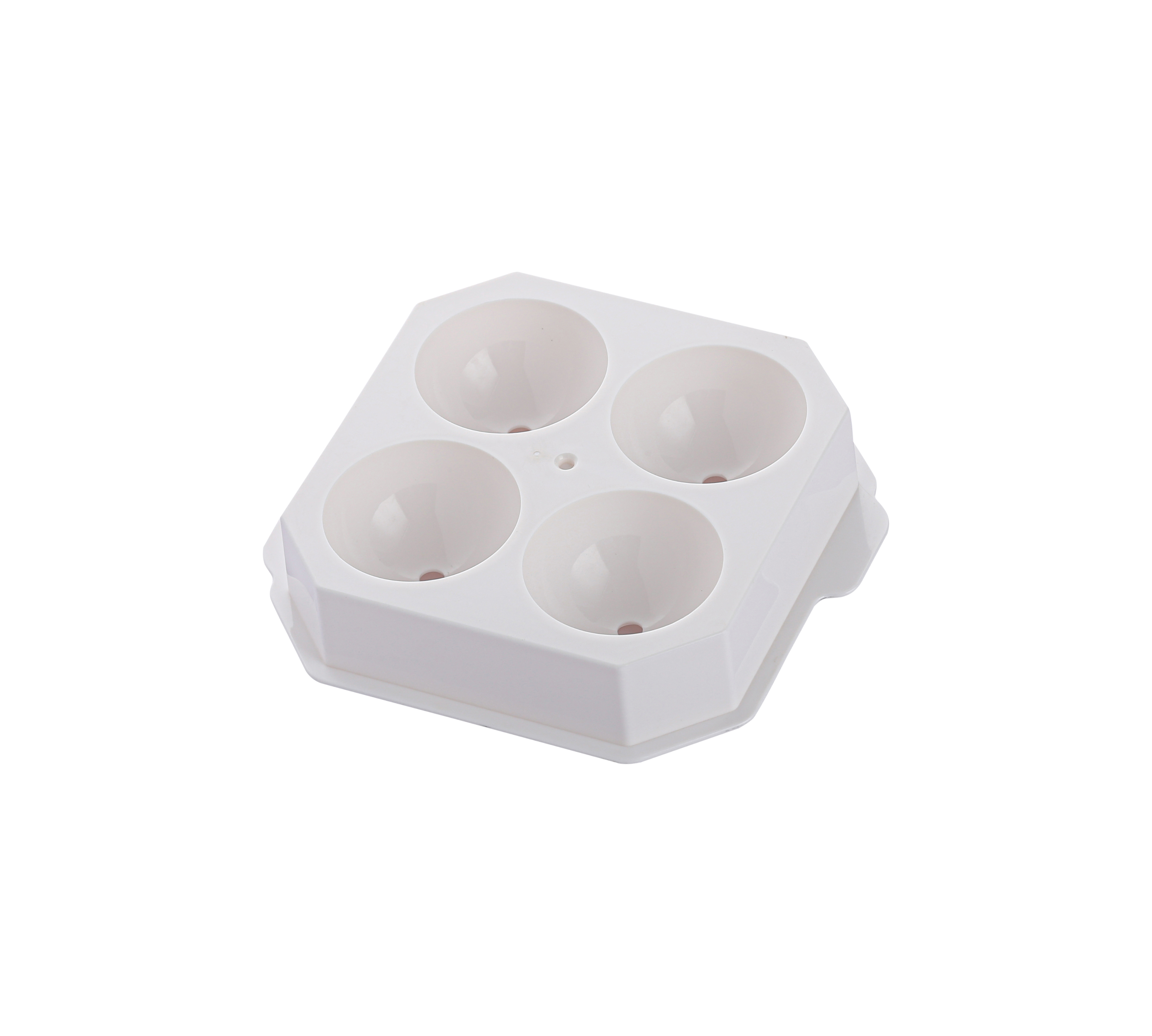
The original article highlights silicone ice trays with flexible demolding, four sections, modern white styling, possible air-circulating holes, handles, and round or spherical ice forms. This rewritten guide keeps those useful points while focusing on what buyers should verify before placing an OEM, wholesale, or private-label order.
Key Takeaways
- Custom silicone ice trays are best evaluated by ice shape, demolding ease, freezing performance, and intended use.
- For B2B sourcing, ask suppliers to confirm material, compliance documents, packaging options, and customization limits.
- Larger ice balls or forms can reduce dilution compared with smaller cubes, but the actual result depends on size, drink type, and serving conditions.
- Do not rely only on product photos; request samples and test them with real freezer and beverage-service conditions.
What Makes a Silicone Ice Tray “Custom”?
A custom silicone ice tray may involve a unique cavity shape, logo detail, color, lid design, tray size, packaging, or a full private-label program. For example, a tray may include four sections for making multiple ice balls at once, or it may use geometric molds such as octagonal outer forms with round interiors. Some designs include handles for easier handling, while others include holes or vents intended to help water settle or freeze more evenly.
Customization should always be discussed in practical terms. A complex shape may look good in a rendering but be harder to demold, clean, or fill without spilling. A very detailed logo may not appear clearly in ice. A larger cavity may make attractive ice for spirits or cocktails, but it can also require more freezer space and a longer freezing time. Before confirming a design, ask the supplier how the design affects tooling, production, packing, and end-user experience.
Common Applications for Custom Silicone Ice Trays
Custom silicone ice trays can serve several markets. Retail kitchenware buyers may want a clean, simple tray for everyday use. Cocktail bars and restaurants may prefer larger ice balls or distinctive shapes for whiskey, mojitos, iced coffee, mocktails, and signature drinks. Beverage and spirits brands may use custom trays as promotional gifts. E-commerce sellers may focus on presentation, packaging, and product photography.
For hospitality and beverage service, the main purchasing criteria are consistency, easy demolding, cleaning convenience, and tray durability. For promotional products, buyers may focus more on logo placement, color matching, gift-box design, and carton packing. For home users, the priorities are usually freezer fit, spill resistance, easy release, and whether the ice fits common glasses.
Supplier Selection Checklist
When working with a silicone ice cube trays supplier or silicone ice tray manufacturer, compare more than the unit appearance. The table below can help buyers organize supplier discussions before sampling or ordering.
| Check Point | Why It Matters | Questions to Ask the Supplier |
|---|---|---|
| Material information | Ice trays contact water and beverages, so buyers need clear material details. | What silicone material is used? Can you provide relevant food-contact documentation for the target market? |
| Tray design | Shape affects filling, freezing, demolding, and glass compatibility. | What are the cavity dimensions? Does the ice fit standard rocks glasses or cocktail glasses? |
| Customization | Logo, color, and packaging options may have limits. | Which parts can be customized? Are there tooling requirements for a new shape? |
| Sample testing | Photos do not show release performance or freezer fit. | Can samples be provided for fill, freeze, demold, and cleaning tests? |
| Packaging | Retail and wholesale channels require different packing. | What packaging formats are available, and can barcodes, labels, or inserts be added? |
| Quality control | Consistent thickness and clean finishing reduce returns. | How do you inspect finished trays, cavity shape, color, odor, and packaging? |
Design Features to Evaluate Before Ordering
Some silicone ice trays include practical details such as handles for moving the mold from sink to freezer, multiple cavities for batch preparation, and flexible walls for easier ice release. A four-section tray, for instance, can make several ice balls at the same time, which is useful for hosting or small beverage service. White or neutral colors may suit modern kitchens, while custom colors can support branding.
Buyers should test each feature instead of assuming it improves performance. Handles should feel stable when the tray is full. Cavities should not be so flexible that water spills during transfer. If a design includes air-circulating holes or vent details, ask the supplier to explain the intended function and test whether it helps in real use. Also check whether lids, if included, seal well enough to reduce freezer odors or stacking problems.
Quality and Compliance Questions for B2B Buyers
For wholesale, OEM, or private-label orders, quality verification is essential. It is not enough for a listing to say “food-grade silicone” unless the supplier can support the claim with appropriate documentation for your sales region. Requirements can vary by market and distribution channel, so the buyer should define the destination market before requesting documents.
- Ask what material is used and whether supporting food-contact documents are available.
- Request a pre-production sample that matches the intended color, cavity shape, and packaging.
- Check for unwanted odor, rough edges, uneven color, or inconsistent wall thickness.
- Test demolding after a full freeze cycle and after repeated use.
- Confirm how the supplier handles approved samples, inspection standards, and packaging checks.
If you are buying for a regulated retail channel, ask your internal compliance team or testing partner what documentation is required. A responsible supplier should be able to answer questions clearly, but the buyer remains responsible for confirming the product meets the rules of the target market.
How to Test Samples in Real Conditions
Sample testing should be simple but consistent. Fill the tray to the recommended level, carry it to the freezer, and note whether the tray bends, spills, or needs a rigid support. Freeze it fully, then demold the ice without using sharp tools. Check whether the ice releases cleanly and whether the shape remains attractive. Place the ice in the intended glassware and observe how it looks with spirits, cocktails, water, or iced coffee.
For larger ice balls, melting is generally slower than with many small cubes because there is less surface area relative to volume. Still, dilution depends on freezer temperature, ice size, beverage temperature, room temperature, and serving time. Buyers should avoid making strong performance claims unless they have their own test data.
Use and Care Guidance for End Users
Even a well-designed silicone ice tray performs better when used correctly. Rinse the tray before first use, fill it on a stable surface, and avoid overfilling if the design has a lid or shaped top. Let the ice freeze completely before demolding. To release ice, flex the silicone gently rather than twisting aggressively. Avoid knives or sharp objects, which can damage the cavities.
After use, wash and dry the tray thoroughly before storage. If the tray has absorbed freezer odors, cleaning with mild dish soap and airing it out may help. Retailers can reduce customer complaints by including simple instructions on filling, freezing, demolding, and cleaning in the product insert or online listing.
FAQ
Are custom silicone ice trays suitable for wholesale programs?
Yes, they can be suitable for wholesale, retail, promotional, and private-label programs. Buyers should confirm customization options, packaging, documentation, and sample approval steps with the supplier before ordering.
Can a silicone ice tray make clear ice?
A tray shape alone does not guarantee clear ice. Water quality, freezing direction, freezer temperature, and technique all affect clarity. If clear ice is a selling point, request evidence or test samples before making claims.
What should I ask a silicone ice tray manufacturer first?
Start with material information, available food-contact documentation, cavity dimensions, customization options, sample availability, packaging formats, and quality-control procedures.
Do larger ice balls melt slower than regular cubes?
Larger ice forms often dilute drinks more slowly than many small cubes, but actual performance depends on size, drink temperature, freezer conditions, and serving time.
Is a four-cavity tray practical for home bars?
A four-cavity tray can be practical because it prepares several ice balls in one freeze cycle. Buyers should still check freezer fit, filling stability, and whether the finished ice fits the intended glassware.
Final Sourcing Advice
Custom silicone ice trays can be a useful product for beverage presentation, branded gifts, and retail kitchenware assortments. The best sourcing approach is to define the use case first, then evaluate the tray design, material documentation, sample performance, and packaging requirements. A reliable supplier should help clarify what can be customized and what needs testing. By asking the right questions early, buyers can avoid attractive but impractical designs and choose ice trays that work well in real kitchens, bars, and retail channels.
