




Custom Silicone Ice Trays: Practical Sourcing Guide for Beverage Brands
Custom silicone ice trays can be a useful product for beverage brands, barware retailers, hospitality suppliers, gift companies, and private-label kitchenware lines. Compared with basic rigid molds, silicone trays are valued for flexible release, design versatility, and the ability to create ice in shapes that support a brand or drink presentation. For buyers, however, the important question is not only whether a tray looks good. It is whether the design, material, packaging, supplier communication, and quality controls fit the intended sales channel.
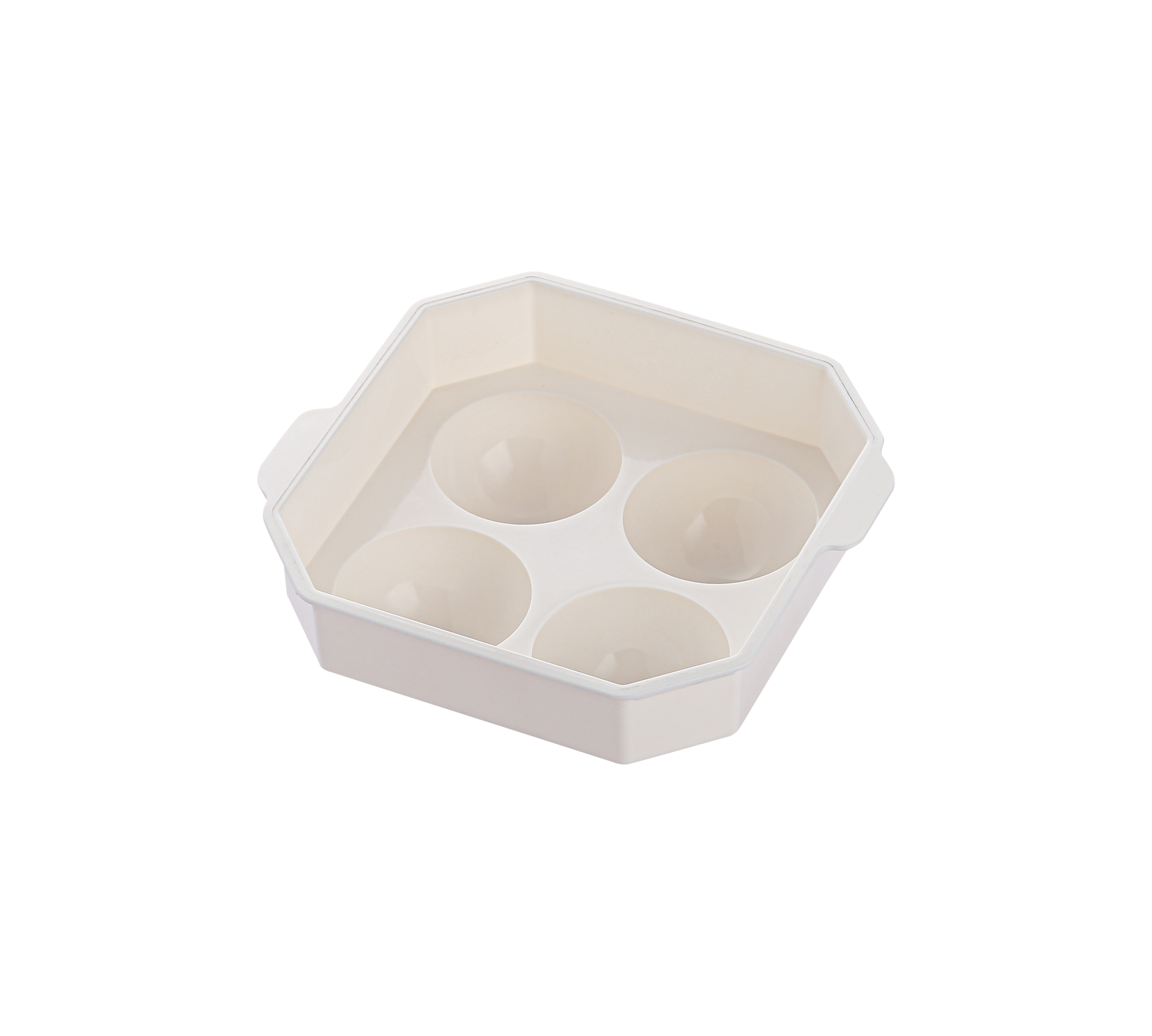
The original product concept highlights custom silicone ice trays made from durable, food-grade silicone, with flexible removal and personalized shapes and sizes. It also mentions a hexagonal ice ball mold with four round compartments, a clean white finish, BPA-free silicone, compact freezer-friendly design, and ice spheres that melt slower than standard cubes. These details are useful starting points, but professional sourcing should go further. A buyer should confirm every specification, test samples, and ask a manufacturer what customization options are actually available before placing an order.
Why Custom Silicone Ice Trays Are Popular
Ice has become part of the beverage experience. Large spheres, oversized cubes, logo-inspired shapes, and infused ice can make whiskey, cocktails, iced coffee, sparkling water, and mocktails feel more intentional. Silicone is especially suitable for shaped ice because it bends, helping users remove the frozen piece without the cracking that can happen with more rigid molds.
For B2B buyers, custom silicone ice trays can serve several markets:
- Barware and cocktail accessory collections
- Kitchenware retail and online marketplaces
- Hotel, restaurant, and catering supplies
- Corporate gift sets and beverage promotion kits
- Private-label home goods ranges
The strongest product concept usually connects shape, usability, and packaging. A decorative mold that is difficult to fill, hard to stack, or messy to remove may not perform well with customers even if the first impression is attractive.
Design Options to Evaluate Before Ordering
Custom design can include the overall tray shape, cavity shape, number of compartments, surface finish, color, and packaging presentation. The original article describes a hexagonal ice ball mold with four round compartments. This type of design can be practical because round ice is often preferred for spirits and slow-sipping drinks, while a four-cavity format may remain compact enough for many freezer drawers.
When reviewing a design, consider how the consumer will use it step by step. Can the tray be filled without spilling? Is there a lid, and if so, does it seal or simply cover? Will the frozen ice release cleanly? Does the shape fit common glassware? Will the tray stack neatly in a freezer? These questions matter because many product complaints come from small usability problems rather than the general material choice.
Material and Safety Questions for a Supplier
The source article states that the trays are made from durable, food-grade silicone and refers to BPA-free silicone. Buyers should still verify these claims for the exact product version they plan to purchase. Do not assume that a sample, catalog image, or similar mold automatically represents the final bulk order.
Ask a silicone ice tray manufacturer or supplier the following questions:
- What silicone material is used for this exact model?
- Can the supplier provide documentation supporting food-contact suitability for the target market?
- Is the product BPA-free, and how is that verified?
- Are colorants or additives used, and are they appropriate for food-contact use?
- What temperature range does the supplier recommend for normal use?
- How should the tray be cleaned, dried, and stored?
These questions help prevent misunderstandings. They also give the buyer a clearer basis for comparing suppliers beyond photos and unit pricing.
Comparison Checklist for Custom Silicone Ice Tray Sourcing
A structured comparison table makes supplier review more consistent. Use the checklist below when comparing samples or quotations from multiple silicone ice cube trays suppliers.
| Review Area | What to Check | Questions to Ask the Supplier |
|---|---|---|
| Design | Cavity shape, tray size, number of compartments, freezer fit | Can the shape, color, or cavity layout be customized? |
| Ice Release | Flexibility, ease of demolding, shape integrity after freezing | Can you provide samples for freeze-and-release testing? |
| Material | Food-contact suitability, BPA-free claim, odor, feel | What documentation supports the material claims? |
| Packaging | Retail box, insert card, barcode space, care instructions | What packaging options are available for private label? |
| Quality Control | Appearance, dimensions, color consistency, defects | What inspection steps are used before shipment? |
| Commercial Terms | MOQ, lead time, payment terms, sample cost | What are the order requirements for this exact design? |
Custom Branding and Packaging Considerations
Branding can be handled in several ways, including product color, retail packaging, instruction inserts, gift-set assembly, or logo-related mold design. The right approach depends on the sales channel. A hospitality buyer may care more about durability and fast cleaning, while a gift brand may focus on shelf presentation and unboxing. An e-commerce seller should also consider photography, product dimensions, and clear care instructions to reduce returns.
If the ice shape includes a brand logo or detailed pattern, request a prototype or sample before confirming the mold. Very fine details may not appear clearly after freezing, especially if the water quality, freezing speed, or user handling varies. For many customers, a simple large sphere, cube, or geometric form performs better than an overly complex shape.
How to Test Samples Before Bulk Purchase
Sample testing is essential. A tray may look acceptable in a catalog but behave differently in real freezer conditions. Buyers should test several cycles before approval. Fill the tray, move it into the freezer, remove the ice, wash the tray, and repeat. During this process, check whether the tray keeps its shape, whether ice removal is easy, and whether any odor is noticeable after washing and freezing.
Also test the ice in the intended glassware. The original article notes that ice spheres melt slower than standard cubes, which is a common reason buyers choose ball molds for whiskey and cocktails. In practice, melting performance depends on ice size, drink temperature, room temperature, and glass type, so it is wise to compare the proposed product with your current option under similar conditions.
Key Takeaways
- Custom silicone ice trays are useful for barware, hospitality, gift, and private-label kitchenware programs.
- Flexible silicone can support easy ice release and a wide range of shapes, including round ice ball designs.
- Buyers should verify food-contact and BPA-free claims for the exact product being ordered.
- Supplier comparison should include design, sample testing, packaging, quality checks, and commercial terms.
- A practical, easy-to-use mold is usually more valuable than a complicated shape that performs poorly in daily use.
FAQ: Custom Silicone Ice Tray Sourcing
What should I ask a silicone ice tray manufacturer first?
Start with material, customization options, sample availability, packaging choices, MOQ, lead time, and documentation for food-contact suitability. Ask these questions for the exact design you want, not only for the supplier’s general product range.
Are custom silicone ice trays only for cocktails?
No. They can be used for iced coffee, sparkling water, juice, mocktails, infused water, and entertaining. B2B buyers may position them for home bars, gift sets, hospitality service, or general kitchen use.
Is a four-cavity ice ball mold a practical format?
A four-cavity round ice mold can be practical because it creates several ice spheres while keeping the tray relatively compact. Buyers should still test freezer fit, filling convenience, and release performance.
Can I rely on supplier photos when choosing a tray?
Photos are helpful but not enough. Request physical samples, test repeated freezing and washing, confirm packaging details, and review any required documentation before approving a bulk order.
What details should appear in retail packaging or instructions?
Useful instructions may include washing before first use, filling guidance, freezer placement tips, ice removal guidance, and care recommendations. Confirm the final wording with the supplier and adapt it for your target market.
